Saturday, October 10, 2026 SourcesAbout🌓
🇺🇸 US ▾
BREAKING
› The 7 best high-yield savings accounts of April 2023› Taxes are due tomorrow. Here's how to file for an extension› Composting is an easy way to reduce food waste. Here's how to do it› We stopped using aluminum foil for cooking and you should too. Here's what to use instead› The beloved Dyson Supersonic hair dryer is at its lowest price ever› Everything you need to know about Way Day 2023, Wayfair's biggest sale of the year› The 10 best Amazon deals to shop this week› The 2024 presidential alternative many voters will want› Dominion still has pending lawsuits against election deniers such as Rudy Giuliani and Sidney Powell› Russia is 'going backwards' in equipment and deploying post WWII-era tanks, according to Western officials› The 7 best high-yield savings accounts of April 2023› Taxes are due tomorrow. Here's how to file for an extension› Composting is an easy way to reduce food waste. Here's how to do it› We stopped using aluminum foil for cooking and you should too. Here's what to use instead› The beloved Dyson Supersonic hair dryer is at its lowest price ever› Everything you need to know about Way Day 2023, Wayfair's biggest sale of the year› The 10 best Amazon deals to shop this week› The 2024 presidential alternative many voters will want› Dominion still has pending lawsuits against election deniers such as Rudy Giuliani and Sidney Powell› Russia is 'going backwards' in equipment and deploying post WWII-era tanks, according to Western officials
U.S. News

The Guardian view on the Houthi advance in Yemen: another vital Middle East artery becomes a battlefield | Editorial
The Guardian US ·
The Guardian view on the Houthi advance in Yemen: another vital Middle East artery becomes a battlefield | Editorial

The extraordinary success of the rebels, and Saudi counterstrikes, threaten economic havoc.

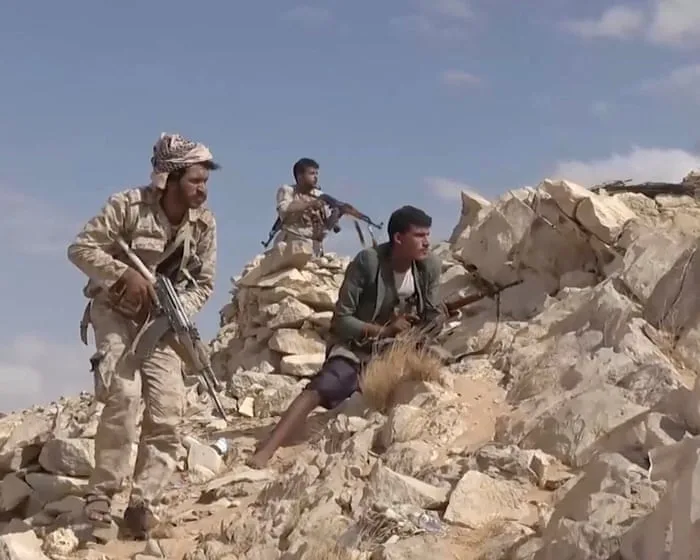
But the country’s civilians are paying the highest price Even in a region beset by turmoil and learning to expect the unexpected, the lightning advance of Yemen’s Houthis along the Red Sea coast has shocked observers.

More than 100,000 people have been forced to flee in a country where immiseration and displacement have become routine and half the population depend on humanitarian aid.

But outsiders are paying close attention, because by claiming thousands of kilometres in a matter of days, and seizing strategically important islands, the Iran-backed rebels now control the Bab al-Mandab strait – the other major regional energy chokepoint after the Hormuz strait.

The Iran war has forced Saudi Arabia to rely on moving oil via its east-west pipeline to Red Sea ports.

Now drone strikes – blamed on an Iran-backed militia in Iraq – have shut the pipeline: on one estimate , a month-long closure could cut global crude supply by 120m barrels.

The halt to shipping through the Bab al-Mandab strait could be much more protracted.

Taking the oil north is a far slower and more expensive route to Asian markets, and does not preclude attacks by the Houthis, who are also targeting oil facilities.

Continue reading...

Read the full article on The Guardian US ›

5News aggregated this summary from the outlet’s public feed. The full article, with all the context, is on www.theguardian.com — the content belongs to The Guardian US.


More from The Guardian US

See all ›

More in U.S. News

See all ›