Kevin Warsh just revealed a huge change for the Fed. The press missed it
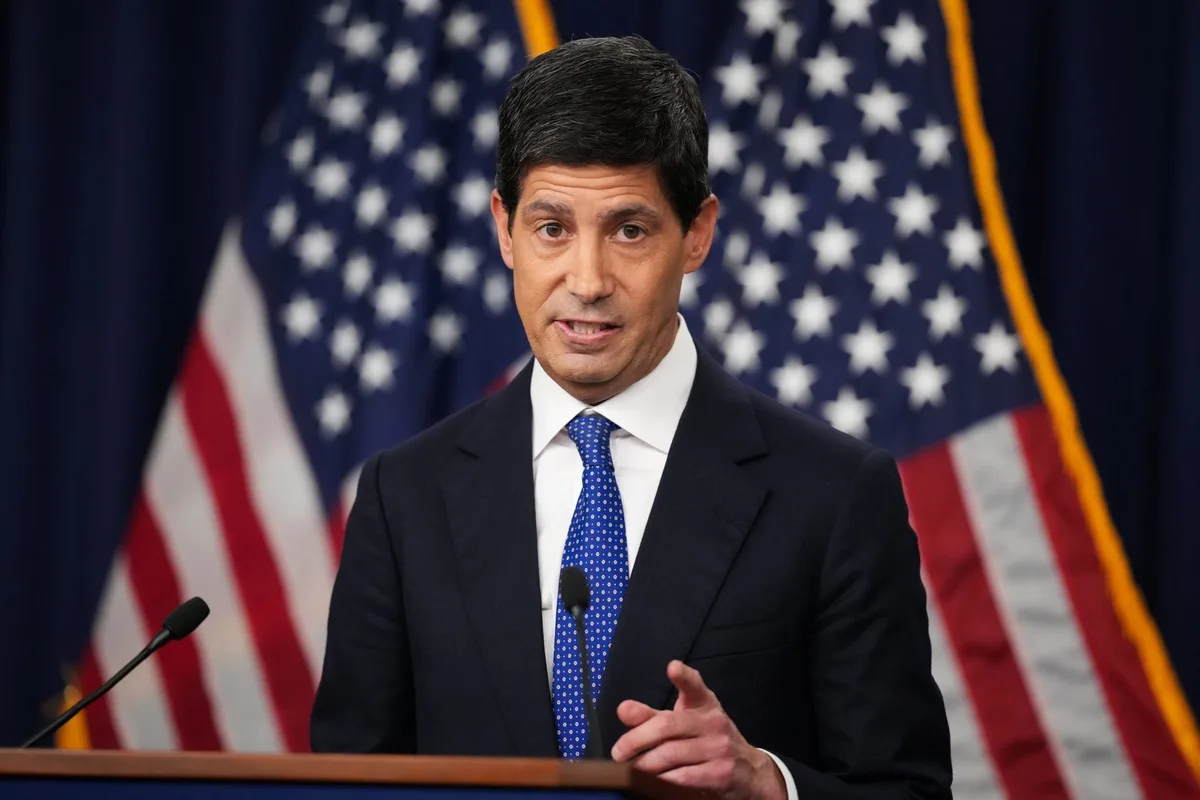
Federal Reserve Chair Kevin Warsh has revealed himself.
If not a card-carrying monetarist, he is at least a camp follower.
This represents a dramatic change at the Fed, where the past Chairman Jerome Powell repeatedly rejected the basic tenets of monetarism.
This is a welcomed earthquake.
After all, there are almost no monetarists left in the world (except for us, and we’ve been fighting a lonely rearguard action for over 40 years).
The Federal Reserve has rejected monetarism consistently — and on the record — because it preferred other models for understanding the economy.
In academia, monetarism has been out of fashion for decades.
But by his own words, a monetarist is now leading the central bank.
Just what is monetarism? It’s a doctrine which holds that money has a major influence on both the level of asset prices, economic activity, and the price level.
Any discussion of national income determination must, therefore, center on the quantity of money and the banking system, since banks produce most of the money in modern economies.
When it comes to monetary policy, its objectives are best met by targeting the rate of growth of the money supply.
Today, most economists pooh-pooh monetarism.
Money and banking are nowhere to be found in their macroeconomic models, or their discourses about the course of asset prices, economic activity, and prices.
Indeed, their forecasting exercises are typically based on elaborations of Keynesian income-expenditure models that exclude money and banking.
5News aggregated this summary from the outlet’s public feed. The full article, with all the context, is on fortune.com — the content belongs to Fortune.