The Rise of the IRL Influencer
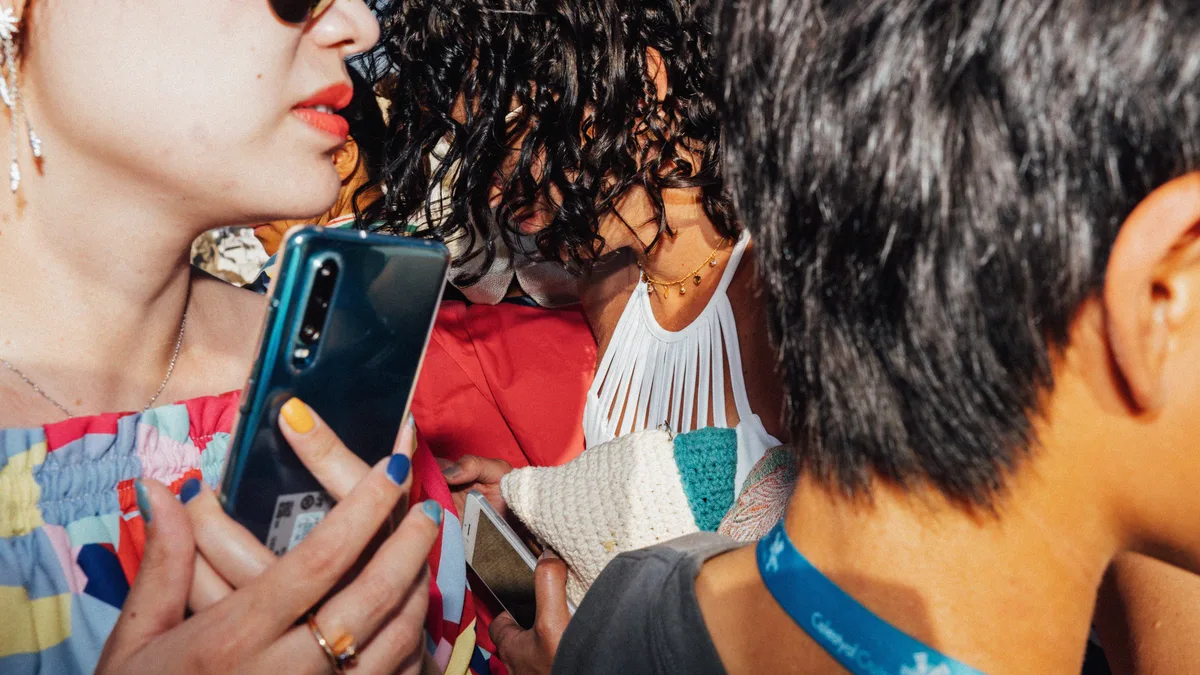
At Café Soul, a semi-regular party in New York City, $30 buys you a chance to belt R&B hits, sip margaritas from commemorative glasses, try out Awkward Games’ icebreaker cards, and—as the ticket page promises—form “genuine connections.” When I arrived 45 minutes after the rooftop party started on a recent Saturday afternoon, the few 20- and 30-something guests were mostly sitting on mid-century modern couches, looking at their phones.
But Tionne Barmer, who dreamed up the event, promised me that, in two hours, the rooftop would be packed: People would be enjoying the Patrón-sponsored bar, trying the brown-sugar cold brew (underwritten by On the Way Coffee), using Awkward Games cards to skip small talk, and maybe even flirting. (The event was also sponsored by Tinder.) They’d have a chance to make genuine connections, which is what Barmer was really selling.
“People will pay for the entertainment,” he said, “and, on the side, they get community.” Barmer has always had a talent for bringing people together, and now he’s making a living out of it.
Some people call this job “event curator”; others have started using the term community builder .
People like Barmer are, in essence, professional scene-makers.
They were student-body presidents, sorority leaders, slumber-party queens, that one guy in the friend group who threw the best parties—and now they organize knitting circles , silent reading parties , adult summer camps , run clubs , and life-story sharing sessions to help young adults find one another.
They sell their guests the opportunity for friendship, and they sell brands access to the groups they’ve gathered, not on Instagram or TikTok, but in real life.
If Barmer and others like him can make this a full-time profession (he quit his finance job only when his side gig as a community builder could match that income), it’s in part because Americans are in desperate need of shindigs.
As The Atlantic has reported , in the past three decades, pretty much every measure of socializing—hosting dinner parties, going on picnics, volunteering—has dropped by double digits; in 2023, only 4.1 percent of us managed to make it to a social event or host one on an average weekend or holiday.
“Everyone wants to attend parties, but no one wants to throw them,” Ellen Cushing wrote in this magazine last year.
Planning a party is, after all, a lot of work.
Umama Kibria, a co-founder of Play Social Club, grew up helping her father host picnics for their Desi community.
He’d cater meals and create elaborate The Price Is Right –esque games.
Although he sold tickets to cover the cost of the food, he’d spend his own money on the decor, activities, and prizes.
5News aggregated this summary from the outlet’s public feed. The full article, with all the context, is on www.theatlantic.com — the content belongs to The Atlantic.