Scientists Say a Key Trigger for Alzheimer’s Damage Isn’t Even in the Brain
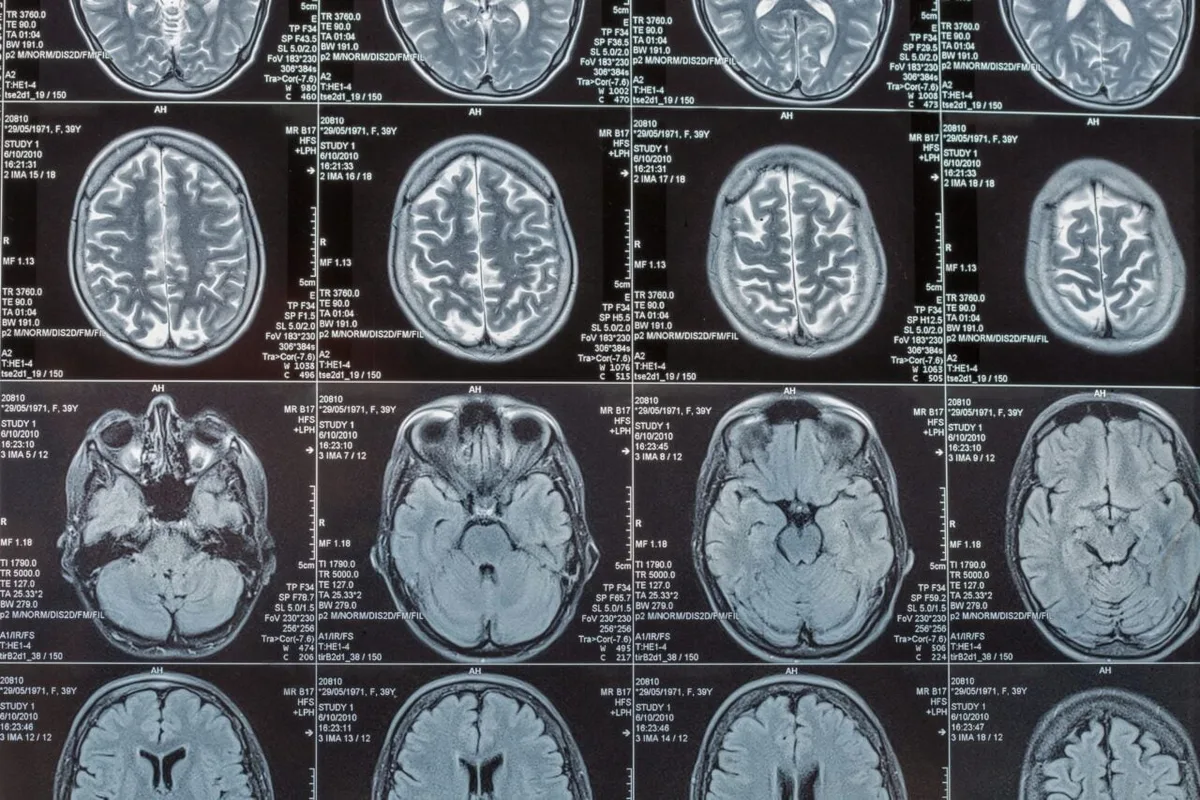
Despite being the most common form of dementia, there is still so much scientists don’t understand about Alzheimer’s disease. Research out today might provide a vital clue to unraveling its origins.
Researchers at the Washington University School of Medicine studied mice modeled to have Alzheimer’s-like illness. They found evidence that certain immune cells linked to Alzheimer’s are actually goaded on by other cells outside the brain. The discovery could very well help us find more effective treatments that can short-circuit this process, the researchers say.
“This means that we not only have to look at Alzheimer’s in the brain, we have to look outside as well; that we should be looking at this more systemically,” lead author Hao Hu, a postdoctoral fellow at WashU, told Gizmodo. “This is a disease that affects the brain, but the whole body is actually getting involved.”
The brains of people with Alzheimer’s become cluttered with the misfolded forms of two proteins, amyloid beta and tau. Many researchers have long argued that amyloid beta in particular drives the brain’s destruction. But this hypothesis has looked much shakier lately, or at least more complicated than hoped. The newest anti-amyloid treatments today have only shown modest benefits at best in slowing down the progression of Alzheimer’s, for instance.
The WashU team’s earlier work has pointed to another possible key driver of Alzheimer’s symptoms: the accumulation of certain immune cells known as T cells in the brain. While the build-up of amyloid and tau could still be a crucial early aspect of Alzheimer’s, high levels of T cells, likely in conjunction with another type of immune cell called microglia, in the brain might be instigating the actual damage, they argue. In a previous mouse study , the same researchers eliminated or blocked the activity of these T cells, which seemed to reduce further inflammation and neurodegeneration.
T cells are often activated by another kind of immune cell called dendritic cells, and the researchers were especially interested in a type called the classic or conventional dendritic cell. There are relatively few of these dendritic cells in the brain, however, and those that are there didn’t seem to be responsible for the T cell-related damage seen in the Alzheimer’s brain, the team’s past research had suggested. So they decided to look for the potential source somewhere else.
In this new study with mice, the researchers genetically knocked out the presence of dendritic cells from lymph nodes outside the brain as well as other locations. When they did, it seemingly prevented the build-up of high T cell levels in the brain. What’s more, it also appeared to reduce the mice’s expected brain damage while their cognition remained normal. Notably, these improvements were still seen despite levels of abnormal tau not decreasing in the mice’s brains. The team’s findings were published Thursday in the journal Nature Neuroscience.
These findings are only in mice, so it will take further research to conclusively show that dendritic and T cells are relevant drivers of Alzheimer’s in humans.
5News aggregated this summary from the outlet’s public feed. The full article, with all the context, is on gizmodo.com — the content belongs to Gizmodo.