Wednesday, October 14, 2026 SourcesAbout🌓
🇺🇸 US ▾
BREAKING
› Dominion still has pending lawsuits against election deniers such as Rudy Giuliani and Sidney Powell› Russia is 'going backwards' in equipment and deploying post WWII-era tanks, according to Western officials› Podcast: One country musician is calling for other artists to oppose assault rifles› Bidets save you money and reduce waste — we tested the best options out there› 50+ products to make your life easier and our planet cleaner› Mother's Day is around the corner. Here are 50+ thoughtful gifts she'll love› A head-to-toe guide of how men should dress this spring, and where they should shop› 42 of the most useful travel products you can buy on Amazon› The 7 best high-yield savings accounts of April 2023› Taxes are due tomorrow. Here's how to file for an extension› Dominion still has pending lawsuits against election deniers such as Rudy Giuliani and Sidney Powell› Russia is 'going backwards' in equipment and deploying post WWII-era tanks, according to Western officials› Podcast: One country musician is calling for other artists to oppose assault rifles› Bidets save you money and reduce waste — we tested the best options out there› 50+ products to make your life easier and our planet cleaner› Mother's Day is around the corner. Here are 50+ thoughtful gifts she'll love› A head-to-toe guide of how men should dress this spring, and where they should shop› 42 of the most useful travel products you can buy on Amazon› The 7 best high-yield savings accounts of April 2023› Taxes are due tomorrow. Here's how to file for an extension
Technology

Anthropic warns small AI models could self-replicate through IoT devices
Ars Technica ·
Anthropic warns small AI models could self-replicate through IoT devices

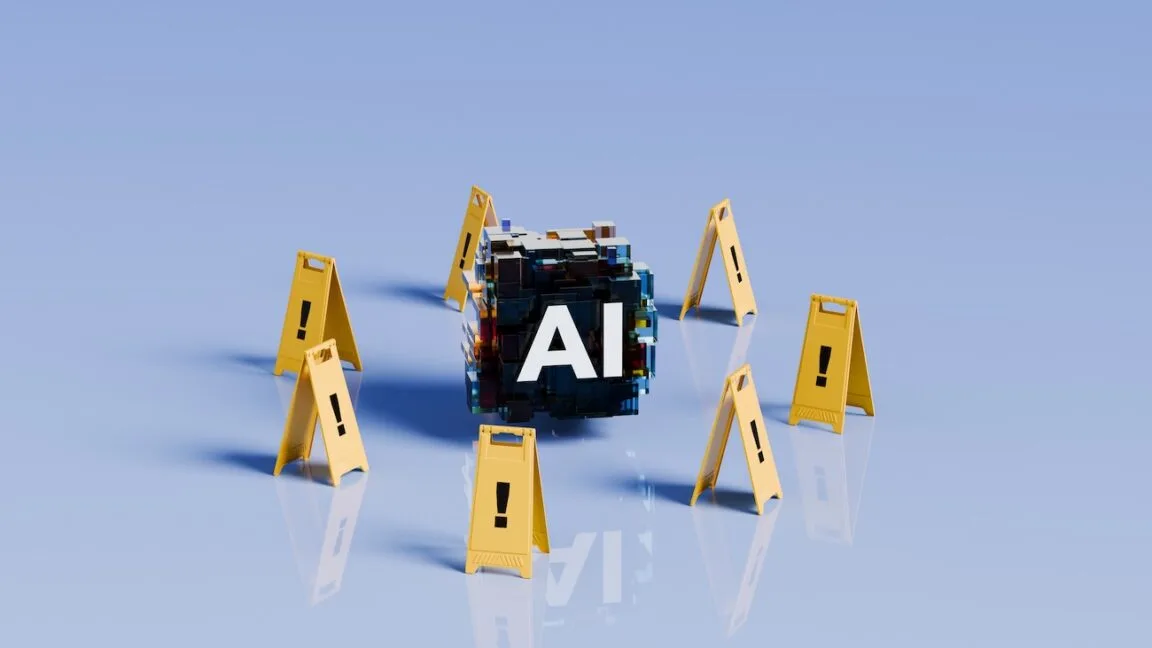
AI company Anthropic is warning that advances in small AI models could soon usher in a new era of self-replicating malware that’s capable of infecting smart fridges, vacuum cleaners, and a wide range of other Internet-of-things devices and is more resistant to takedown.

By next year, smaller AI models may be able to autonomously self-replicate on all kinds of IoT devices, the company said.

Eventually, the capability could enable computer worms, which propagate without requiring human interaction and are capable of infecting unfamiliar IoT devices.

An experiment the company performed recently revealed significant challenges in bringing such an AI malware replicator to fruition, so the finding is necessarily tempered.

Still, the results do raise concerns about the possibility of new forms of computer worms.

Challenging to shut down Anthropic further warned not only about the new potential malware, but also that it could be difficult to stop.

In its blog post, it wrote that “a replicator like this would be challenging to shut down, since there’s no centralized point to shut off—though it may be slow (with a doubling time of days).

Unlike non-AI malware, it could also figure out unfamiliar devices on its own.” Read full article Comments

Read the full article on Ars Technica ›

5News aggregated this summary from the outlet’s public feed. The full article, with all the context, is on arstechnica.com — the content belongs to Ars Technica.


More from Ars Technica

See all ›

More in Technology

See all ›