Is Your Weather App Awful? It Might Be Your Fault.
Sign up for the Slatest to get the most insightful analysis, criticism, and advice out there, delivered to your inbox daily.
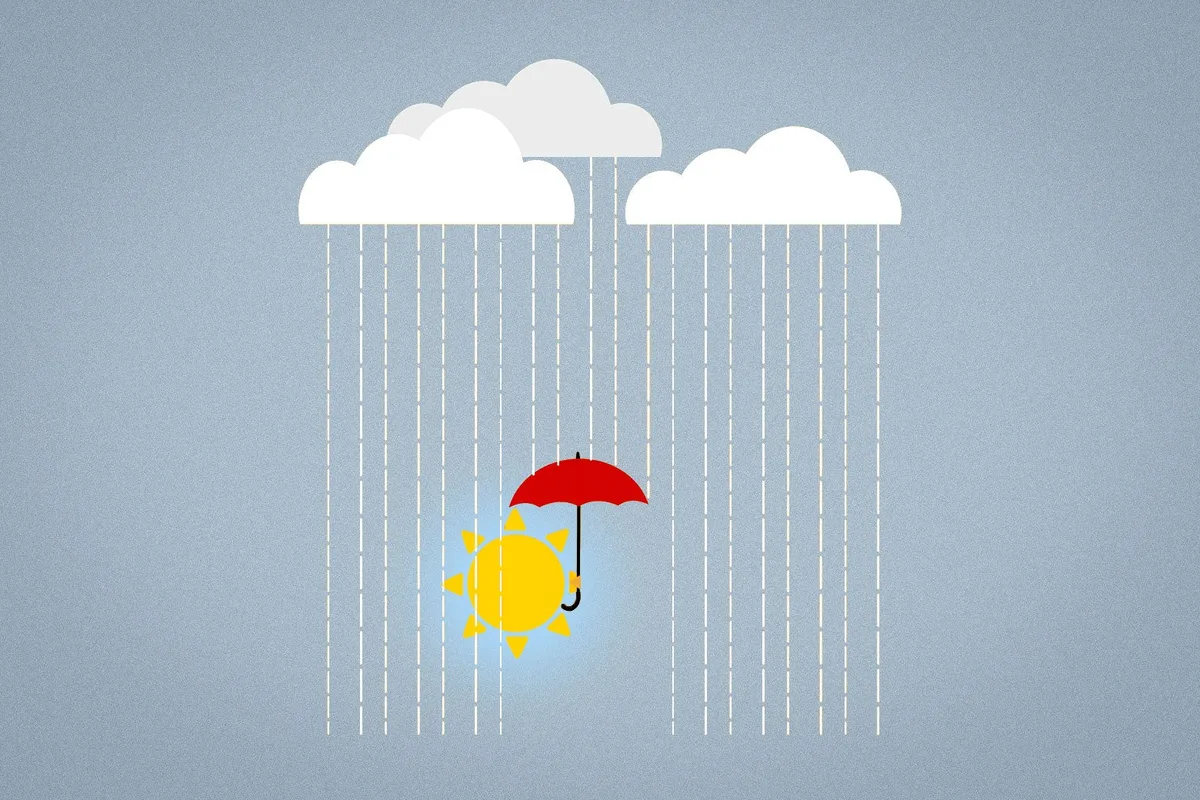
A few weeks ago, I biked to meet a source for coffee, since my Android phone’s AccuWeather widget had seemingly projected a low, low chance of precipitation in the area. You can guess what happened then. The clouds decided to cluster above and surprise me midtrip, releasing the rain down hard as I finished the journey, weaving as strategically as possible to avoid getting splashed by the cars next to me. I showed up to the appointment late, soaked, and embarrassed.
As it turns out, I’m hardly the only person to have felt hoodwinked, bamboozled, and/or flat-out deceived by my smartphone’s forecasts in 2026. Throughout this year, the entire country seems to have been afflicted with the weather-app blues. Over in San Francisco, which faced down a severe heat wave in March, Google Weather users were left flummoxed by the charts of low-70s temps , way milder than the 90-degree record felt by downtown residents. Not long after, Philadelphians underwent a round of spring-showers confusion on April 22, when the Weather Channel told them that the storms would quiet down at 7:15 a.m. … even though it hadn’t rained at all that morning.
“I honestly think weather apps have gotten worse in the new AI world we live in,” a North Carolina meteorologist wrote on Facebook in December, noting that Apple’s weather app got the forecast that day “completely wrong.” Their conclusion: “Human-made forecasting is still the best way to go, and even that is still wrong.”
Such incidents have left many Americans mistrustful of weather apps as a whole, and desperate for viable alternatives. The stakes go far beyond daily routines or vacation itineraries; small businesses lose out on potential foot traffic and revenue whenever a thunderstorm icon appears, even if it’s bright and sunny outside. Yet it’s difficult to know where to turn. Social media platforms and message boards are crawling with asks for reliable weather app recommendations, and the answers can vary wildly. Vincenza Berardo, a philosophy instructor based in Massachusetts, told me she has four alternate weather apps on her iPhone— EverythingWeather , MyRadar , WTForecast , and Weather Underground —but finds them all equally likely to forecast rain on days when it doesn’t, and vice versa.
Complaints over smartphone weather apps are nothing new; my colleague Lizzie O’Leary has been on this beat for years. But they feel especially discombobulating and urgent at a time when the United States’ world-class weather-monitoring infrastructure has been decimated , private actors are attempting to fill the monitoring gaps, and the changing climate makes freak events like this summer’s heat domes, floods, and wildfires harder to prepare for.
Maybe, however, it isn’t all on the apps themselves.
5News aggregated this summary from the outlet’s public feed. The full article, with all the context, is on slate.com — the content belongs to Slate.