Sunday, October 11, 2026 SourcesAbout🌓
🇺🇸 US ▾
BREAKING
› Dominion still has pending lawsuits against election deniers such as Rudy Giuliani and Sidney Powell› Russia is 'going backwards' in equipment and deploying post WWII-era tanks, according to Western officials› Podcast: One country musician is calling for other artists to oppose assault rifles› Bidets save you money and reduce waste — we tested the best options out there› 50+ products to make your life easier and our planet cleaner› Mother's Day is around the corner. Here are 50+ thoughtful gifts she'll love› A head-to-toe guide of how men should dress this spring, and where they should shop› 42 of the most useful travel products you can buy on Amazon› The 7 best high-yield savings accounts of April 2023› Taxes are due tomorrow. Here's how to file for an extension› Dominion still has pending lawsuits against election deniers such as Rudy Giuliani and Sidney Powell› Russia is 'going backwards' in equipment and deploying post WWII-era tanks, according to Western officials› Podcast: One country musician is calling for other artists to oppose assault rifles› Bidets save you money and reduce waste — we tested the best options out there› 50+ products to make your life easier and our planet cleaner› Mother's Day is around the corner. Here are 50+ thoughtful gifts she'll love› A head-to-toe guide of how men should dress this spring, and where they should shop› 42 of the most useful travel products you can buy on Amazon› The 7 best high-yield savings accounts of April 2023› Taxes are due tomorrow. Here's how to file for an extension
Technology

A giant new moon crater is nothing next to its 4-mile bruise
Mashable ·
A giant new moon crater is nothing next to its 4-mile bruise

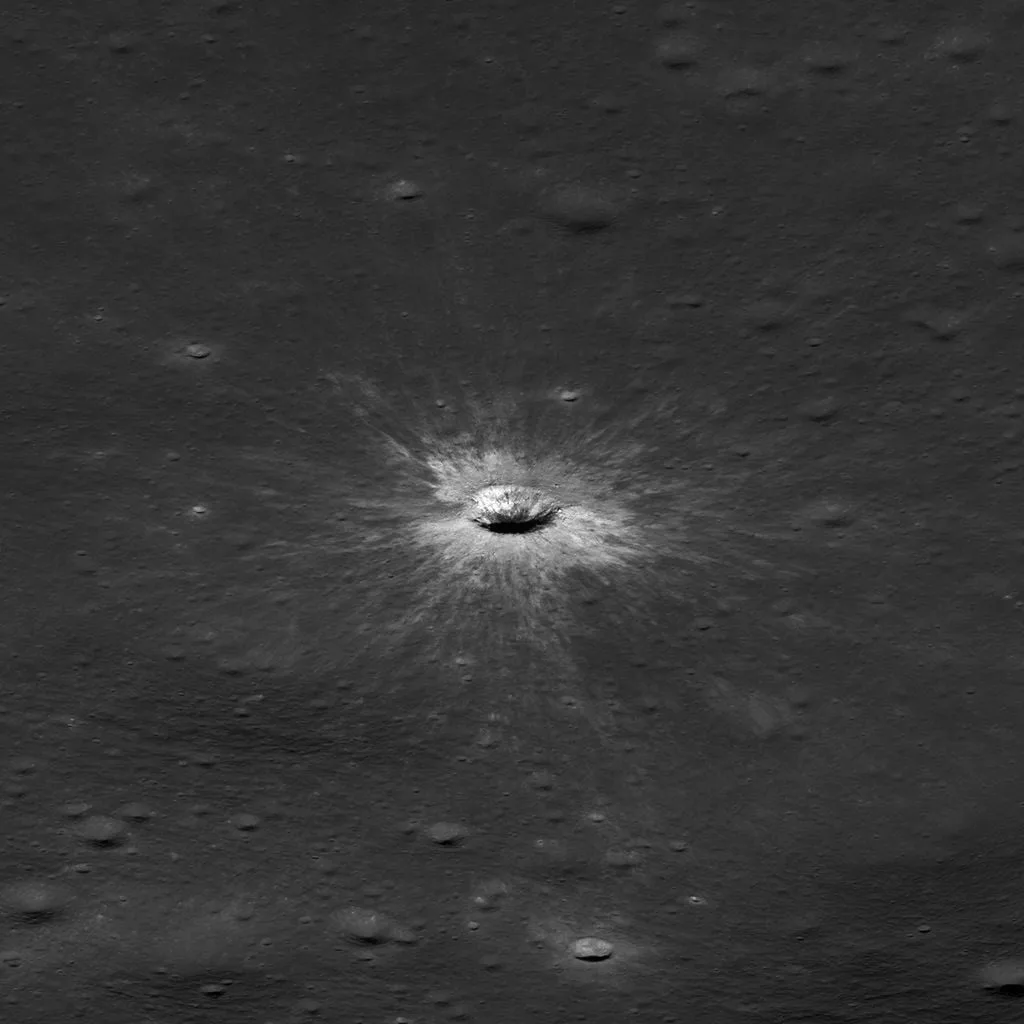
A chunk of asteroid or comet whizzing through space slammed into the moon and left a 728-foot-wide pit, the largest known fresh crater in the solar system.

Nobody saw it happen.

No alarm sounded.

No telescope caught the flash.

The rock hit the moon's eastern edge at roughly 33,000 mph, punching a hole 2 1/2 football fields wide into the lunar surface.

Then, the moon went on about its business for more than a year.

The discovery came from housekeeping.

NASA 's Lunar Reconnaissance Orbiter has photographed the entire moon month after month since 2010, and researchers periodically line up two images of the same terrain, shot under matching light, to see whether anything has changed.

Robert Wagner, an image-processing specialist, ran that comparison and found something wholly unexpected in the spring 2024 images.

"I just stopped, dropped everything, and started looking into what that spot was," Wagner said in a statement .

But the crater is the least of it.

The impact reached out roughly 30 times its own radius, fluffing dust over an area you could see from orbit by looking at how the material cools at night.

Beyond that, it scuffed the surface faintly for 75 miles.

A strike that would barely register as a dot on a globe had the power to rearrange a region the size of a city.

Read the full article on Mashable ›

5News aggregated this summary from the outlet’s public feed. The full article, with all the context, is on mashable.com — the content belongs to Mashable.


More from Mashable

See all ›

More in Technology

See all ›