Hours after U.S. imposes tariffs, Canada says it'll strike back starting Sept. 8
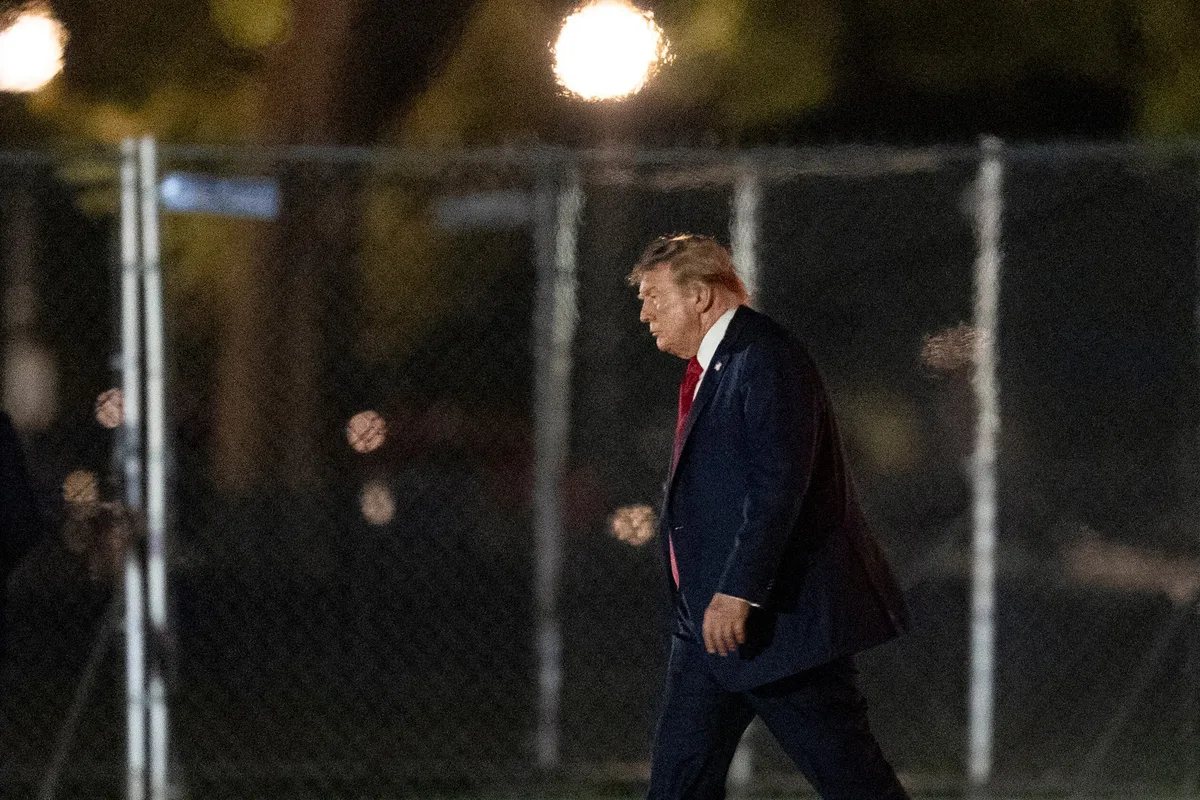
President Donald Trump walks on the Ellipse as he arrives on Marine One near the White House, Friday, Aug. 21, 2026, in Washington. Manuel Balce Ceneta/AP hide caption
WASHINGTON — The United States imposed 50% tariffs on $20 billion worth of Canadian products early Saturday, and Canada immediately said it would retaliate, after last-ditch negotiations failed to resolve the latest strain in already tense relations between the historic allies.
Business Trump is hellbent on tariffs. Here are 5 implications President Donald Trump's import taxes will hit about 5% of what Canada ships to the United States every year, including products ranging from hockey sticks to tongue depressors.
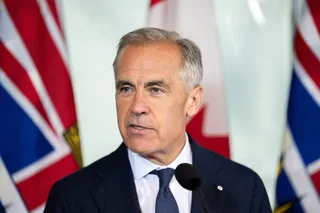
Canadian Prime Minister Mark Carney said it would match the U.S. tariffs dollar for dollar, escalating the trade conflict and calling into the question the future of a North American trade pact between the United States, Canada and Mexico that is crucial to industry in all three countries.
Canada sought concessions on Trump tariffs on steel, aluminum, autos and lumber that the United States was unwilling to provide.
"Tonight, Canada declined to finalize the trade deal under the terms agreed earlier this week. Despite the U.S. offer to Canada to receive the best treatment of any major exporter to our market, new demands and walk-backs of other commitments by Canada have upended the careful balance reached in the past days," U.S. Trade Representative Jamieson Greer said in a statement read to reporters on a press call shortly before midnight.
Carney responded, "Last-minute changes in the U.S. proposed terms were unfair, uneconomic, and called into question the reliability of any deal." He said his government would announce additional support for Canadian workers and businesses in the coming days.
Greer said the U.S. offer was "forward-looking" and included "a historic economic and national security partnership."
No further talks have been planned. The breakdown in negotiations marked a sharp reversal from two days earlier, when officials from the two countries sounded as if they were headed toward a compromise.
The political impact will likely be even bigger than the economic fallout. The countries sold each other $880 billion worth of goods and services last year.
The tariffs were initially supposed to kick in at 12:01 a.m. Wednesday. But Trump extended the deadline for three days to allow talks to continue, but the two countries still could not reach an agreement in time.
The two countries have wrangled for decades over trade, poking each other over sore spots like Canadian softwood lumber imports and U.S. access to Canada's protected dairy market.
Somehow, they still managed to remain friends, allies and trading partners. Canadian soldiers fought alongside Americans in Afghanistan after 9/11. The 5,525-mile U.S.-Canada border is undefended, and nearly 330,000 people and $2 billion worth of goods cross it every day; 800,000 Canadians live in the United States.
Trump's approach to dealing with Canada marks an extraordinary departure from the traditionally cooperative relationship between the two countries.
5News aggregated this summary from the outlet’s public feed. The full article, with all the context, is on www.npr.org — the content belongs to NPR Politics.