Hurricane Isaias threatens Gulf Coast with rain, flooding. See its path.
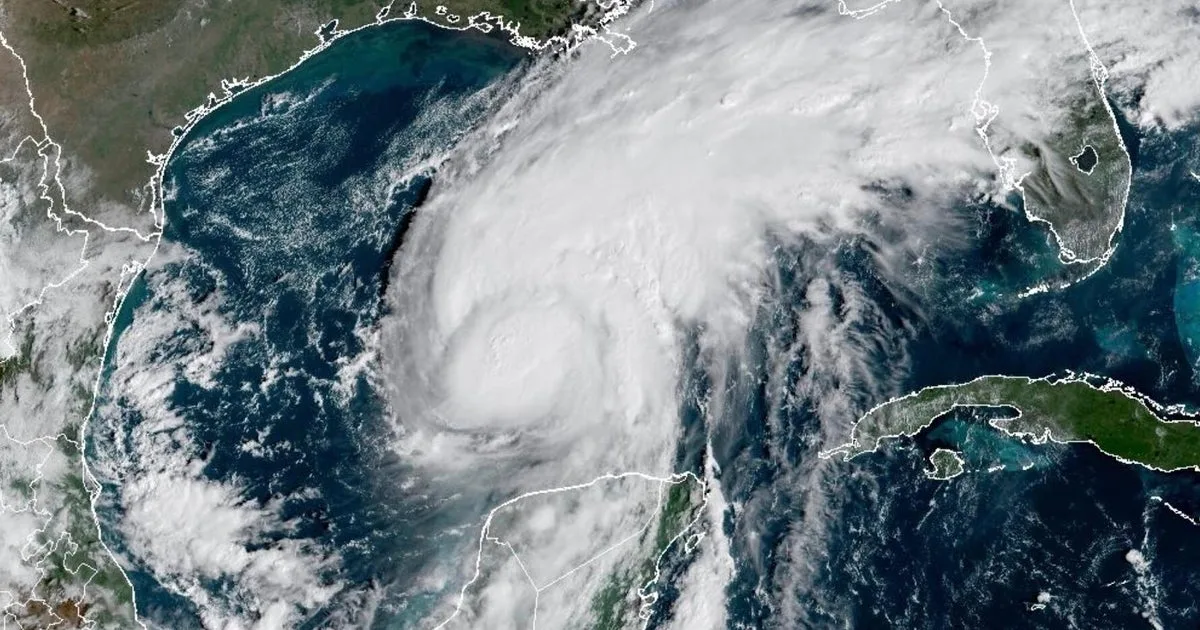
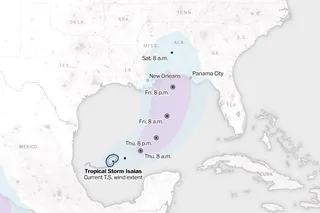
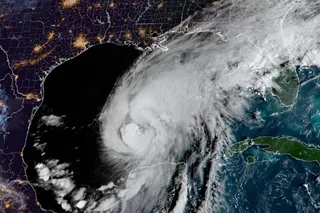
Hurricane Isaias is intensifying Thursday and expected to make landfall along the U.S. Gulf Coast late Friday or early Saturday, threatening parts of Mississippi, Alabama and the western part of the Florida Panhandle. It became the first hurricane of the 2026 Atlantic season after strengthening from a tropical storm late Wednesday night.
A hurricane warning is in effect for the northern Gulf Coast, from the Mississippi-Alabama state line, across southern Alabama, to Panama City, Florida.
Florida Gov. Ron DeSantis declared a state of emergency for more than two dozen counties in his state, and Alabama Gov. Kay Ivey issued a state of emergency for 40 counties. Government buildings will close in nine Alabama counties on Friday, Ivey announced.
The U.S. Coast Guard also said it was preparing for Friday's landfall and urged seafarers near the Gulf to stay informed and remain vigilant leading up to the hurricane's approach.
"Extremely high seas, heavy rains, and damaging winds that accompany tropical storms and hurricanes present serious dangers to the public," the agency said in a statement Thursday.
Isaias, pronounced "ees-ah-EE-ahs," had maximum sustained winds of 85 mph at 2 p.m. ET, and its core was located about 355 miles south of the mouth of the Mississippi River, according to the National Hurricane Center. Hurricane-force winds extended outward up to 15 miles from the storm's center, and tropical-storm-force winds extended outward up to 90 miles.
"Additional strengthening is expected through early Friday, and Isaias should remain a dangerous hurricane as it approaches the northern Gulf Coast on Friday night," the center said, emphasizing that "preparations to protect life and property from storm surge and damaging winds along the warning area of the Gulf Coast should be rushed to completion."
Mandatory evacuations have been ordered in parts of Florida's Okaloosa and Walton counties, which took effect Thursday at 12 p.m. ET. Voluntary evacuations were in place for coastal spots in southeastern Alabama, with officials in the city of Gulf Shores urging non-residents to leave the area to "help reduce congestion, support emergency operations, and ensure the safety of those who may be most vulnerable during the storm."
Dauphin Island Mayor Jeff Collier told CBS News on Thursday that his biggest concern for the coastal Alabama community was whether its residents and visitors would heed official warnings.
"Because what inevitably happens is people hear the warnings, but they don't actually take any action until it's much too late," Collier said. "And oftentimes if it's really bad, first responders can't get out to people until things calm down a bit."
Along with the hurricane warning, a tropical storm warning was issued from the southeast corner of Louisiana to Biloxi, Mississippi, plus in and around Apalachicola, Florida. A storm surge warning was issued from the mouth of the Mississippi River in southeastern Louisiana, across the coasts of Mississippi and Alabama, into the Florida Panhandle.
5News aggregated this summary from the outlet’s public feed. The full article, with all the context, is on www.cbsnews.com — the content belongs to CBS News.