Why I Stopped Fighting AI in My Classroom and Started Teaching With It
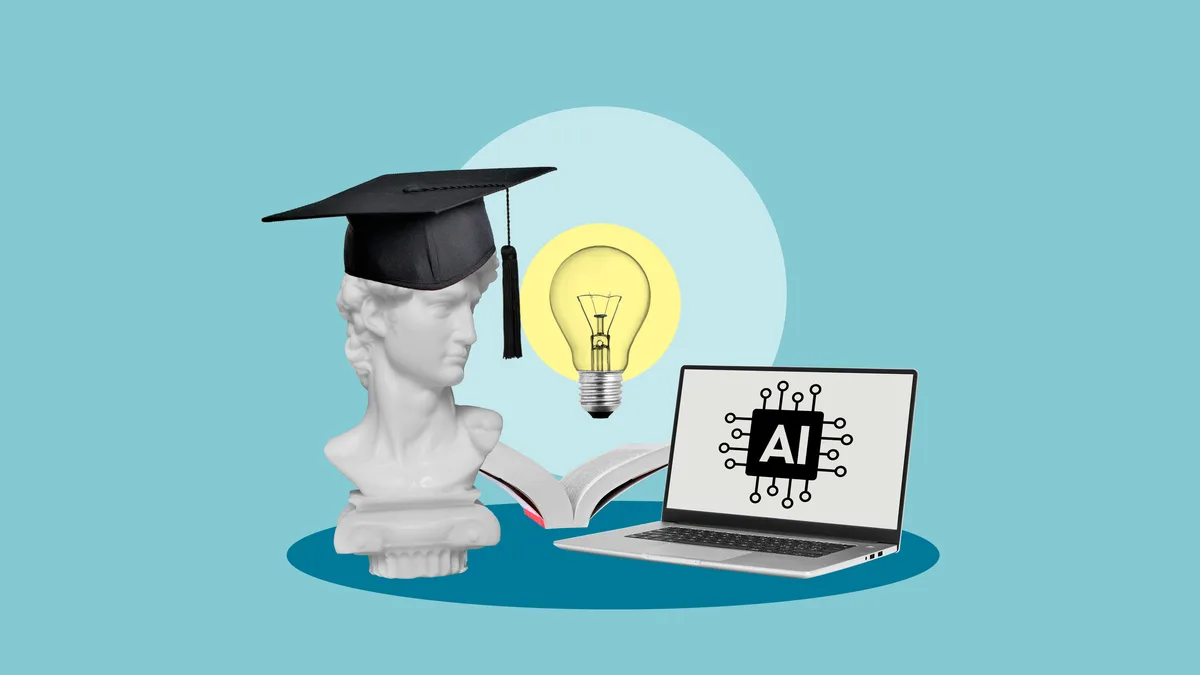
—Andrii Dodonov—Getty Images At a recent academic retreat I attended, the air was thick with what I can only call educational gaslighting.
A panel of graduate and undergraduate students looked a room full of professors in the eye and claimed they only used AI to verify their work because they valued learning too much to take shortcuts.
Minutes later, when the answers were blind, those same students estimated that over 80% of their peers were using the technology for nearly everything.
As an engineering professor at the University of Michigan, I believe we need to move past the fear and hype.
The future job market will not be dominated by autonomous AI, but by experts who have mastered their field so thoroughly that they can use it to multiply their output exponentially.
But how do we help students become experts if they don’t show up? This question precedes the LLM onslaught.
Since the pandemic, traditional lecture attendance has cratered , but active learning has been shown to significantly improve both turnout and long-term retention .
By evolving my courses to embrace this data, I’ve seen attendance surge, even in the freeze of a Michigan winter.
Flipping the lecture cycle Classically, engineering courses default to hours of lectures where students are expected to take notes, with problem sets and exams bolted on.
Many students treat a lecture as passive entertainment.
And, often, the material is so technical that it is disconnected from real-world use, leading to even less engagement and retention.
To break this cycle, I’ve flipped my classroom.
Each week, I assign a 2-hour recorded video lecture, along with a related article.
The assignments are made in Perusall, an AI-enabled tool that treats the video and article a bit like a social network.
5News aggregated this summary from the outlet’s public feed. The full article, with all the context, is on time.com — the content belongs to TIME.