‘Just Sit Them on the Potty’
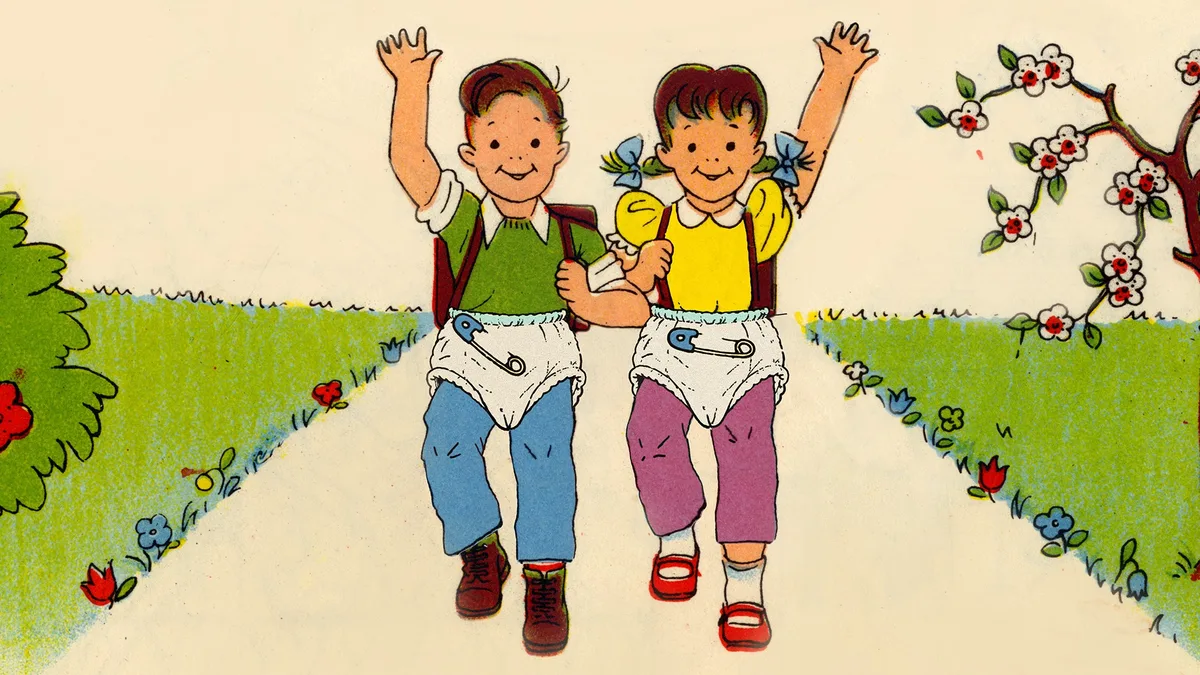
The time has come to admit it: The United States has a potty-training problem.
In Utah, a law came into effect last year mandating that, with some exceptions, children will not be allowed to enroll in public school without first being toilet trained.
Kansas lawmakers introduced a similar bill in January, and at least one district in Florida is considering a policy change that could force kindergartners to stay home until they are out of diapers.
These directives have come about because growing numbers of children are showing up to school unprepared to use the toilet.
And U.S. schools aren’t the only ones confronting this issue.
In the United Kingdom, the nationally representative School Readiness Survey found that last year, more than a quarter of children were not toilet trained when they began primary school (which most children do the September after they turn 4).
Felicity Gillespie, the chief executive of Kindred Squared, the organization that commissions the annual survey, told me this means that teachers “can never really get into the curriculum, because they’re constantly having to take kids out and change their nappies.” The shift toward delayed potty training, I learned while reporting this article, has been under way for quite a long time.
And the sources I spoke with pointed to a few factors driving it.
One is that easy access to disposable diapers—which reduce the mess involved in having a child who can’t reliably make it to the toilet—has made the need for training less pressing.
Another is that many families with working parents are short on the considerable time needed for monitoring trips to the bathroom.
But from Gillespie’s perspective, the root of the issue is that parents are taking a child-led approach to what should be a “100 percent parent-led activity,” she said.
“You don’t sit and wait for a child to say, ‘Do you know what? I think I’d like to try wearing pants today.’” A desire to empower children as decision makers in their own lives, as well as an underlying wariness about parental authority, manifests in many trending parenting philosophies—and is perhaps most recognizable in “gentle” or “respectful” parenting, which emphasizes guidance and persuasion over rules and instruction.
Broadly, this approach is rooted in an admirable desire to respect children as humans.
The author of The Sovereign Child , a 2025 book that advocates for rules-free parenting, describes a general philosophy of “taking children seriously.” What it amounts to, though, is going to great lengths to avoid just telling your kid what to do. [ Read: Parenting in America keeps getting more intensive ] Potty training offers a strong case study in how easily the child-led approach can break down amid the realities of modern life.
5News aggregated this summary from the outlet’s public feed. The full article, with all the context, is on www.theatlantic.com — the content belongs to The Atlantic.