Thursday, August 27, 2026 SourcesAbout🌓
🇺🇸 US ▾
BREAKING
Russia is 'going backwards' in equipment and deploying post WWII-era tanks, according to Western officials Podcast: One country musician is calling for other artists to oppose assault rifles Bidets save you money and reduce waste — we tested the best options out there 50+ products to make your life easier and our planet cleaner Mother's Day is around the corner. Here are 50+ thoughtful gifts she'll love A head-to-toe guide of how men should dress this spring, and where they should shop 42 of the most useful travel products you can buy on Amazon The 7 best high-yield savings accounts of April 2023 Taxes are due tomorrow. Here's how to file for an extension Composting is an easy way to reduce food waste. Here's how to do it Russia is 'going backwards' in equipment and deploying post WWII-era tanks, according to Western officials Podcast: One country musician is calling for other artists to oppose assault rifles Bidets save you money and reduce waste — we tested the best options out there 50+ products to make your life easier and our planet cleaner Mother's Day is around the corner. Here are 50+ thoughtful gifts she'll love A head-to-toe guide of how men should dress this spring, and where they should shop 42 of the most useful travel products you can buy on Amazon The 7 best high-yield savings accounts of April 2023 Taxes are due tomorrow. Here's how to file for an extension Composting is an easy way to reduce food waste. Here's how to do it
Technology

Why did 1,000 world citizens bury their underpants?

Ars Technica ·
Why did 1,000 world citizens bury their underpants?

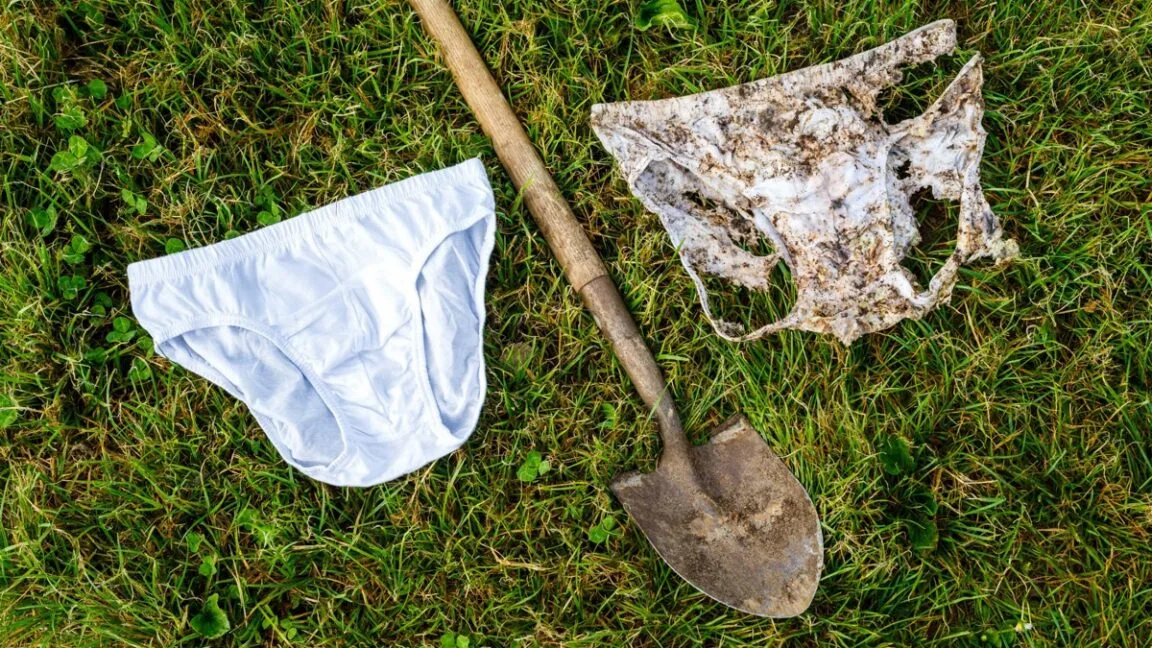
A thousand people voluntarily buried their cotton underpants for two months—not to keep the Underpants Gnomes from stealing them, but as part of a citizen science project to map out soil health in 25 countries around the world.

The results of this unique experiment were reported in a new paper published in the journal Plants People Planet.

“Our results show that how soil is managed can significantly affect both soil life and soil quality,” said co-author Marcel van der Heijden , an agroecologist at the University of Zurich.

“Healthy, biologically active soil is crucial for fertility, nutrient cycling and many other ecosystem services.” Soil health is critical for agriculture and, by extension, food security, not to mention a healthy global ecosystem, but it has been declining worldwide, per the authors.

One key indicator of soil health is decomposition rates of complex organic matter, breaking down stuff like leaves, wood, even cadavers into simpler organic and inorganic compounds, releasing C0 2 and nutrients in the process.

There have been relatively few large-scale national decomposition studies involving different land use types, although smaller studies have shown that how humans use a site can significantly affect the soil's biological diversity.

Read full article Comments

Read the full article on Ars Technica ›

5News aggregated this summary from the outlet’s public feed. The full article, with all the context, is on arstechnica.com — the content belongs to Ars Technica.


More from Ars Technica

See all ›

More in Technology

See all ›