The Transcendence of Dolly Parton
This is an edition of The Atlantic Daily, a newsletter that guides you through the biggest stories of the day, helps you discover new ideas, and recommends the best in culture.
Sign up for it here.
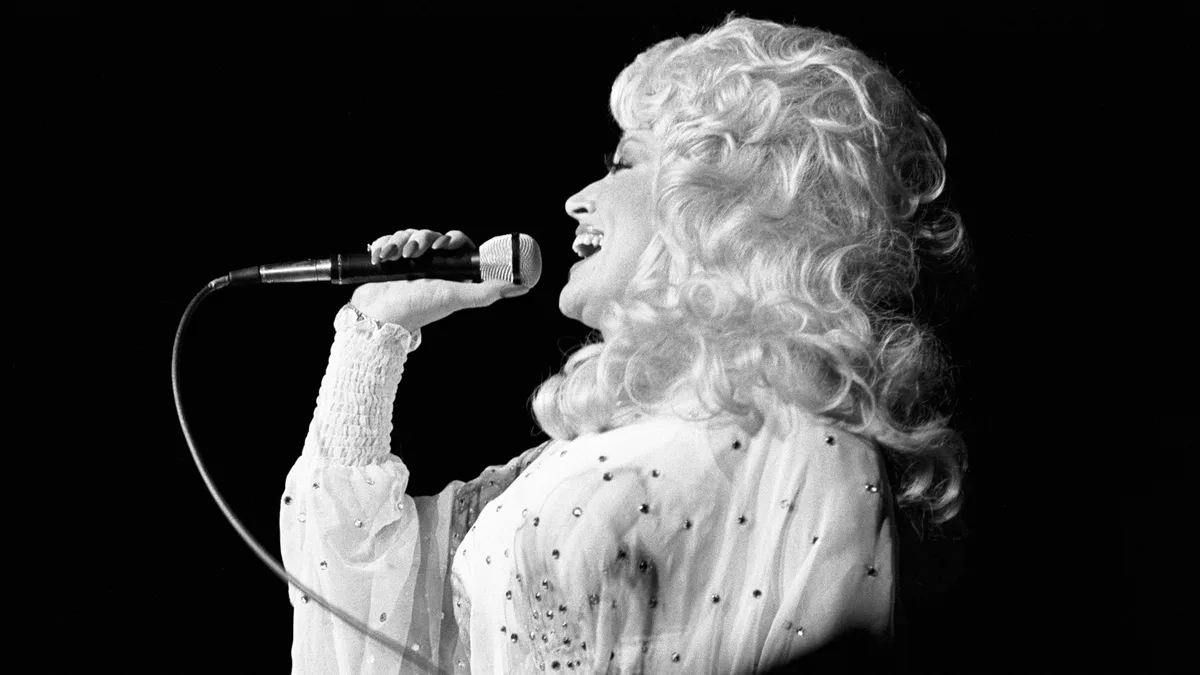
Dolly Parton transcended.
It almost didn’t matter what: class, gender, region, musical genre, partisanship.
She transcended boundaries in all of them.
During an era when politicians act like pop stars, pop stars are expected to engage in politics, and politics divide fiercely, Parton was perhaps the only person in the United States who commanded nearly universal affection.
Her death today, at 80, leaves an absence that no contemporary cultural figure could dream of filling.
Parton’s origin story was, in the most literal sense, a rags-to-riches tale.
She was born in a one-room cabin in the Appalachian Mountains of East Tennessee, one of 12 children of an illiterate sharecropper father.
She memorialized her impoverished childhood in “Coat of Many Colors,” which tells of how her mother sewed a jacket from rags.
When she wears it to school, “with patches on my britches / and holes in both my shoes,” her classmates mock and laugh at her.
Rather than a hard-luck story, this is a triumph.
Parton gets the last laugh: “But they didn’t understand it and I tried to make them see / That one is only poor only if they choose to be.” The song showcases one of the keys to Parton’s success: the ability to bare her soul while keeping a sense of humor and a smile.
Her rise to fame began when she was hired by the rhinestone-adorned country singer Porter Wagoner as a “girl singer” in his act.
5News aggregated this summary from the outlet’s public feed. The full article, with all the context, is on www.theatlantic.com — the content belongs to The Atlantic.