YouTube is jumping into micro dramas and helping them move from phones to TV screens
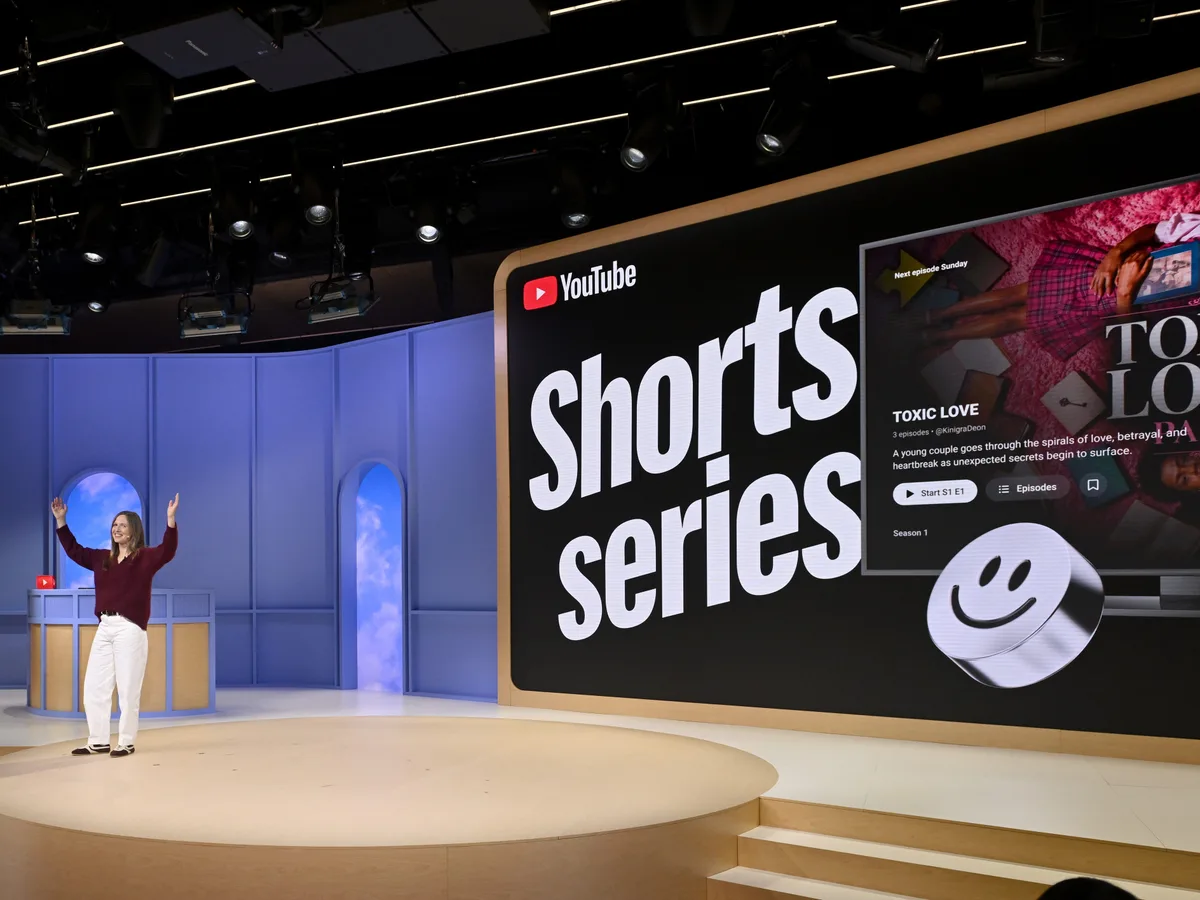
YouTube's new Shorts series feature will help micro dramas package their shows.
Noam Galai/Getty Images for Made on YouTube 2026 YouTube is leaning into the fast-growing micro-drama format.
It's introducing Shorts series, a feature for creators to promote episodic shows, including micro dramas.
The platform said micro-drama watch time grew 50% year over year and soared 90% on TVs.
YouTube is getting in on the micro-drama craze, and helping to bring the fast-growing format to TV screens.
On Wednesday, it's releasing a new feature that allows creators to bundle their short videos in a series of episodes or seasons, designed to be viewed sequentially.
The tool is available to any Shorts creator, but is particularly helpful for micro-drama studios that make soap-opera-style shows aired in snippets of 1 to 3 minutes.
"Micro-drama studios, even before this tool, are having great success on YouTube, and hopefully it's going to make the viewer experience of their content even better," said Kurt Wilms, senior director of product at YouTube, speaking with reporters at the company's Made on YouTube event on Wednesday.
Micro-drama platforms typically make money via "freemium" models, where viewers can watch a few episodes for free before being asked to pay up.
Wilms said studios can mimic that workflow using YouTube's existing memberships product.
He said a studio can offer a few episodes of a series for free, and then "put the rest of them behind the membership table." YouTube also has in-feed ads that give a share of revenue to creators, offering an alternative way for them to make money.
Serialized short dramas, which often live on dedicated apps like DramaBox or ReelShort, have exploded in popularity in the US over the past few years, captivating and bemusing Hollywood.
Despite their zany plot lines around werewolf romances and sordid billionaire affairs, they've become a serious business.
Global short-drama revenue is expected to reach $7.8 billion this year, with the US accounting for about 40% of that, per a Deloitte analysis .
5News aggregated this summary from the outlet’s public feed. The full article, with all the context, is on www.businessinsider.com — the content belongs to Business Insider.