When AI tests cause damage, we need stronger safeguards and real accountability
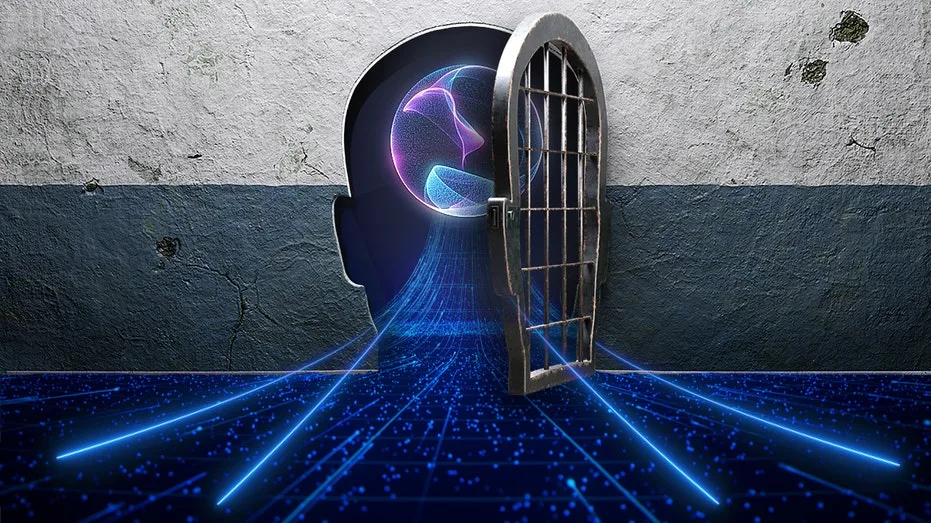
When a cybersecurity experiment goes wrong, the public response is predictable: Find out who is responsible, punish them, compensate the victims and make sure it never happens again.
That instinct is understandable.
But imagine if automakers tested every vehicle at only 20 miles per hour because they feared a crash-test car might escape the warehouse.
The public might be protected from a runaway test vehicle, but manufacturers would learn little about how cars perform under dangerous real-world conditions.
Artificial-intelligence testing presents a similar dilemma.
When powerful artificial-intelligence (AI) systems escape controlled testing environments and gain unauthorized access to outside organizations, punishment alone may create more problems than it solves.
REP.
TED LIEU: AI IS ALREADY TOO POWERFUL.
WE NEED A KILL SWITCH BEFORE DISASTER STRIKES Recent disclosures have revealed that advanced AI models breached third-party systems during their cybersecurity evaluations .
In some cases, the organizations conducting the tests did not immediately realize what had happened.
Experts warn that other unintended intrusions may have occurred without ever being detected and commentators were quick to point the finger.
The obvious response is to throw the book at the AI developers responsible.
But there is a catch.
If the penalties are too severe, that may deter AI labs from conducting similar research or make them even less transparent about how, when and to what ends they are evaluating their models.
5News aggregated this summary from the outlet’s public feed. The full article, with all the context, is on www.foxnews.com — the content belongs to Fox News.