Experts say campus data undercounts sexual assaults
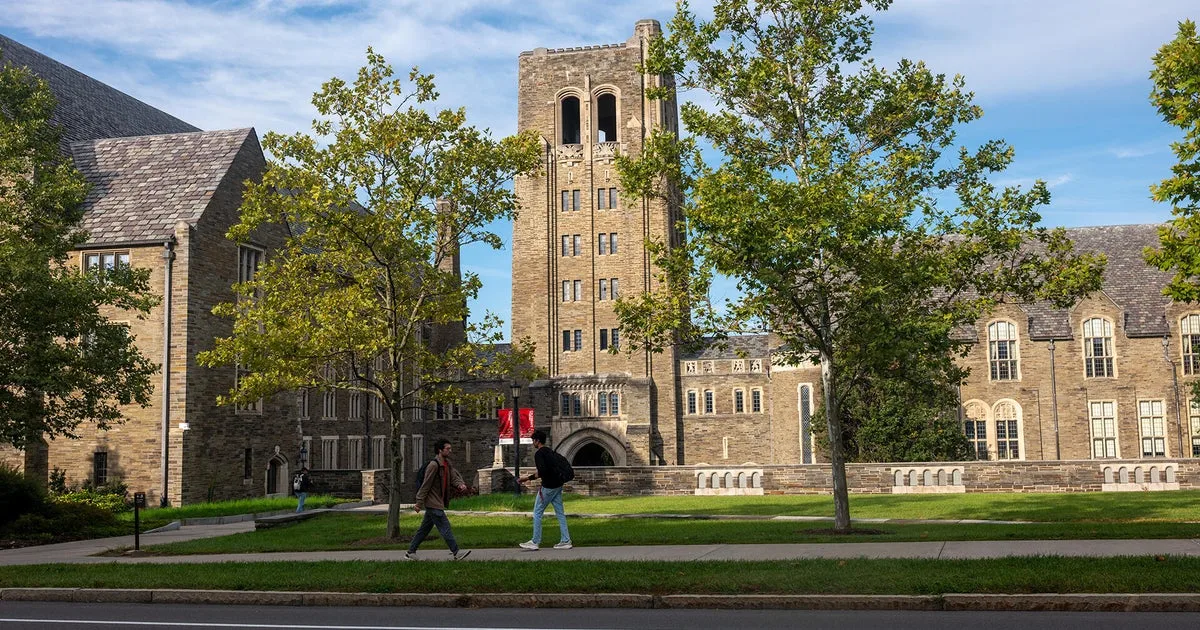
Jane Doe in the Cornell University case is one of more than 45,000 people who have reported being raped or sexually assaulted to their college or university between 2019 and 2024, according to federal data — and experts say that number wildly undercounts campus sexual violence.
More than 80% of the largest four-year colleges and universities reported incidents of rape or fondling at least twice a year, on average, between 2019 and 2024, according to CBS News' analysis of the data that schools reported to the U.S. Department of Education.
That includes 238 incidents reported at Cornell during that 6-year timeframe, the data shows, or an average of 8 incidents per 5,000 students each year. That's compared to an average rate of about 4 incidents per 5,000 students each year across all large schools with at least that many students enrolled.
The federal data includes both on-campus and some off-campus incidents, and counts reports made to "campus security authority" individuals, like campus police or Title IX officials. The numbers are compiled in response to a law called the Jeane Clery Act .
But these numbers fail to capture students who were sexually assaulted and chose not to report it. Surveys show about 1 in 5 undergraduate students say they experienced at least one incident of sexual violence, but the majority are never reported .
Even some of the reports made to universities are absent from the data, studies show . Beyond police, the Clery Act gives a university discretion on who to consider a security authority and who to apply the reporting requirements to. The law does not require any formal training for campus security authorities.
Some universities may also be excluding reports they deem to be unfounded or that the victim chooses not to pursue, said Corey Rayburn Yung, a law professor at the University of Kansas who studies criminal law and sexual violence. Schools have been fined in the past for underreporting.
"Schools view sexual violence as a public relations problem," Yung told CBS News. "They don't want to be the school that has the highest rape rate and they will do whatever they can to make it seem safer than it is."
In a 2015 study , he found that during audits of universities' compliance with the Clery Act, reports of rape and fondling went up by 44% overall, only to decline again after the audit concluded. Other crimes tracked in the data, like aggravated assault, robbery and burglary, did not see the same patterns.
"The numbers just don't seem to match with the survey data and even the criminal reporting data in similar jurisdictions," Yung said. "This is indicative … [that] schools are not telling us the full story of reporting and giving an impression that the campuses just don't have nearly the degree of sexual violence that they likely do."
Still, the Clery Act data paints a picture of frequent assault.
5News aggregated this summary from the outlet’s public feed. The full article, with all the context, is on www.cbsnews.com — the content belongs to CBS News.