Evidence of unfair use: AI books squeeze human authors out of the market
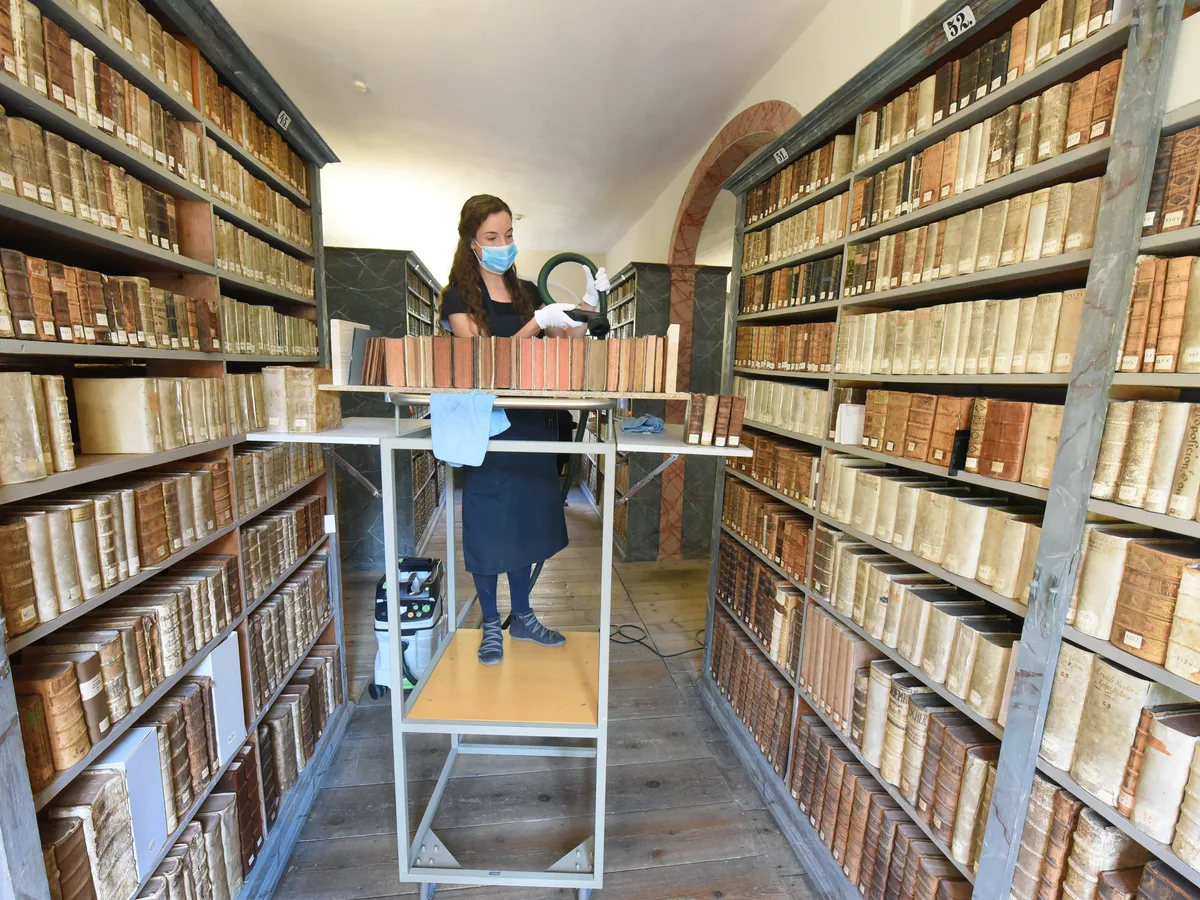
Books being cleaned at the Preservation Academy Leipzig in Germany DPA Picture Alliance/Reuters A version of this story originally appeared in the BI Tech Memo newsletter.
Sign up for the weekly BI Tech Memo newsletter here .
Of all the things Anthropic has done, this one probably shocks regular people the most.
The AI giant bought millions of used books, cut off their spines, scanned the contents to train its models, and then destroyed the originals .
Most people hear that and think it's awful.
But Anthropic was actually following copyright law, which lets you digitize a book you own as long as you don't create an extra copy.
In a high-profile case, a federal judge ruled this part of Anthropic's process was fair use .
The bigger question has always been what happens after the training, when models use what they've learned to generate new content.
The US Copyright Office examined that issue last year and identified the biggest weakness in AI companies' argument.
One of the four fair-use tests asks whether the new work harms the market for the original.
The Copyright Office concluded that using copyrighted works to create commercial content that competes with those works " goes beyond traditional fair-use boundaries ." The problem was proving it.
Now there's evidence .
Researchers recently analyzed more than 14,000 ebooks sold on Amazon between 2023 and 2026.
They found many books with substantial amounts of AI-written text — so many that they squeezed the market for everyone else.
5News aggregated this summary from the outlet’s public feed. The full article, with all the context, is on www.businessinsider.com — the content belongs to Business Insider.