SpaceX’s Plan to Build the World’s Biggest Spaceport Could Be an Environmental Disaster
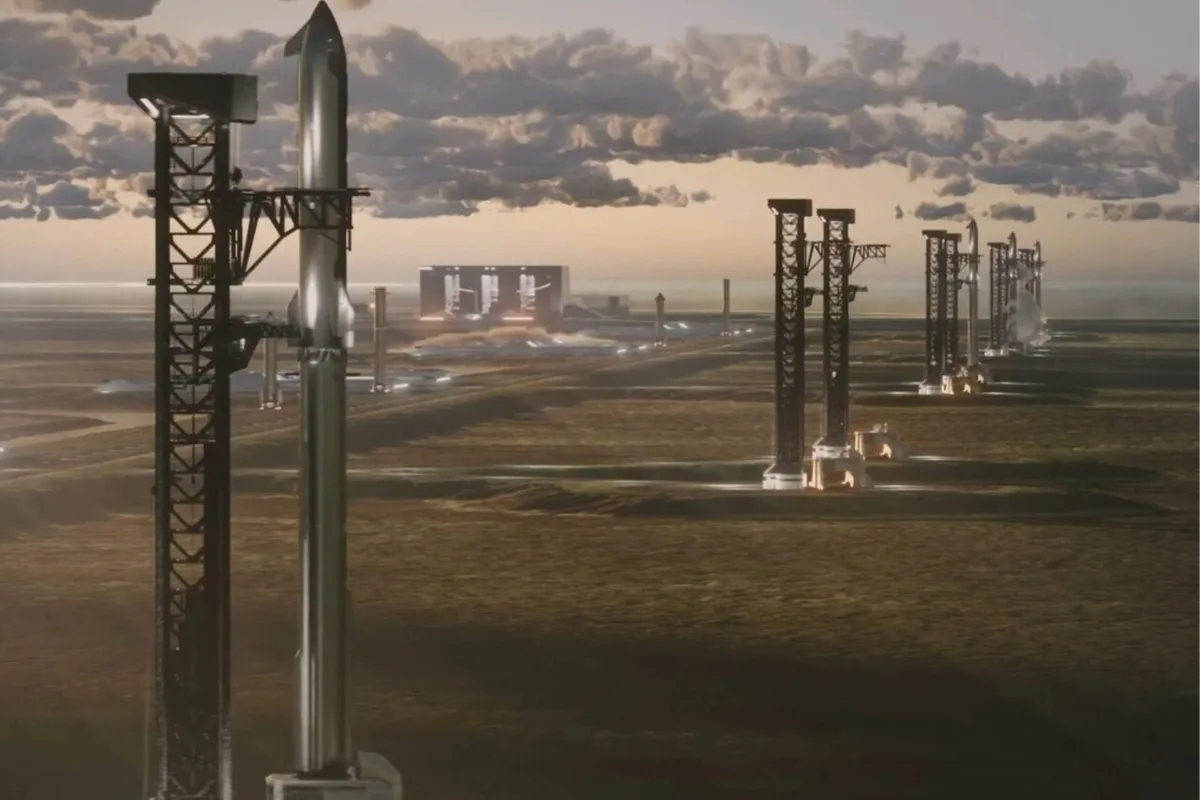
Months of speculation about SpaceX’s interest in a large plot of Louisiana marshland have finally come to an end. On Tuesday, the company unveiled its plan to build an enormous spaceport in Vermillion Parish on the state’s Gulf Coast, near the unincorporated community of Pecan Island. Environmentalists are already sounding the alarm.
Just before Governor Jeff Landry announced the $100 billion project, the Louisiana Wildlife Federation, National Wildlife Federation, and Pontchartrain Conservancy filed comments on regulatory changes proposed by the Federal Aviation Administration on July 30. The advocacy groups argue that these changes would remove environmental review requirements for the spaceport’s development, putting wildlife, habitat, water, and coastal resources at risk.
“For a state whose most significant emerging spaceport site sits within 136,000 acres of coastal marsh in Vermilion Parish, among the most productive wildlife habitat on the continent, that change is not abstract. It is immediate and local,” they wrote in a letter addressed to FAA Administrator Bryan Bradford on Monday.
Gizmodo reached out to SpaceX for comment but did not receive a response by the time of publication.
Starbase, Louisiana, intended to support thousands of Starship launches per year, will be built on about 125,000 acres. On Tuesday, SpaceX CEO Elon Musk called it “the biggest launch site on Earth.” It will dwarf Starbase, Texas, the company town that has launched Starships for the past three years.
That site has faced significant scrutiny over its environmental impact . The most noteworthy incident occurred in 2024, when regulators found that SpaceX had violated the Clean Water Act by repeatedly releasing pollutants into Texas waters via Starship’s water deluge system.
The FAA’s proposed changes to its commercial space licensing regulations are aimed at streamlining the licensing process and reducing the regulatory burdens for applicants. They would waive requirements under 13 wildlife, water, and public health laws for commercial space operations, including the Endangered Species Act, the Clean Water Act, and the Clean Air Act.
In their letter, the wildlife advocacy groups urged the FAA to withdraw or substantially revise the proposed changes. While they acknowledge the economic opportunity Starbase may bring to Louisiana, they emphasize the ecological significance of its site.
The Vermillion Parish is located in the Chenier Plain, an important wintering area for migratory wildfowl. It also sits next to the Rockafeller Wildlife Refuge and State Wildlife Refuge Complex.
“These marshes support wintering populations of ducks and geese numbering in the millions, provide essential habitat for wading birds and shorebirds, serve as nursery grounds for shrimp, crab, and pinfish that anchor Louisiana’s coastal fisheries, and shelter species of extreme conservation concern including the whooping crane,” the letter states.
5News aggregated this summary from the outlet’s public feed. The full article, with all the context, is on gizmodo.com — the content belongs to Gizmodo.