Does Trump Want Republicans to Win the Midterms?
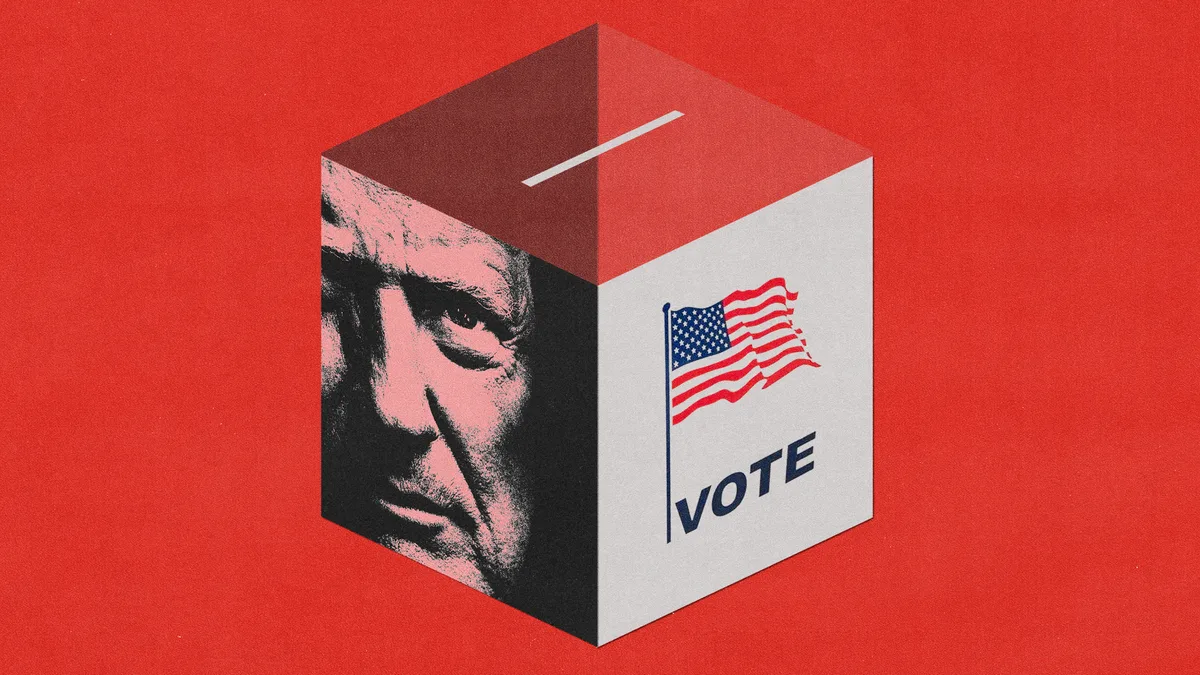
Is Donald Trump trying to help Republicans win the midterm elections? The obvious answer to this question is yes, of course , simply because all political leaders benefit from their party winning elections.
Yet several of Trump’s actions throw this normally perfunctory question into at least some doubt.
Traditionally, candidates laboring under the burden of an unpopular president seek to detach themselves from the national brand.
Trump is making this impossible.
He has launched a national ad campaign focused on himself, and thrown a high-profile “midterm convention” designed to further reinforce the synonymity of the party and its leader.
Trump has also made several remarks that convey an emotional detachment from the election’s outcome—comments such as “I’m not affected by the election” or “I don’t care about the midterms.” Perhaps he is merely feigning indifference.
Maybe he truly does not care.
More likely, Trump cares about the outcome, but not enough to permit Republicans to acknowledge his lack of popularity.
His approach, at any rate, nicely illustrates the drawbacks of handing total control of a political party to an egomaniac.
Midterm elections have historically disfavored the president’s party.
Candidates for office who are running in neutral or hostile territory accordingly tend to emphasize their differences with the president—think of Joe Manchin running an ad in West Virginia in 2010 showing him firing an actual bullet at Barack Obama’s cap-and-trade bill, or the Republican Will Hurd in 2018 criticizing Trump’s racism and affinity for Russia. [ Listen: Trump’s economy goes to the polls ] Trump’s public standing is unusually dire.
He is currently polling far worse than either he did at this point in 2018 or Joe Biden did four years ago.
In theory, this ought to give Republicans an especially strong incentive to edge away from Trump and emphasize local themes in their elections.
Trump has decided to block this escape route.
5News aggregated this summary from the outlet’s public feed. The full article, with all the context, is on www.theatlantic.com — the content belongs to The Atlantic.