Anthropic and General Catalyst: the market is mispricing resilience
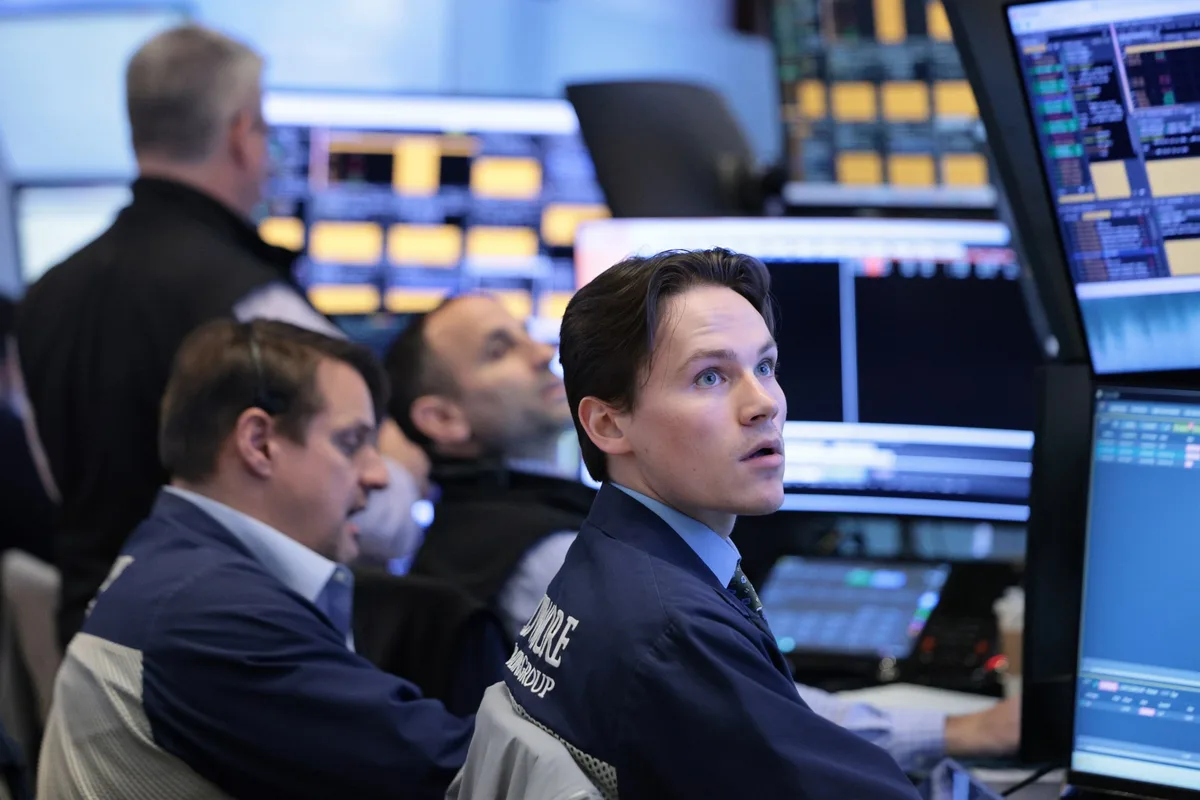
In 2001, Amazon’s stock had fallen roughly 95% from its peak and many of its dotcom peers were in liquidation.
But Amazon had spent 1999 building fulfillment capacity far ahead of demand, expanding from 300,000 square feet to more than five million.
When the crash came, that excess capacity gave Amazon optionality.
It opened its network to other retailers and independent sellers, turning idle warehouse space into a platform business.
Resilience is a growth asset that markets still price as an afterthought.
For most of the last century that was defensible: resilience meant surviving disruption, a defensive property rewarded only in hindsight.
But as disruption becomes more frequent and varied, the companies that absorb shocks fastest are the ones that grow while competitors retrench.
AI accelerates this divide.
It threatens incumbent business models while giving companies a powerful instrument for absorbing shocks.
Organizations running on AI-enabled processes are cheaper to operate and have more room to act when conditions change.
One of the most expensive mistakes in markets is confusing “still growing” with “structurally sound.” Recurrence is not the same thing as durability.
Yet markets price the risks of disruption more accurately than the businesses built to withstand it.
The qualities that make a company resilient are visible in advance.
The challenge is measuring durability before disruption makes its value obvious.
5News aggregated this summary from the outlet’s public feed. The full article, with all the context, is on fortune.com — the content belongs to Fortune.