What Meta bought with its $18 billion settlement
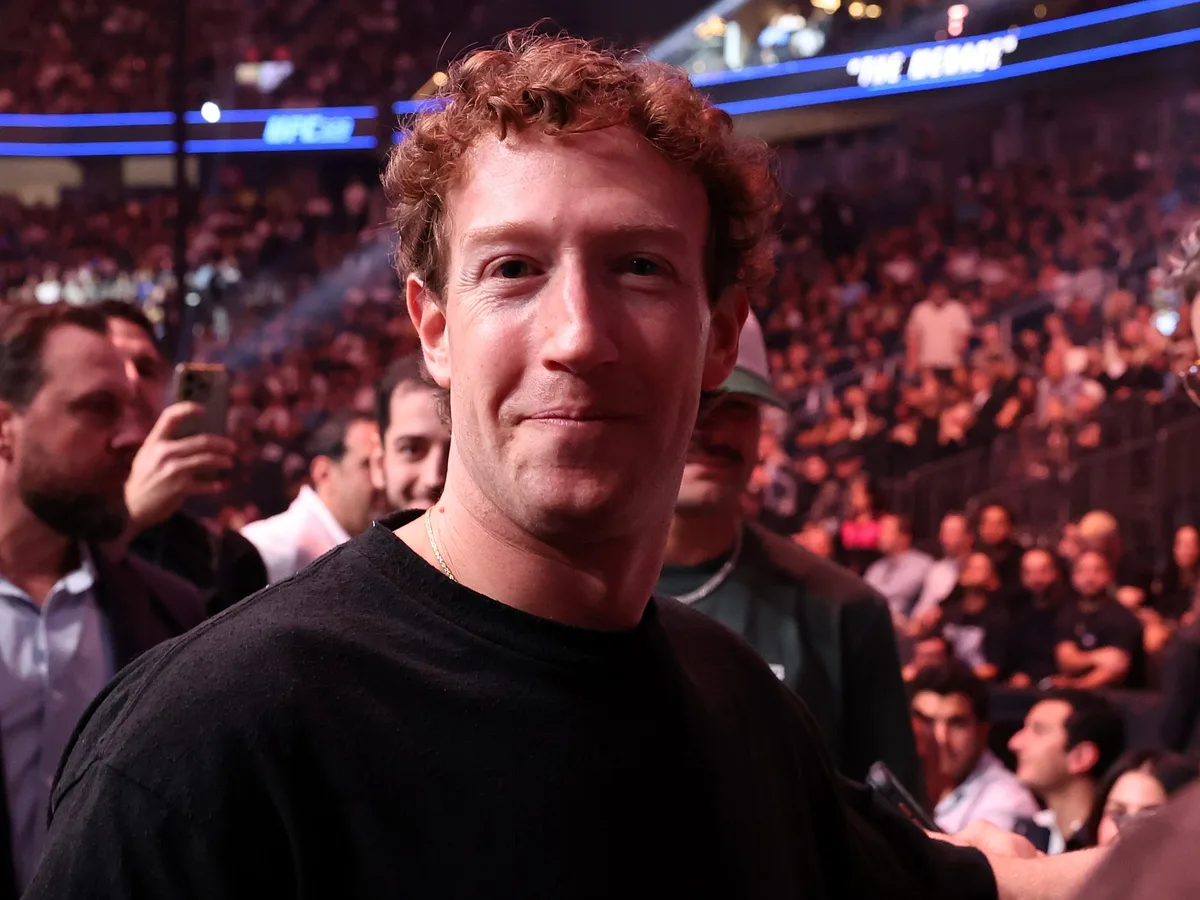
Meta CEO Mark Zuckerberg Ed Mulholland/Zuffa LLC Meta's new restrictions on teen accounts come with some convenient exceptions.
A version of this story appeared in the BI Tech Memo newsletter.
Sign up for the weekly BI Tech Memo newsletter here .
Last week, when Meta went on trial over allegations that Facebook and Instagram were designed to addict kids, I hunkered down for weeks of testimony from executives, including CEO Mark Zuckerberg.
Just eight days later, it was over.
On Wednesday, Meta agreed to settle for up to $18 billion, cutting short a trial in which four states were seeking roughly $200 billion, and keeping Zuckerberg off the witness stand.
The settlement is historic — the largest that a Big Tech company has ever paid to states.
It's also easy money for Meta.
Meta's payouts to the states will happen over an entire decade in guaranteed annual installments of roughly $1.17 billion — almost exactly, as one of its former engineering directors noted on X , what its Reality Labs division loses every 24 days.
In just the last quarter, Meta made $16 billion in profit , and over $60 billion in 2025.
That doesn't mean Meta gets a pass.
For the first time, it will meaningfully change how its apps work for teenagers, including defaulting teen accounts to a two-hour daily limit, offering an option to make chronological feeds the default, blocking features overnight, and silencing most notifications during school hours.
But it's in the fine print that these limits start looking less absolute.
Parents can override them; messaging doesn't count toward the two-hour cap and remains available overnight; and videos that run at least 22 minutes don't count, either.
5News aggregated this summary from the outlet’s public feed. The full article, with all the context, is on www.businessinsider.com — the content belongs to Business Insider.