Got light pollution? Dont let it spoil the Aug. 2026 partial lunar eclipse
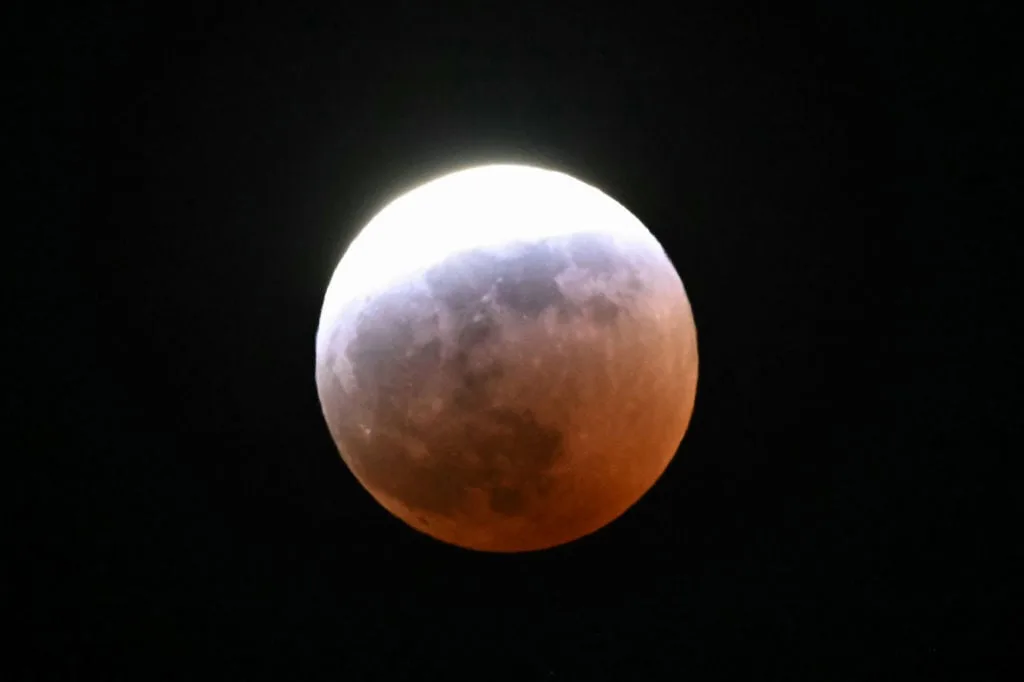
Folks across North and South America, as well as parts of Europe and Africa, will have a front-row seat to a partial lunar eclipse on Aug.
27, painting the moon the color of a hot fireplace poker.
Unlike solar eclipses , you don't need specially darkened glasses to protect your eyes.
In this case, you can safely stare with the naked eye.
And since the next true total lunar eclipse won't happen for most of the Americas until 2029, this is your best chance to catch a major lunar light show for a few years.
But if you're like this reporter and live in an area with perpetual city light pollution — or cloudy weather just happens to crash your viewing party plans — several telescope observatories will be hosting free livestreams to bring the magic to your screen.
SEE ALSO: NASA reluctantly abandons a space telescope rescue mission During a lunar eclipse, the Earth slides between the sun and the moon , casting a giant shadow over the lunar surface.
This upcoming event is especially thrilling because it is a "deep" partial eclipse.
At its peak, Earth's dark shadow will swallow almost all of it — over 96 percent of the lunar face.
Instead of going completely dark, the moon will catch filtered sunlight from Earth's atmosphere, glowing in coppery orange and red.
A lunar eclipse is sometimes called a blood moon because it reflects light filtered through Earth's atmosphere.
Credit: Ernie Wright / NASA's Scientific VIsualization Studio infographic "It's as if all the world’s sunrises and sunsets are projected onto the Moon," according to NASA .
If you decide to step outside, grab a pair of binoculars to watch Earth's curved shadow sweep across lunar craters.
You might also notice more stars popping out in the night sky as the bright moonlight dims.
5News aggregated this summary from the outlet’s public feed. The full article, with all the context, is on mashable.com — the content belongs to Mashable.