OpenAI launches ChatGPT for Teens
The majority of teens use artificial intelligence , including ChatGPT , for schoolwork and entertainment .
Now OpenAI has created a new dedicated product for them: ChatGPT for Teens.
This customizable version of ChatGPT, which debuted Tuesday, is designed to "support" learning and human relationships, according to OpenAI's launch announcement.
It will be the default experience for any self-identified teen or users who OpenAI estimate are between the ages of 13 and 17.
SEE ALSO: Digging into Gen Z's love/hate relationship with AI "The goal is to make this a learning tool for teens and make sure that it's the best that it can be with built-in safeguards," Lauren Jonas, head of youth and families at OpenAI, told Mashable.
ChatGPT for Teens debuts at a time of intense scrutiny for OpenAI.
It recently announced that one of its agents hacked into another company .
OpenAI also faces numerous safety-related lawsuits alleging that ChatGPT has encouraged dependency and put adult and minor users in dangerous or life-ending situations .
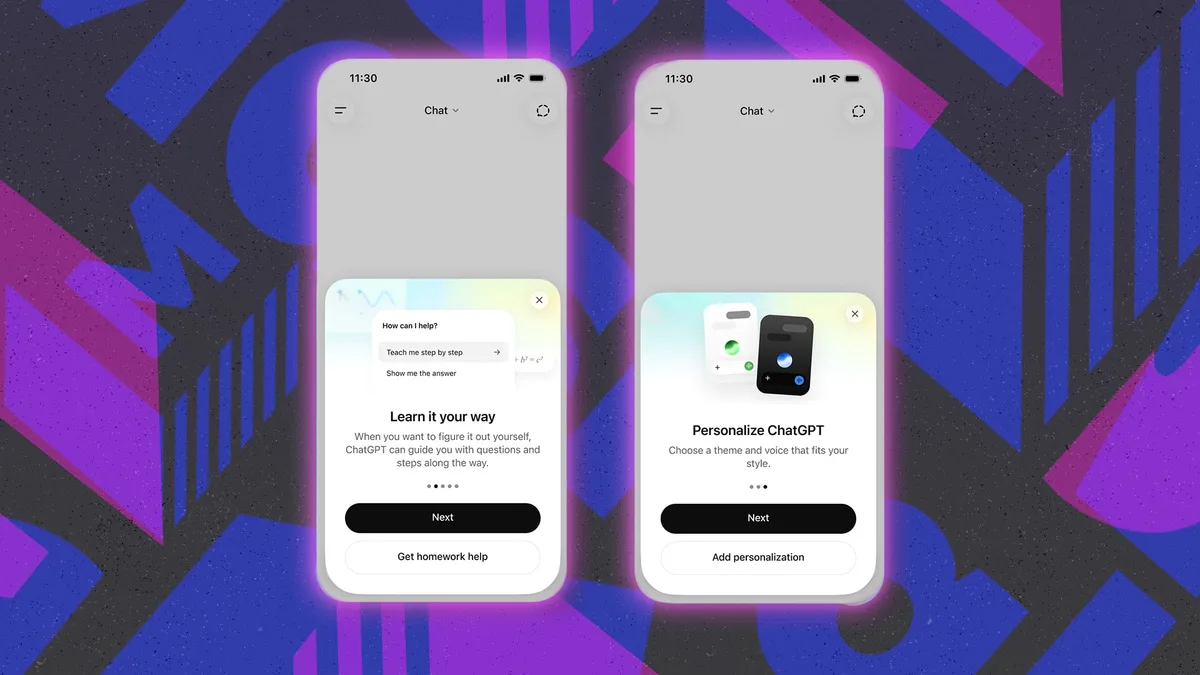
What is ChatGPT for Teens like? ChatGPT for Teens incorporates existing safety measures for minors and introduces new learning and well-being features.
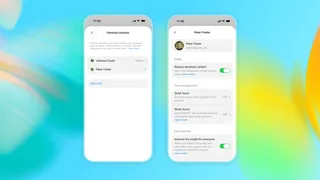
The product offers frequent break prompts, reminders that users are interacting with AI, warnings against uploading sensitive images, and parental notifications when users discuss acts of violence.
OpenAI said ChatGPT for Teens shouldn't use romantic language, suggest that it possesses feelings or consciousness, or foster emotional dependence.
"If they are not engaging in learning-focused content, the goal is to continue to bolster the age-appropriate experience and the safeguards," Jonas told Mashable.
She added that, moving forward, all starter prompts in ChatGPT for Teens will be related to education rather than other personal topics.
The product includes new features like reminders to complete homework responsibly to prevent shortcuts and quizzes based on chat content or a user's notes.
5News aggregated this summary from the outlet’s public feed. The full article, with all the context, is on mashable.com — the content belongs to Mashable.