Trump trade enforcers deploy AI in tariff evasion crackdown
The Trump administration is developing an AI-powered “detective border” to crack down on trading partners suspected of enabling China to skirt tariffs on US imports.
In a report released Thursday, the White House Office of Trade and Manufacturing Policy accused dozens of countries of being part of China’s “ shadow transshipment network ,” sorting them “according to the scale of China-linked trade, the depth of their economic integration with China, and the weak-link advantages that make them susceptible to rerouting activity.” The values of these goods, described as flowing through third countries to evade levies on imports and other trade remedies, are based on analysis from two government and three private-sector sources.
AI supply chain firm Exiger provided a mid-range estimate of $75 billion in illegally transshipped goods between February 2025 and February 2026, which corresponds a loss of tariff revenue between $19 billion and $34 billion.
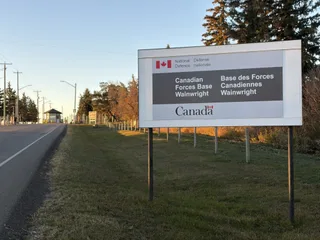
More than 40 countries are associated with elevated illegal transshipment risk, the report from White House trade adviser Peter Navarro’s office said, and “China’s biggest enablers range from Mexico and Canada on US land borders to the European Union, India, Japan, and South Korea.” “This is basically a warning to the world — don’t try to cheat America,” Navarro told Bloomberg Television on Thursday.
In addition to China preserving access to the US market counter to US trade policy, “the spoils of illegal transshipment also enrich the transshipping countries themselves,” the report said.
“Local firms capture assembly fees, warehousing revenue, logistics margins, port charges, customs brokerage income, land rents, and export-processing-zone investment.
Governments benefit from jobs, tax receipts, foreign investment, and trade growth.” Other named countries include Indonesia, Thailand and Brazil and Malaysia.
Still others are noted for comparative advantages that can be exploited, like the cost of labor, strategic port access, lax customs enforcement or free trade zones.
The trend isn’t new.
When President Donald Trump imposed high tariffs on exports from China in his first term, many businesses responded by diversifying their supply chains, moving some manufacturing outside of China when possible.
This so-called China +1 strategy spurred big investments in Vietnam, Cambodia and other countries, often by Chinese-owned factories.
Upon returning to office, Trump unleashed a wave of country-specific duties with some of the highest rates aimed at US allies and major trading partners.
Tens of billions of dollars in tariffs have hit compliant importers especially hard.
5News aggregated this summary from the outlet’s public feed. The full article, with all the context, is on fortune.com — the content belongs to Fortune.