NATO is shifting from air policing to a new ‘360-degree’ defense as drone and missile threats grow, official says
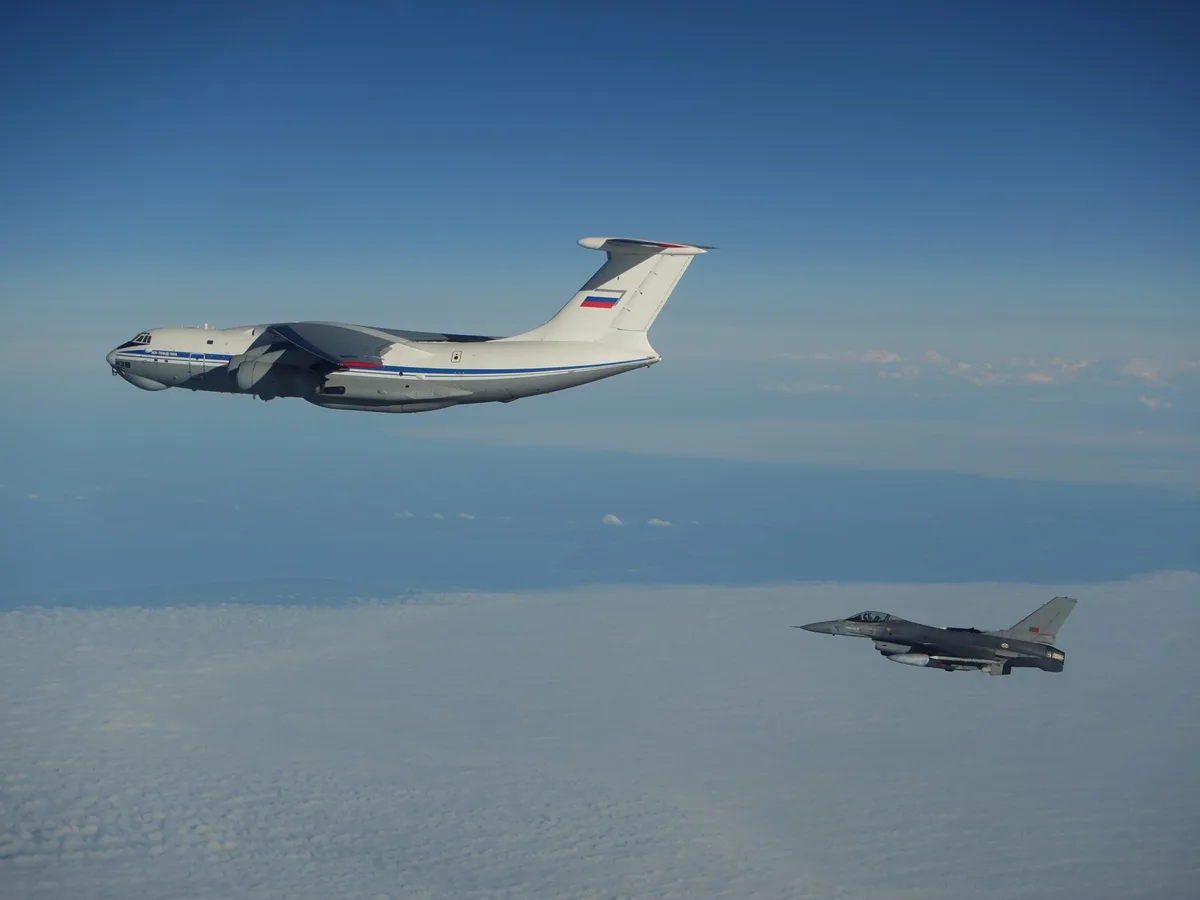
Fighter jets from a NATO air policing mission during an intercept of a Russian military plane earlier this year.
NATO Air Command NATO is rolling out a new approach to its air defense operations.
The focus is shifting away from air policing missions and toward a more holistic approach.
The transition, which began roughly a year ago, comes amid a rise in violations of NATO airspace.
NATO is pursuing a new approach to its air defense operations across Europe, shifting focus away from traditional air policing missions and toward a 360-degree strategy, an alliance official said.
The transition to a more comprehensive approach comes amid a rise in Russian drone incursions into NATO airspace this year.
Allied militaries have repeatedly scrambled fighter jets to track and sometimes shoot them down.
A NATO official told Business Insider that NATO's integrated air and missile defense strategy is changing from a framework focused on air policing to a "multi-layered, 360-degree approach" designed to address a range of threats.
The air policing missions involve keeping NATO fighter jets and crews at a high state of readiness so they can launch within minutes to protect allied airspace against potentially hostile crewed aircraft and drones.
The revised air defense framework is intended to protect NATO from "threats across all domains," including crewed aircraft, drones, and cruise and ballistic missiles, the official said this week.
They spoke on the condition of anonymity to discuss the sensitive strategic developments.
The new framework goes beyond scrambling fighter jets, missions that are more formally known as Quick Reaction Alert; it incorporates "assets and capabilities available across all operational domains," they said.
A Belgian F-16 takes off from Iceland during an air policing mission.
Denis Balibouse/REUTERS The revised framework includes QRA fighter jets, surface-based air defense systems, counter-drone equipment such as mobile firing teams and helicopters, and next-generation sensors that individual allies are contributing for placement under NATO command.
5News aggregated this summary from the outlet’s public feed. The full article, with all the context, is on www.businessinsider.com — the content belongs to Business Insider.