Why the Bomb Is Bad for Democracy
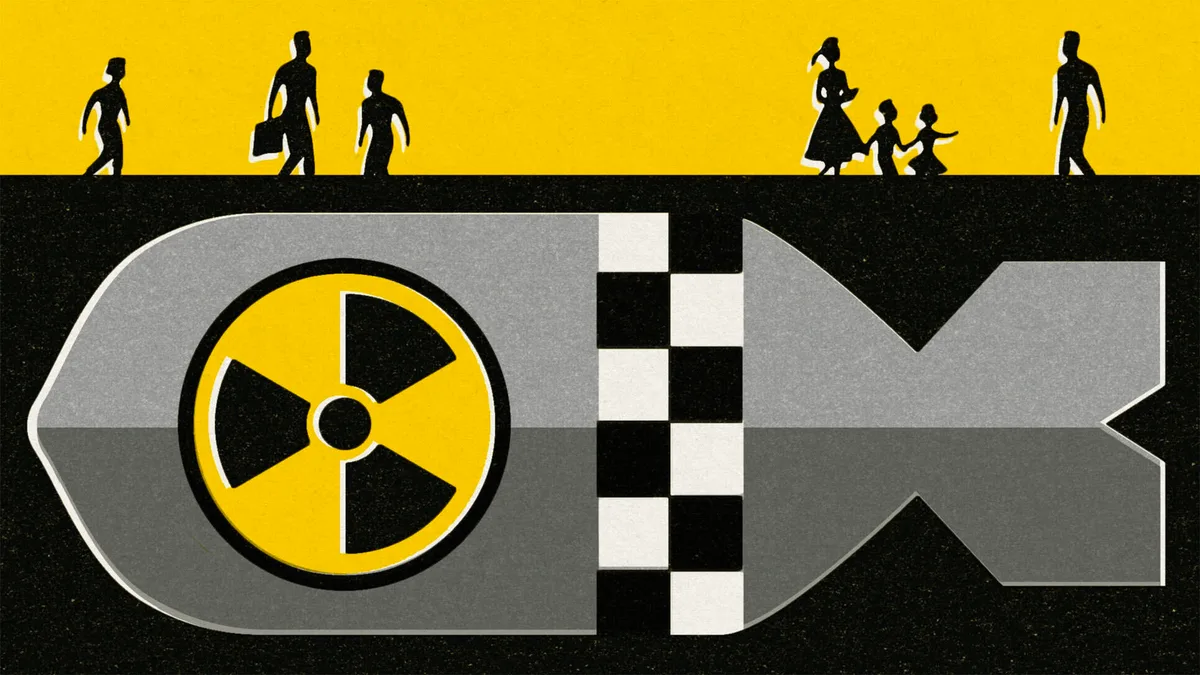
“In August of 1945, the city of Hiroshima was destroyed in about nine seconds by a single atomic bomb.” So begins the 1981 documentary The Day After Trinity , in a voice-over against a black background.
“The man responsible for building the bomb was a gentle and eloquent physicist named J.
Robert Oppenheimer.” Directed by a young filmmaker named Jon Else and financed by a public-television station in San Jose, The Day After Trinity quickly became a hit across the United States.
One of its innovations was to pair the story of the bomb with that of Oppenheimer, foregrounding the contradiction of this “gentle” pacifist giving the nation its greatest weapon of war.
As the historian David K.
Hecht has argued , Else’s film helped transform Oppenheimer from a Cold War political figure into a symbol of the profound moral dilemmas inherent in the nuclear age.
In the years since the documentary premiered, Americans have continued to view Oppenheimer (and, by extension, his bomb) through Else’s lens.
American Prometheus , the Pulitzer Prize–winning biography written by Kai Bird and Martin J.
Sherwin, repeatedly cites Else’s interview transcripts and largely replicates his approach.
Oppenheimer , Christopher Nolan’s blockbuster 2023 film adaption of the book, does much the same.
Now Else, at 82, has revisited the bomb, this time in a nonfiction book he’s been working on for 20 years.
Yet Frenchman Flat: The Rise and Fall of Atomic Bombs is not another story of the doomed Oppenheimer; Else relies on his own remarkable interviews from almost half a century ago but doesn’t focus on the scientist, and he declines to “relitigate the decision to drop the bomb” on Japan.
Neither is Frenchman Flat quite what its publisher is promoting, the “story of a single nuclear bomb” (a 37-kiloton nuke called Priscilla that exploded over Frenchman Flat , a dry lake bed in Nevada, in 1957).
That story, though compellingly told, disappears for whole swaths of the text.
5News aggregated this summary from the outlet’s public feed. The full article, with all the context, is on www.theatlantic.com — the content belongs to The Atlantic.