‘The Bear’ and the End of Prestige TV
This story was originally published in the University of Pennsylvania student publication 34th Street Magazine. Henry Metz is the winner of the Rolling Stone College Journalism Award in the Essays/Criticism Category.
The term “prestige television” used to mean big ambition and slow rhythm, as if each episode was a movie. The Sopranos , Mad Men , Breaking Bad — these were dramas about institutions, morality, and power, all told through the highest cinematic craft. Having cable access to such art felt too good to be true.
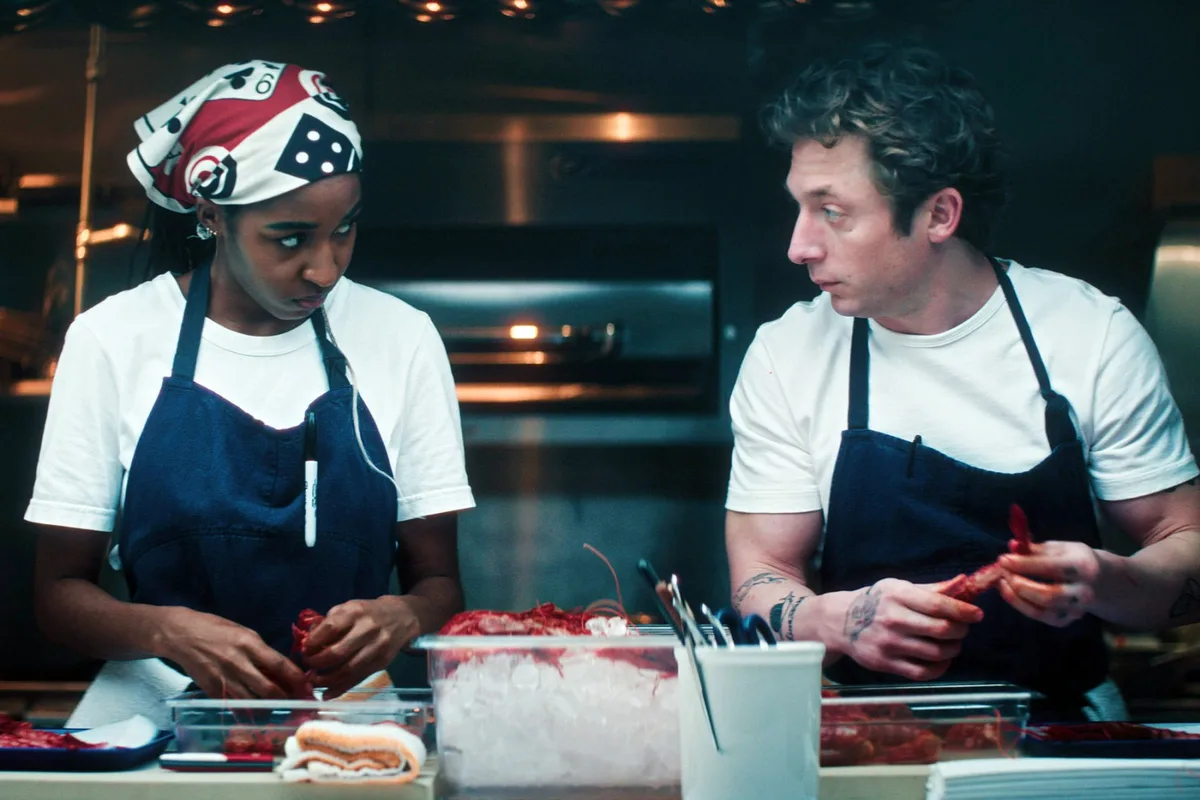
But while the visual language of prestige TV — handheld realism, long silences, and anxious scores — is still alive, the scale of stories has collapsed. Nowhere is that more apparent than with FX comedy-drama The Bear , which feels like the last gasp of the HBO-dominated prestige era. Its crises aren’t political or criminal; instead, they’re domestic and relentlessly small. The show’s tension lies in whether someone can function under pressure, not whether they’ll survive the story. Carmy (Jeremy Allen White) doesn’t represent moral decay or institutional rot, he represents exhaustion. Instead of mob hierarchies or corporate empires, systems that shape nations and collapse tragically, it’s a show about competence, burnout, and caring about your job to a violent degree. In an industry driven by shorter seasons, tighter budgets, and algorithm-tested audiences, interior struggle is safer than systemic critique.
This isn’t a knock on The Bear . It’s an observation of what modern TV has become. What started as a revolution has calcified into an aesthetic. HBO used to chase grandeur; now it chases mood. Apple TV, FX, and Netflix all compete to produce “serious” shows about personal damage, framed with the same solemn tone that once belonged to organized crime or high finance. Adolescence , The Morning Show , Station Eleven , True Detective — each borrows the visual grammar of prestige but applies it to smaller, more contained stakes. The camera still lingers, the music still aches, but the urgency is gone. The form has become shorthand for importance — a promise of depth via visuals even if the story no longer reaches for it. Editor’s picks The 250 Greatest Albums of the 21st Century So Far The 100 Best TV Episodes of All Time The 500 Greatest Albums of All Time 100 Best Movies of the 21st Century
The original wave of legendary prestige dramas came from writers trying to prove that television could rival cinema. The Sopranos followed Tony Soprano (James Gandolfini) for years, not hours. Viewers didn’t see a single crisis, they saw relapse, stalled growth, and therapy sessions where insight didn’t fix behavior. Across six seasons, Tony shifts in small increments—his panic attacks, resentment toward his mother, guilt over violence—and all of his change feels realistically uneven because of the time it took to get there.
Game of Thrones applied the same logic on a massive scale. The series tracked noble houses across continents; alliances formed, fractured, and reformed over eight seasons. Characters like Daenerys Targaryen (Emilia Clarke) moved from victim to liberator to tyrant.
5News aggregated this summary from the outlet’s public feed. The full article, with all the context, is on www.rollingstone.com — the content belongs to Rolling Stone.