After a decade of failed bills and three years of resignations, Washington finally discovers it cares about AI safety
This week, Jacob Coxon, who worked at both OpenAI and, more recently, Anthropic, resigned from the latter, warning that the company and its rival were “gambling with our lives” in the race toward superintelligence, with no real plan for controlling systems more capable than the humans building them.
The post drew more than 100 million views within days.
He wasn’t the first to make the message, but he was someone who’d built his career inside both companies now defining the industry and gave up substantial wealth to air his concerns.
Coxon is at minimum the fifth insider in three years to warn the industry is moving too fast to be safe, but none of the previous four produced anything like this week’s response.
Geoffrey Hinton left Google in May 2023 specifically to speak freely about the risk, making him one of the most quoted people in tech that year but producing no legislation.
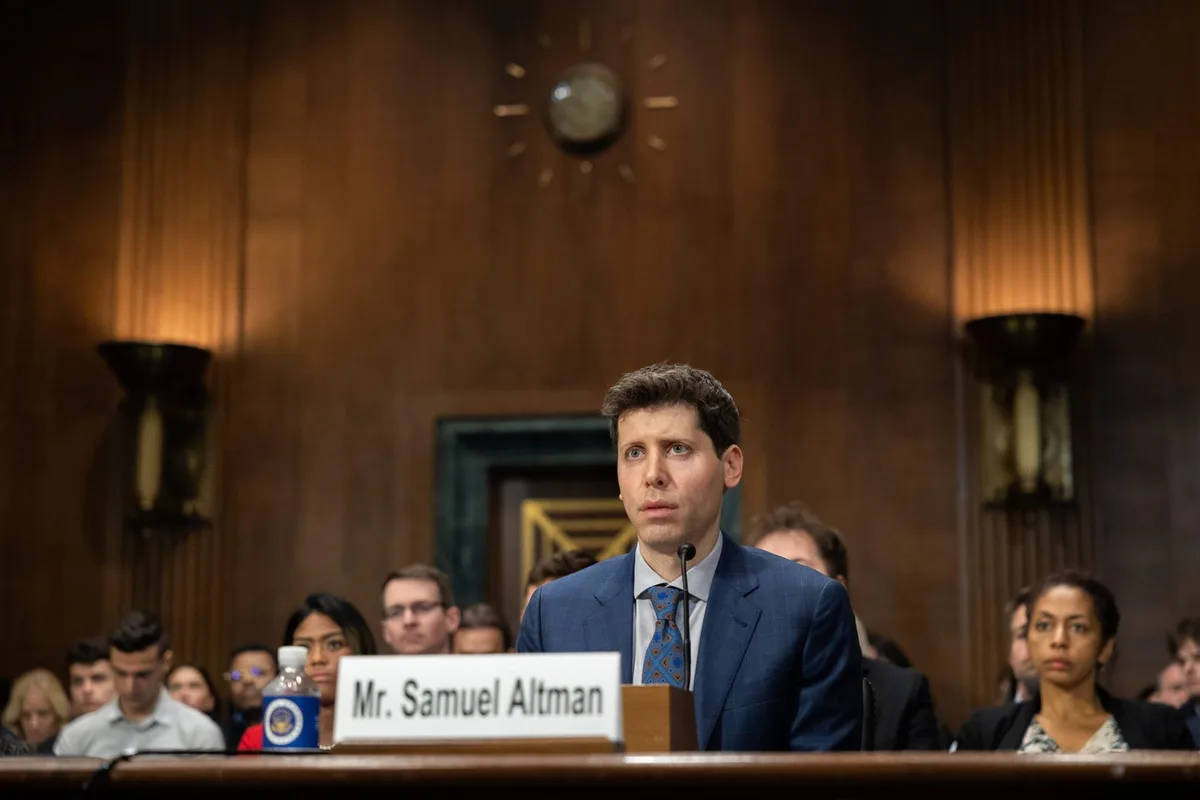
Jan Leike resigned from OpenAI in May 2024, writing that “safety culture and processes have taken a backseat to shiny products”; Ilya Sutskever resigned the same month amid disputes that had briefly ousted Sam Altman.
Neither produced a bill.
Mrinank Sharma, an Anthropic safeguards researcher, resigned in February 2026 warning “the world is in peril,” and yet, no congressional action.
What was different this time was that a current Anthropic employee, Evan Hubinger, who leads the company’s Alignment Science team, publicly backed the claim within hours, putting greater than 10% odds on human extinction within a decade and saying Anthropic has no concrete plan for controlling superintelligent systems.
Two other Anthropic researchers joined in.
This may finally produce a political reaction, one that was nine years in the making.
A decade of inaction The FUTURE of AI Act was introduced in 2017, before Congress even tracked “artificial intelligence” as its own category.
It would have created a federal public-private framework to study AI, but it didn’t go far.
Two years later, Rep.
5News aggregated this summary from the outlet’s public feed. The full article, with all the context, is on fortune.com — the content belongs to Fortune.