Scoop: Inside Trump's secret backchannel to Iran's Revolutionary Guard
In mid-May, U.S. negotiators trying to reach a deal with Iran to end the war ran into a problem: They couldn't tell if the people across the table actually spoke for the country's powerful Islamic Revolutionary Guard Corps (IRGC).
So Trump administration officials did something unconventional — they went around Iran's negotiators and reached out directly to IRGC leadership.
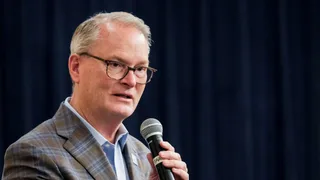
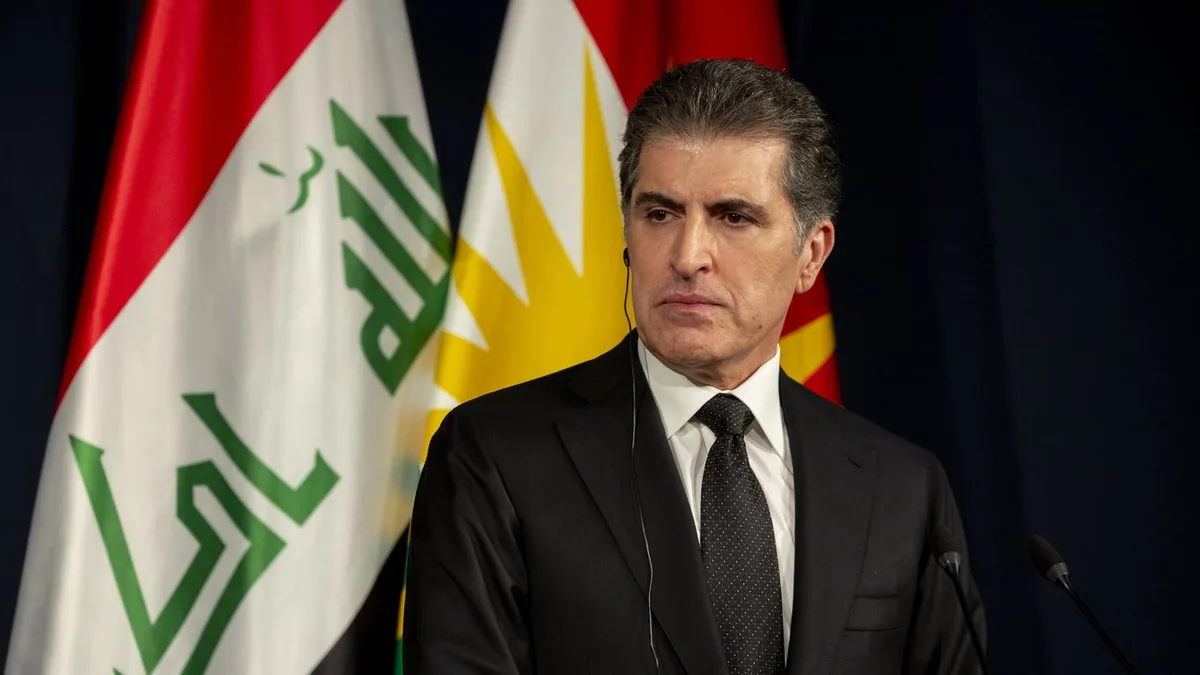
The person they tapped for the backchannel was Nechirvan Barzani, the president of the Kurdistan region in Iraq, who had something very few others do: the trust of both U.S. and IRGC leaders.
Why it matters: The episode, which was detailed by three sources with direct knowledge and has not been previously reported, shows how tricky it's been for the U.S. to negotiate with a country where Washington isn't sure who exactly is in charge.
The U.S. and Iran did reach a memorandum of understanding, but it quickly collapsed.
The Trump administration's key problem today and in any future negotiation will be to make sure it's talking to the people who are actually calling the shots.
That also means finding mediators who are trusted by both the White House and the Iranian regime.
The big picture: The war upended Iran's leadership.
The assassination of Supreme Leader Ali Khamenei and other senior political leaders — and the 40 days of fighting that followed — dramatically strengthened the IRGC's grip on the levers of power, including national security and foreign policy decision-making.
Uncertainty surrounding new Supreme Leader Mojtaba Khamenei's condition during the first few weeks of the war and his absence from public view further strengthened IRGC commanders.
Flashback: After an April 8 ceasefire and a summit in Islamabad days later, the U.S. and Iran tried to negotiate an end to the war.
In early May, the White House felt it was closing in on a deal, but Iran delayed its response for more than 10 days.
White House negotiators started to think that Iranian negotiators — Parliament Speaker Mohammad Bagher Ghalibaf and Foreign Minister Abbas Araghchi — were not empowered to cut a deal and were being overruled by the IRGC.
Driving the news: The White House realized it needed a backchannel to IRGC leadership.
5News aggregated this summary from the outlet’s public feed. The full article, with all the context, is on www.axios.com — the content belongs to Axios.