Why Fauda Is So Popular in the Arab World
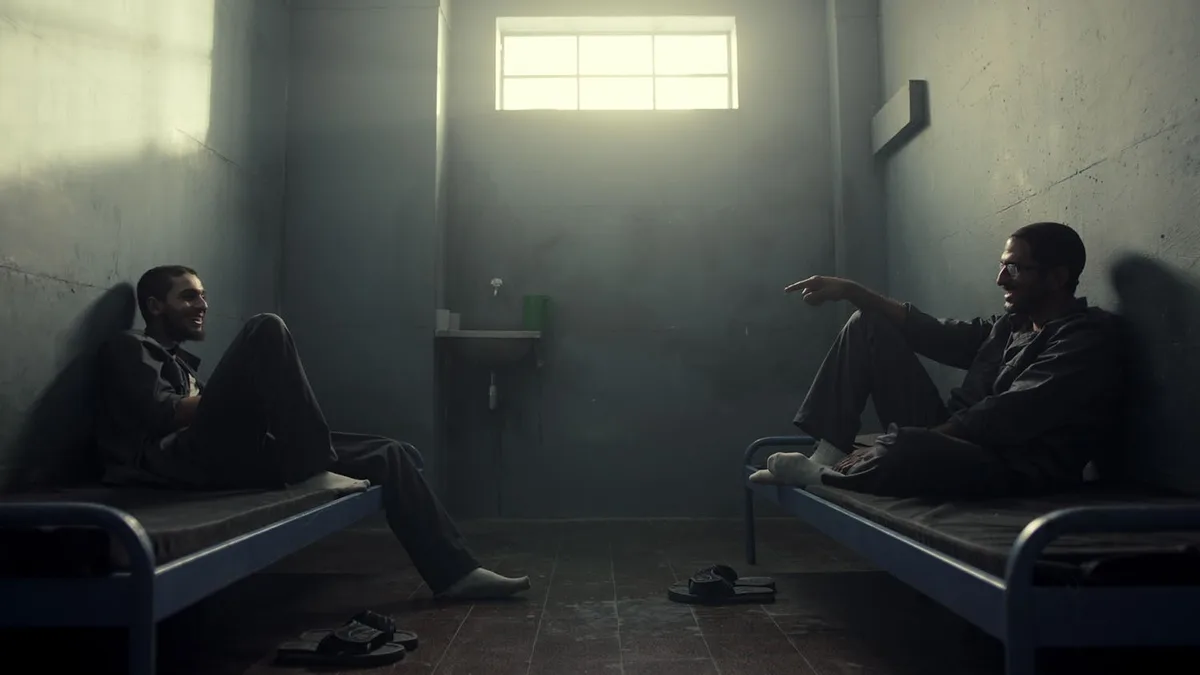
Before this week, I’d never watched an episode of Fauda , the Israeli-made, Netflix-distributed counterterrorism thriller.
The show stars Lior Raz as Doron Kabilio, an undercover Israeli mista’arvim (Arabic-speaking) operative who over the course of the show infiltrates various Hamas and Hezbollah cells.
What drew me to binge all 59 episodes in less than a week was the news that the show had catapulted into Netflix’s Top 10 across a range of Arab countries.
In the second week of September, it was the No.
1 show in Lebanon, No.
4 in both Jordan and Qatar, No.
5 in the United Arab Emirates, and No.
9 in Kuwait.
For any Israeli drama—much less one about undercover operatives apprehending (and often killing) Palestinian and Lebanese militants—to become a hit across the Arab world is remarkable.
For it to happen in a season partially devoted to the events of October 7, 2023, and their aftermath is nothing short of astonishing.
Cross-pollination between Israel and the Arab world has been limited ever since Israel’s independence in 1948, with only six out of the 22 Arab states even recognizing Israel’s existence as a state.
But although negative tropes and stereotypes about Israelis and Jews have been commonplace for decades across the Arab world, that doesn’t necessarily preclude people having a human interest in seeing the other side, or hearing its side of the story.
Fauda is also a show with a large and diverse cast of multifaceted Palestinian characters, with their own dilemmas, backstories, and motivations. [ Read: Watching Israeli TV’s Fauda as a Palestinian ] What I took away from the early seasons was a sense of sorrow at the circumstances of life for Israelis and Palestinians, dwelling amid the chaos.
I’m Palestinian myself; my father was one of 10 siblings from a rural village in the West Bank.
5News aggregated this summary from the outlet’s public feed. The full article, with all the context, is on www.theatlantic.com — the content belongs to The Atlantic.