Putin Hit by Record Disaster as Humiliating Crisis Escalates
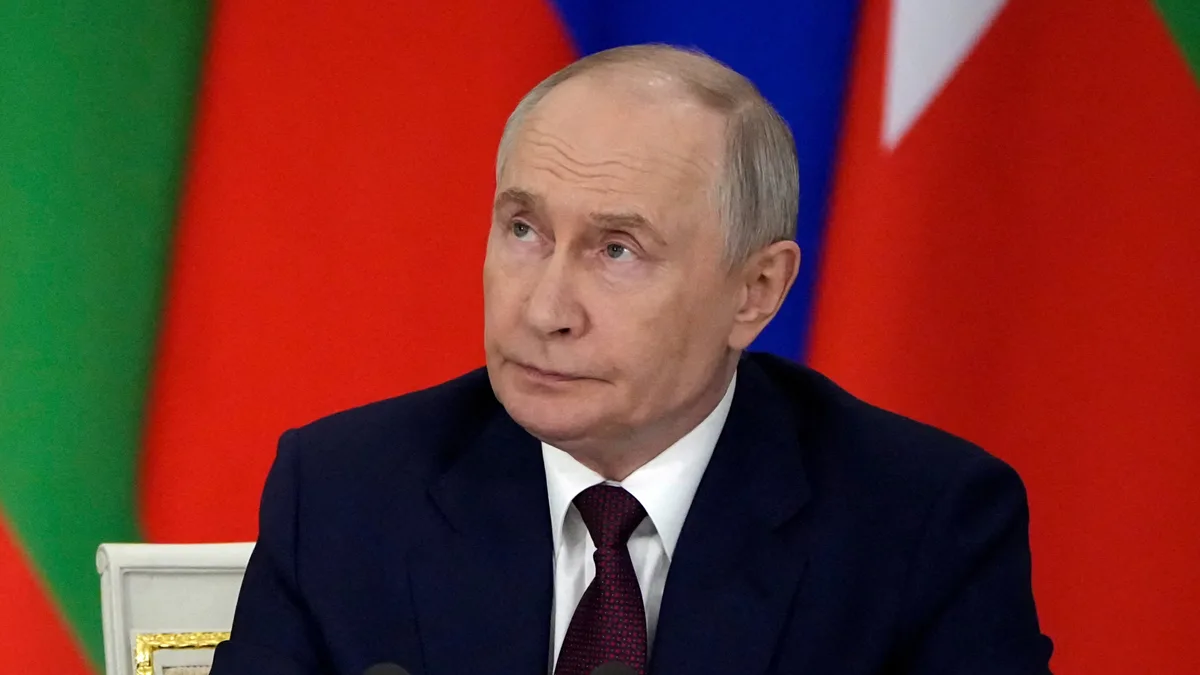
Alexander Zemlianichenko / via REUTERS Ukrainian forces have attacked Russian oil refineries at least 21 times so far in August, destroying the country’s fuel supplies and creating widespread gas shortages.
The attacks are the most of any single month since the war began, according to a tally of public statements from both countries, Bloomberg reported .
The strikes have crippled Russian gas supplies and caused long lines across the country as people share tips on social media for where to find the scarce and essential resource.
Shortages are even affecting Moscow and its surroundings, which is typically Russia’s best-supplied region.
According to Bloomberg, Moscow residents are posting in neighborhood group chats to help each other find the best places to get gas.
Fuel rationing is in place throughout the country.
Russians are reportedly reluctant to pay 100 rubles or more (around $1.2 USD) for a liter of fuel from independent stations, and are instead queuing at stations run by the major oil companies operating their own refineries with direct access to fuel where gas is under 80 rubles a liter.
One gallon is around 3.7 liters.
Over the course of the war launched nearly five years ago by President Vladimir Putin, Ukraine has continued to ramp up attacks on Russian fuel supplies, aiming to reduce access to the commodity and apply pressure on Putin to end the war.
As fuel supplies have shrunk, so too has public approval for the quagmire.
Russia’s major pollsters, including state-backed VCIOM and FOM and independent pollster Levada, have recorded a decline in public support for Putin’s war.
But Russians are complaining on social media and to media organizations about the conditions on the ground.
One Moscow resident told Deutsche Welle about a recent attempt to refuel late at night, covering around 24 miles in search of stations with gas.
“If there is gas anywhere at all, there’s a massive queue of 50 to 100 cars,” the unnamed Muscovite said.
5News aggregated this summary from the outlet’s public feed. The full article, with all the context, is on www.thedailybeast.com — the content belongs to The Daily Beast.