Why is France Burning?
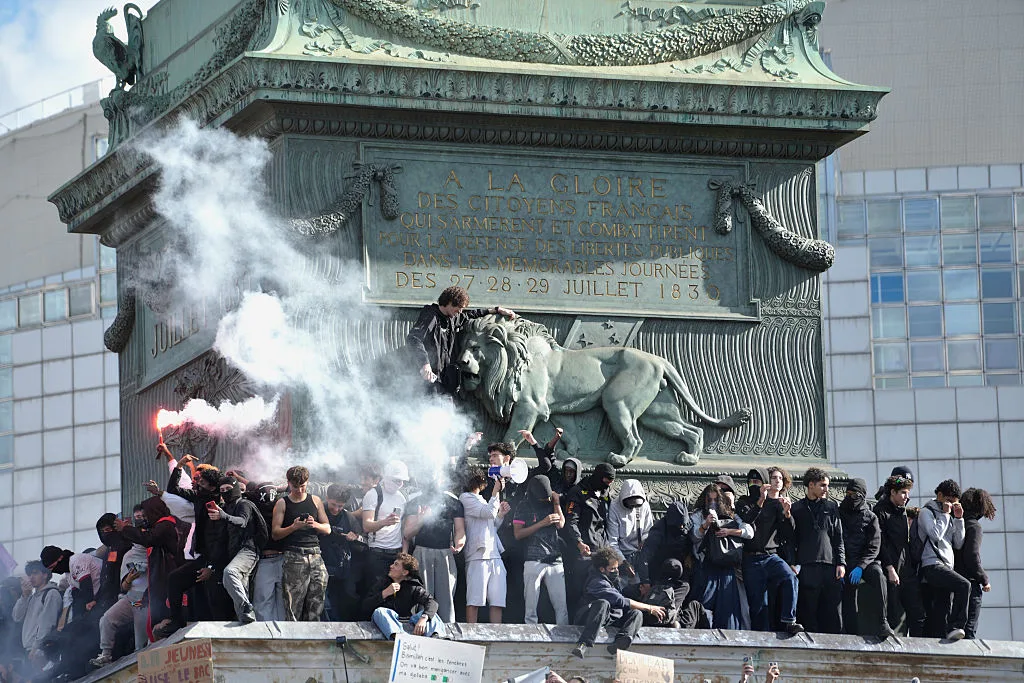
Young protesters at Place de la Bastille on October 08, 2026 in Paris, France. —Remon Haazen-Getty Images The French like to take to the streets, and they do it often.
On Sept.
17, students at Lycée Saint-Exupéry, a rather underprivileged high school in the Paris suburb of Créteil, erupted in protest over the abysmal conditions of their institution: chronic shortfall of teachers, poor facilities, long declining quality of education.
Two weeks later, a wave of protests had swept cities across France.
Students from hundreds of schools and scores of universities joined the protests , backed by their parents, teachers, and trade unions.
More than 160,000 students and trade unionists protested across France on Tuesday in the third week of demonstrations.
France has never seen so many violent incidents in a movement made up largely of high school students.
So far, over 200 students , 85 school staff, and 700 police officers have been injured in clashes across the country.
Protesters have broken into schools and, in some cases, set fire to occupied or blockaded buildings.
On Oct.
5, a 15-year-old boy had his hand blown off by a police grenade during a protest in Lens in northern France, an incident that crystallized the heavy-handed response authorities had adopted from the earliest days of the protest.
More than 6,000 protesters have been arrested , most of them minors, and later released without charge.
The protests erupted after nearly a decade of Macronisme , the right-of-center, top-down governing style that President Emmanuel Macron of France incarnates.
And they express a broader discontent: anger over disparities in school quality, university admissions decisions, and latent racial discrimination, and a sense among young people that those in power were not listening to them, that the country offered them little hope for the future.
5News aggregated this summary from the outlet’s public feed. The full article, with all the context, is on time.com — the content belongs to TIME.