Scouted: I Tried a Red Light Vibrator for a Month—Here Are My Thoughts
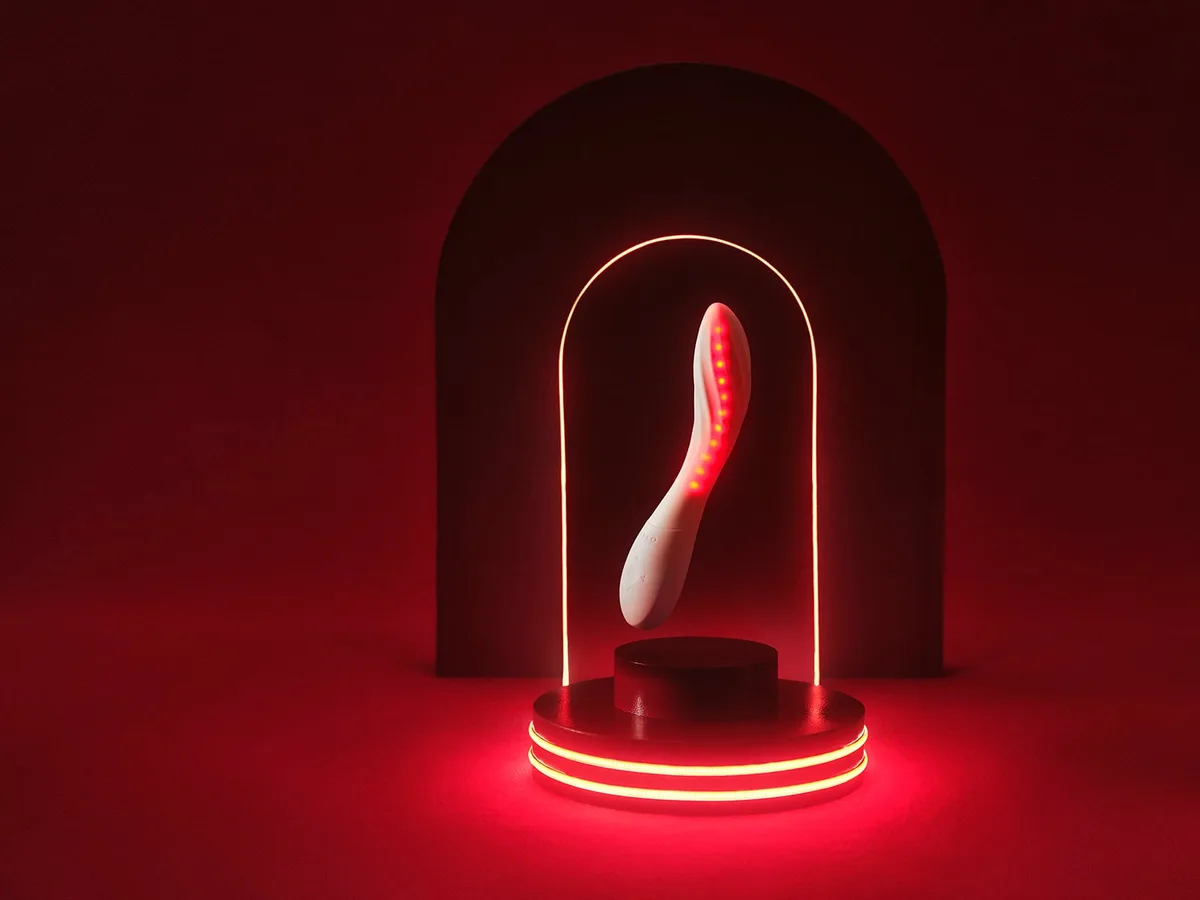
Lelo.
Scouted selects products independently.
If you purchase something from our posts, we may earn a small commission.
When I first heard that Lelo was launching a red light therapy- or LED-style version of its Mona vibrator, I immediately woke up the appropriate group chat.
“It’s happening,” I texted my friends, “sex toys, skincare, self-care.
The Venn diagram is finally fusing.” I signed my Paul Reverian text with a string of semi-incomprehensible emojis, and was met with equal parts skepticism (“why use red light therapy on your vagina?”) and enthusiasm (“I’m so in, but do they take Klarna?”).
As a 35-year-old woman who is increasingly interested in boosting both my pelvic floor health and personal pleasure, I knew I had to give it a spin and report back.
Here are my honest notes after more than a month of using Lelo’s new marquee vibrator —the good, the (sometimes) confusing, and the surprising.
Why make a red light sex toy? Vaginal LED devices have been around for over a decade, albeit in more niche wellness spaces.
Even so, as someone who has been reviewing sexual wellness goodies for years, I had yet to see a sex toy brand with Lelo’s luxury pedigree (the Swedish sex toy company regularly rakes in design awards ) bridge the gap between two wellness industries.
I’m already a big fan of red light therapy in skincare.
I can only speak for myself, but years of using the technology during facials have helped reduce my acne scarring and given my skin a more Jane Austen-y glow.
And I’m not alone: Red light therapy has transformed into a multi-billion-dollar addition to the skincare industry over the years.
As Scouted previously reported , the technology actually began in the 1990s when NASA organized studies on its benefits for humans after observing how red light or near-infrared light could help skin heal; the studies found that it was capable of boosting collagen production, blood circulation, and encouraging cell turnover .
5News aggregated this summary from the outlet’s public feed. The full article, with all the context, is on www.thedailybeast.com — the content belongs to The Daily Beast.