Mark Carney told middle powers to grab a seat at the geopolitical table. The private sector got there first
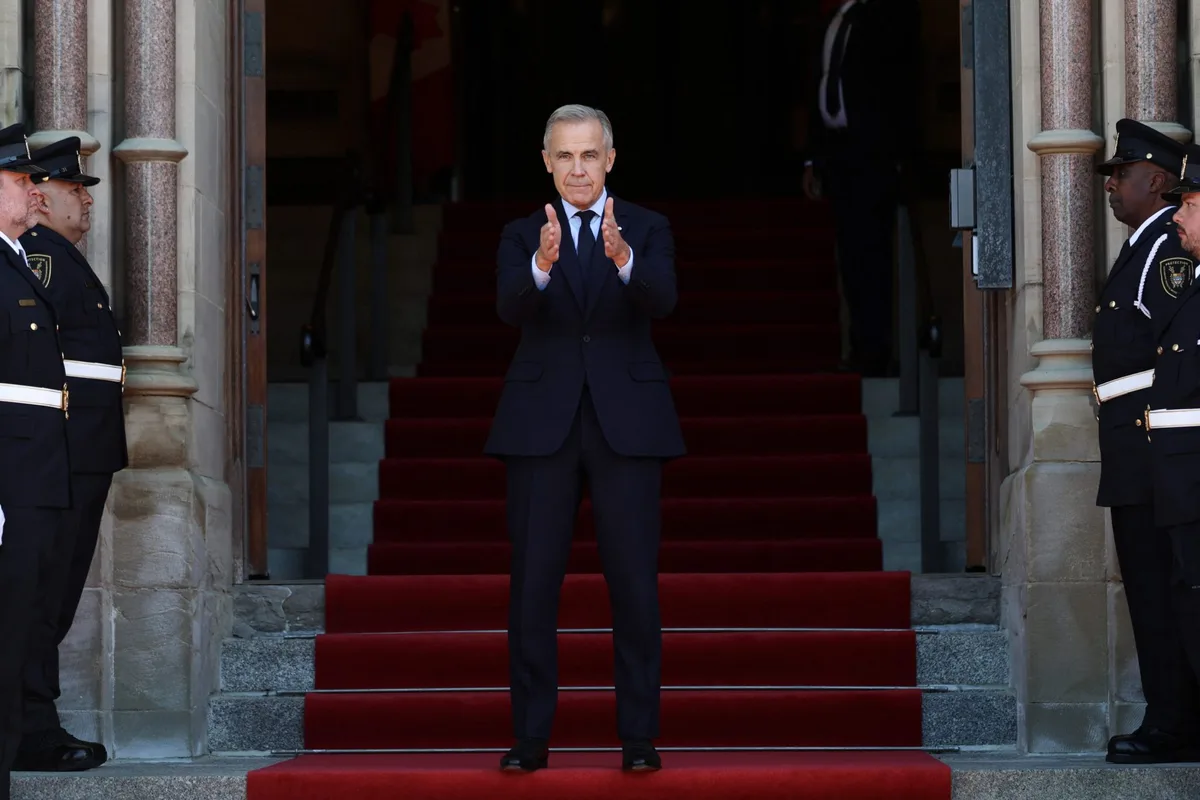
Middle powers are trending.
Since Canadian Prime Minister Mark Carney warned the world’s middle powers at the World Economic Forum in Davos in January to get “at the table” or else end up “on the menu,” a movement has gathered momentum—built on the optimism that the way through today’s geopolitical uncertainty runs through the middle.
This vision rests on a flawed premise.
The middle powers argument assumes the nation-state is still the primary actor in great-power competition .
This is not the case.
The competition ahead will be one where private-sector actors already are, and will keep, pursuing global power.
This is not a moment of national dominance.
It is the dawn of multi-stakeholder geopolitics—and middle powers are arriving late to the table after the private sector got there first.
Nvidia now has a market capitalization that sits just below Germany’s annual GDP and just ahead of Japan’s.
Apple’s ranks below Japan but above India.
Amazon’s is wedged between Canada and Brazil.
After decades where public policy shaped and constrained private firms, corporations are now setting priorities, building bridges, and leading on global challenges.
Biotech firms developed and distributed the mRNA vaccines that helped end the COVID-19 pandemic.
The world’s electronics, consumer products, and innovation sectors run on the output of Taiwan Semiconductor Manufacturing Company, the Taiwanese chipmaker.
5News aggregated this summary from the outlet’s public feed. The full article, with all the context, is on fortune.com — the content belongs to Fortune.