Hormuz crisis hides a deeper oil threat that could outlast the war
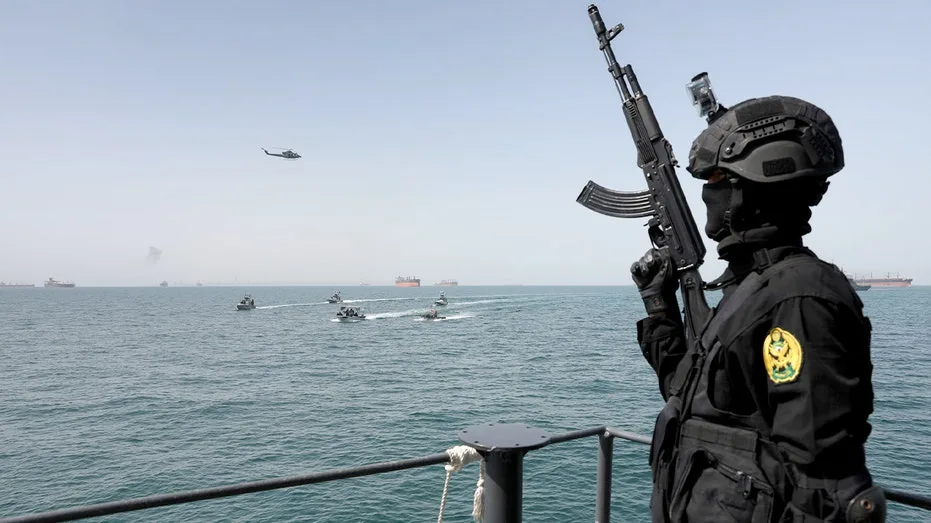
As global attention remains fixed on tankers moving through the Strait of Hormuz , a petroleum geologist is warning that the more consequential energy story may be unfolding thousands of feet underground — and could continue long after any political agreement ends the fighting.
Art Berman, a petroleum geologist and energy consultant with more than four decades of industry experience, told Fox News Digital that millions of barrels of Persian Gulf oil production remain shut in and warned that restoring those wells is far more complicated than simply reopening the strategic waterway.
"This is potentially a kind of a world-changing event, even if we resolve the political issues," Berman said.
"The bigger story and the more important one long term is that 8 million barrels of Persian Gulf production is currently shut in and world production is down about 10 million barrels a day," Berman explained.
"We can move tankers around and we can obsess about, you know, are there 4 million barrels getting through or are there 6 million or 9 million or whatever the right number is," he added.
"But eventually, those tankers have to be filled with oil." A White House official, speaking on background, pointed to the sharp decline in oil prices following the signing of the MOU and said the Strait of Hormuz is open, with the U.S. naval blockade in full effect.
Berman's estimate of Gulf shut-ins is broadly consistent with the latest assessment from the International Energy Agency.
The IEA said in its Aug.
12, 2026, Oil Market Report, "Gulf oil production rose by a further 2.5 mb/d in July to 23.9 mb/d, still 8.3 mb/d below pre-war levels." Global oil supply remained 6.3 million bpd below year-earlier levels, according to the agency.
The U.S.
Energy Information Administration offers a somewhat different estimate.
EIA assessed production shut-ins at an average 5.5 million bpd in July, while warning that continuing constraints on Hormuz transit had forced the agency to increase its forecast for shut-in production in August.
EIA expects production and trade patterns to generally return to pre-conflict conditions in early 2027, but says some Gulf producers may not regain their previous output during its forecast period.
The distinction is important because much of the public discussion has centered on what the industry calls the midstream problem — whether tankers can safely transport oil through Hormuz — while Berman argues that the upstream problem of producing the oil itself could prove more enduring.
5News aggregated this summary from the outlet’s public feed. The full article, with all the context, is on www.foxnews.com — the content belongs to Fox News.