CIA declassifies dozens of never-before-seen 9/11 documents
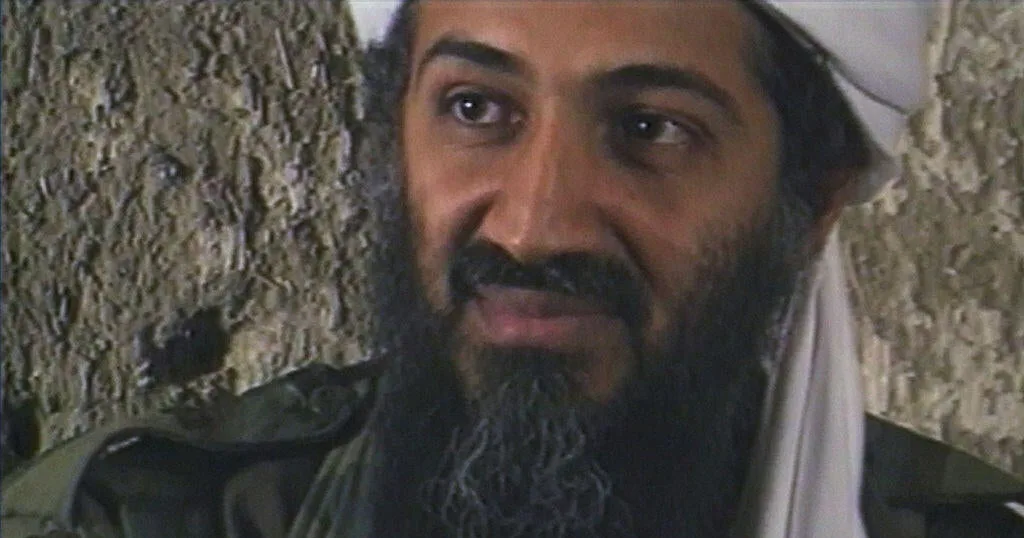
Washington — The CIA on Friday released 71 intelligence reports from the months and years leading up to the 9/11 terrorist attacks, providing a new look at what the spy agency told two presidents about al Qaeda and Osama bin Laden before the deadly strikes.
The trove of documents includes assessments prepared by analysts for the President's Daily Brief, which is distributed to the president and senior administration officials. The release, which coincided with ceremonies marking 25 years since the attacks, includes 70 documents from before the 2001 attacks and one report from the day after. Two of the documents had previously been made public during the course of the investigation by the 9/11 Commission, the body established by Congress to examine the attacks.
CIA Director John Ratcliffe said the disclosure was "the single largest release of CIA analysis related to 9/11 ever."
"25 years ago, the 9/11 attacks struck a blow to our Nation, but they did not break us. Generations of CIA officers have since dedicated their careers to securing justice for our fallen Americans and ensuring al-Qa'ida would never again harm our country," Ratcliffe said in a statement.
The new documents show the extent to which the CIA was aware of bin Laden and his followers' determination to strike the U.S. in the years leading up to 9/11. The assessments were included in the PDB given to Presidents Bill Clinton and George W. Bush. Nearly all the documents released Friday include redactions.
The earliest document was dated Feb. 13, 1998 . It said that bin Laden and other Islamic extremists "met [redacted] and agreed to procure unspecified chemical, biological, and nuclear substances from open markets." The report said that bin Laden "has legitimate companies, business relationships, and a financial empire that could assist his pursuit of" the weapons.
Bin Laden and his fighters were based in Afghanistan, under the protection of the Taliban. Several of the documents describe the Taliban's motivations in harboring bin Laden, and detail bin Laden's growing role in Afghanistan's drug trade. An October 1999 report said he had "made a substantial investment in 57 narcotics laboratories associated with" Mullah Omar, the head of the Taliban, and had recruited experts "to develop more addictive drugs — possibly ecstasy or methamphetamine." (The 9/11 Commission later found "no reliable evidence that Bin Ladin was involved in or made his money through drug trafficking.")
Another report from February 1998 said that bin Laden and others had issued a fatwa "calling for all Muslims to attack US interests and civilians worldwide until the US 'retreats' from Saudi Arabia and 'Palestine.'"
A Sept.
5News aggregated this summary from the outlet’s public feed. The full article, with all the context, is on www.cbsnews.com — the content belongs to CBS News Politics.