Four firms control more than half of the world’s seed supply. Italian farmers are fighting back and returning to the bartering system
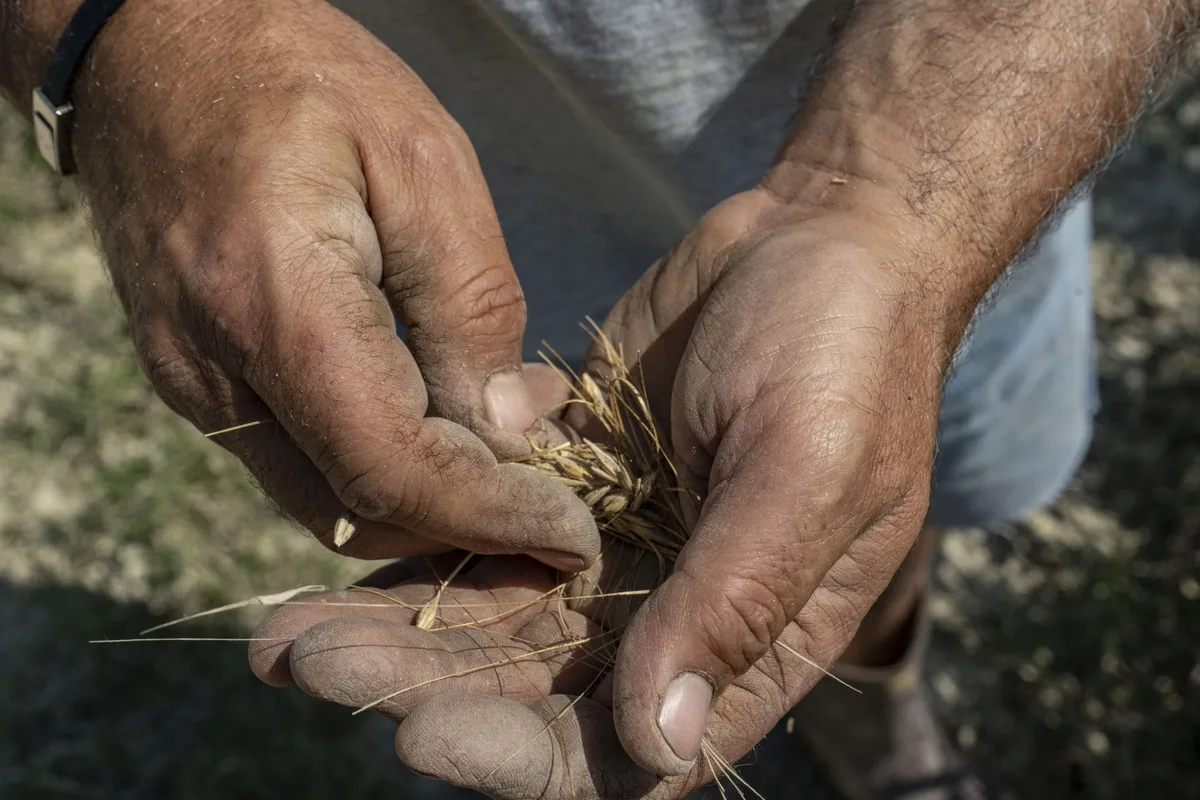
A farmhouse in the Marche hills doesn’t look like the front line of a fight against four of the world’s biggest agrochemical companies.
But that’s what it became on Aug.
7, when a five-year-old Italian farming network gathered there to teach people how to save, trade, and pass down seeds no company can patent.
And the stakes are high: Farmers can be sued for replanting patented seeds.
The event came together in less than a month and sold out in a week after a single Facebook post drew more than 1,600 sign-ons in days.
It pointed to a growing pain point for farmers: Bayer , Corteva , Syngenta, and BASF now control 56% of the world’s commercial seed market and 61% of its pesticide market, with Bayer alone holding 23% of global seeds.
Economists typically flag 40% combined share among a sector’s top four firms as the point where market distortions start, and 60% as the threshold that draws heightened antitrust scrutiny.
The entire farming industry already sits at or above that line.
The Rete per l’Agricoltura Naturale, or RAN, calls its project the Casa Diffusa dei Semi, or Distributed Seed House: a network of growers who save, reproduce, and share seeds free of patents and genetic modification, built as an alternative to the corporate seed system.
Antonio Lo Fiego, an agronomist and technical director at Arcoiris Sementi Bio, led the first workshop, on selecting, gathering, and preserving vegetable seeds, run on a gift-economy model with no fee to join.
RAN says it plans to run the workshop again in future seasons, alongside the rest of a 2026 calendar that’s been selling out within days of opening.
Over half of the world’s seed supply are controlled by four firms.
Antonio Masiello/Getty Images How four firms ended up owning the world’s seeds Thanks to a small number of mergers that reshaped the industry within a decade, more than half of the world’s seed supply now sits within just four companies’ hands.
Dow and DuPont combined their agricultural divisions into Corteva, while China National Chemical Corporation bought Syngenta, then merged it with Sinochem’s farm assets.
5News aggregated this summary from the outlet’s public feed. The full article, with all the context, is on fortune.com — the content belongs to Fortune.