‘I told you so’: China’s chip sector is making breakthroughs—and U.S. export controls are the reasons why
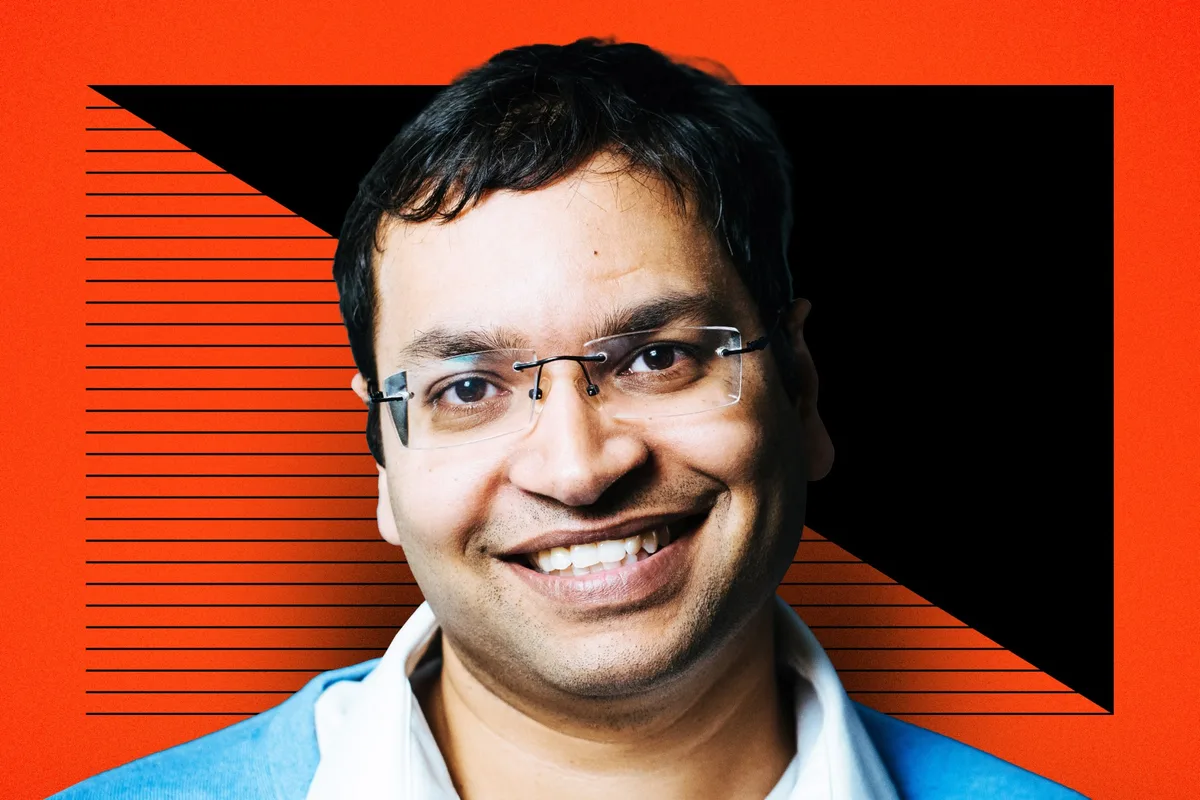
“I’m not going to say ‘I told you so,'” says Rakesh Kumar.
“But it really is ‘I told you so.'” Kumar, a professor of electrical and computer engineering at the University of Illinois Urbana-Champaign and author of Chip Age: How Semiconductors Became the World’s Most Powerful Resource , has spent four years as one of Washington’s most persistent academic critics of its attempt to freeze China’s chip industry.
Days before the Biden administration unveiled its sweeping export controls on advanced chips and chipmaking equipment in October 2022—restrictions that have been expanded repeatedly since—he warned in Fortune that the crackdown would not work.
“You can’t win an important race by hoping to trip your opponent, especially when there are significant costs to doing so,” he wrote.
“A far better strategy is to run faster.” Four years later, the controls don’t seem to have worked.
Chinese processors are closing the gap with their U.S. rivals; the country’s AI models already match some of the U.S.’s best models.
Kumar’s first question is what the controls were ever supposed to achieve.
“For most applications of AI, you don’t need the most advanced chips,” he tells Fortune .
Robotics, smart cameras, and other widely used AI applications don’t require the most advanced silicon.
And by cutting China off, Washington gave Beijing every reason to build its own alternatives.
“Export controls spurred China to invest all this money to set up an ecosystem where they can now serve these applications by themselves,” Kumar says.
“Not only have export controls failed in that sense, but they’ve had the opposite effect.” Huawei—once on the brink of death under U.S. sanctions—is now releasing premium smartphones and AI processors.
On Oct.
13, it said it had shipped more than 100 million devices powered by its homegrown Kirin processors since 2023.
5News aggregated this summary from the outlet’s public feed. The full article, with all the context, is on fortune.com — the content belongs to Fortune.