Congress Is Headed for a Massive Turnover
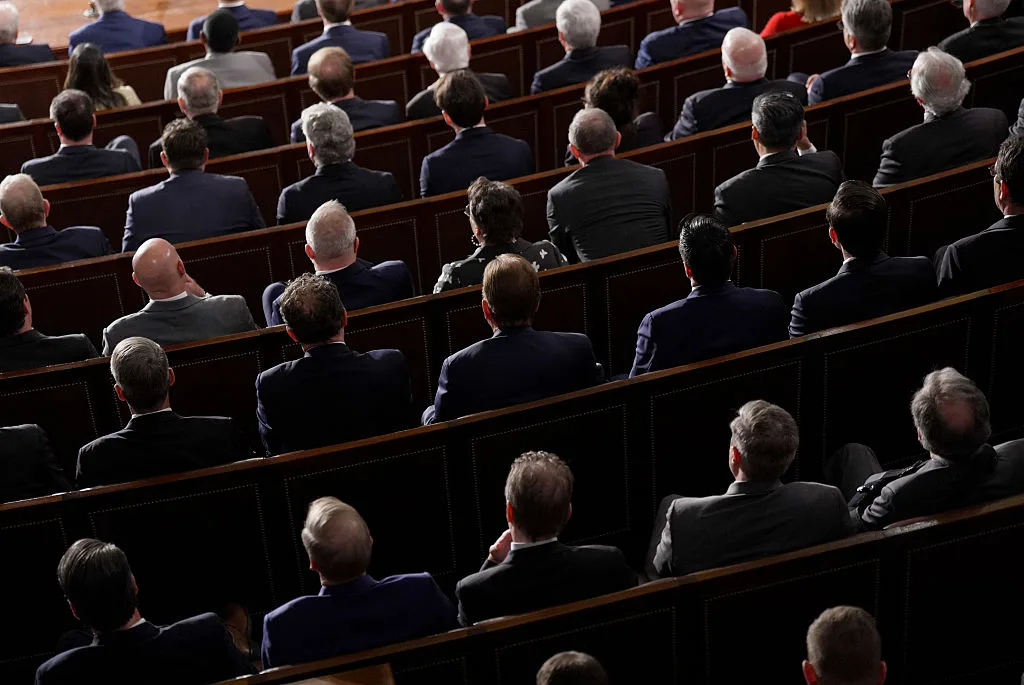
Lawmakers during a State of the Union address in the House Chamber of the U.S.
Capitol in Washington, D.C., on Feb.
24, 2026. —Al Drago—Bloomberg/Getty Images The 120th Congress is set to feature an unusually large number of new faces.
Ahead of the November elections, at least 83 incumbents across the U.S.
House and the Senate won’t be returning to their seats.
Even now, the 119th Congress already looks different from when it began in January 2025, after a handful of resignations as well as deaths.
But the expected turnover at the end of the term will be even higher.
The reasons vary: some members announced their retirement after decades of service, others have sought different offices.
More than usual have lost primaries.
According to Ballotpedia , as of July, the number of lawmakers not seeking reelection is the highest since 2000.
According to a TIME analysis, as of Aug.
13, at least 70 sitting House representatives—30 Democrats and 40 Republicans—are not returning for another term.
In the Senate, 13 incumbents also don’t plan to return next year, including one appointed this March, Sen.
Alan Armstrong, to replace the seat vacated by now-Secretary of Homeland Security Markwayne Mullin.
5News aggregated this summary from the outlet’s public feed. The full article, with all the context, is on time.com — the content belongs to TIME.