Trump Is Looking for Diesel in All the Wrong Places
This is an edition of The Atlantic Daily, a newsletter that guides you through the biggest stories of the day, helps you discover new ideas, and recommends the best in culture.
Sign up for it here.
Gasoline prices have been up all summer, as have jet-fuel prices, as have home-heating-oil prices—but nothing has jumped quite like diesel.
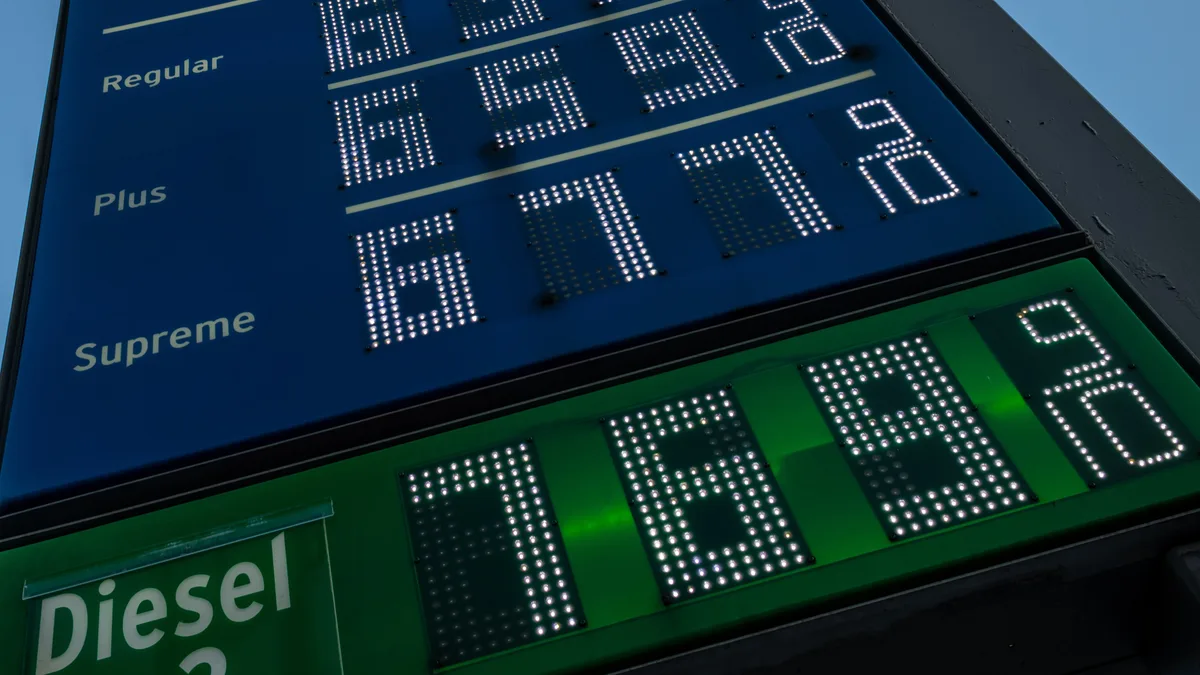
The average price for a gallon of diesel in the United States just hit an all-time high of $6.27, almost double what it was in late February.
It’s no secret that the Iran war is largely responsible for America’s energy woes.
So far, Donald Trump’s strategy has been to downplay these increases as temporary side effects (a “ little glitch ,” he said in March) and remind everyone that oil prices were higher under Joe Biden (which is true ).
Lately, though, the president has been telling us to look away from Iran and toward a different war.
Over the weekend, he called on Ukraine’s president to stop striking Russian oil refineries, which he said was “causing a shortage of diesel.” And yesterday morning, he announced a partial energy cease-fire between the two countries, claiming that the “World’s Diesel price rise is mostly caused by the Russia/Ukraine War, not Iran.” (Although both Ukraine and Russia have signaled that they’d be open to such an agreement, they continued attacking each other last night.) Focusing on Eastern Europe may be a convenient distraction tactic, but the reality is that this war is ultimately less important for U.S. diesel than the one that Trump is waging in the Middle East.
Diesel’s rally has to do with how it’s distilled.
Diesel, like gasoline, primarily comes from crude oil, which has been in short supply since the Strait of Hormuz was effectively shut down in February.
Middle Eastern crude, which is sludgy and sulphurous, is particularly conducive to producing diesel.
Making matters worse, many local refineries have been attacked or have preemptively gone offline , leaving the region less equipped to handle the crude that remains.
Yemen’s Houthis attacked a major Saudi facility last week as a prelude to a broader offensive .
The refinery problem is global .
5News aggregated this summary from the outlet’s public feed. The full article, with all the context, is on www.theatlantic.com — the content belongs to The Atlantic.