How does a debt collector find your employer?
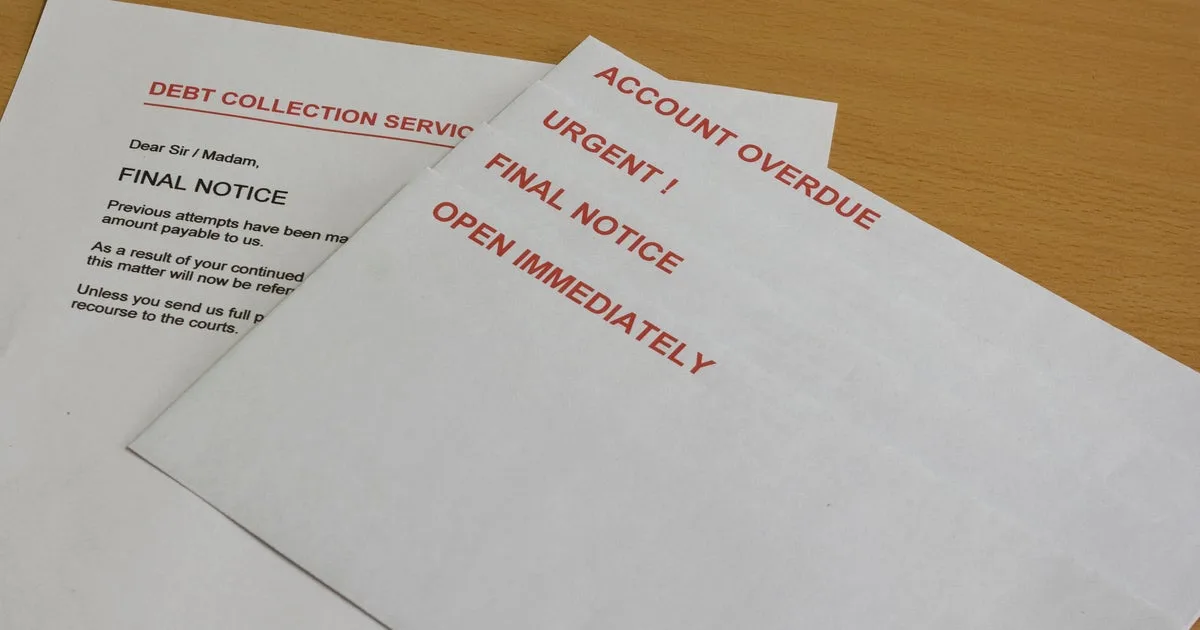
Carrying debt has become increasingly difficult to manage for a lot of borrowers over the last few years. Not only are average credit card rates hovering above 22%, but credit card balances also reached $1.26 trillion in the second quarter of 2026. What's further complicating the issue is that borrowers are also juggling those high-rate balances alongside higher costs for housing, food and other essentials. If today's issues lead to payments becoming completely unaffordable, though, an overdue balance can eventually turn into a collection problem.
And once a debt lands in collections, the stakes can change considerably for borrowers. What starts with phone calls and letters could eventually progress to a lawsuit and, in certain cases, consequences like wage garnishment . That prospect, which allows a debt collector to reach directly into a borrower's paycheck to recover what's owed, can be especially concerning for borrowers who have never told a collection agency where they work — yet discover that the debt collector has their employment information anyway.
So, how does a debt collector figure out who your employer is? There's more than one way that information can surface, so it's important for borrowers to understand how the process works.
A debt collector doesn't necessarily need to ask you directly where you work to determine who your employer is. Depending on the circumstances, there may be other avenues for obtaining or confirming your employment information.
For example, the debt collector may already have employment information associated with your account. When an account is transferred or sold for collection , records connected to the debt can also be transferred. If employment information was included in those records, the debt collector could potentially have access to it, although the information may be outdated if you've changed jobs.
Debt collectors may also obtain information through other legitimate sources available to them, such as public records or commercial databases. And if the debt collector doesn't have enough information to locate you, federal law generally permits certain limited contact with third parties for what is known as "location information." That can include your home address, telephone number and place of employment.
There are important restrictions placed on those conversations, though. For example, a debt collector contacting another person for location information generally cannot disclose that you owe a debt and typically cannot repeatedly contact that person unless an exception applies. So, a debt collector may be able to ask someone for information about where you work, but that doesn't give them free rein to tell that person you're behind on a credit card bill .
The rules also restrict direct collection communications at work. If a debt collector knows or has reason to know that your employer prohibits personal collection communications, it generally cannot contact you there.
5News aggregated this summary from the outlet’s public feed. The full article, with all the context, is on www.cbsnews.com — the content belongs to CBS News.