College sports and ‘amateurism’ become the new ‘professional’ as an NFL player fights to return to school
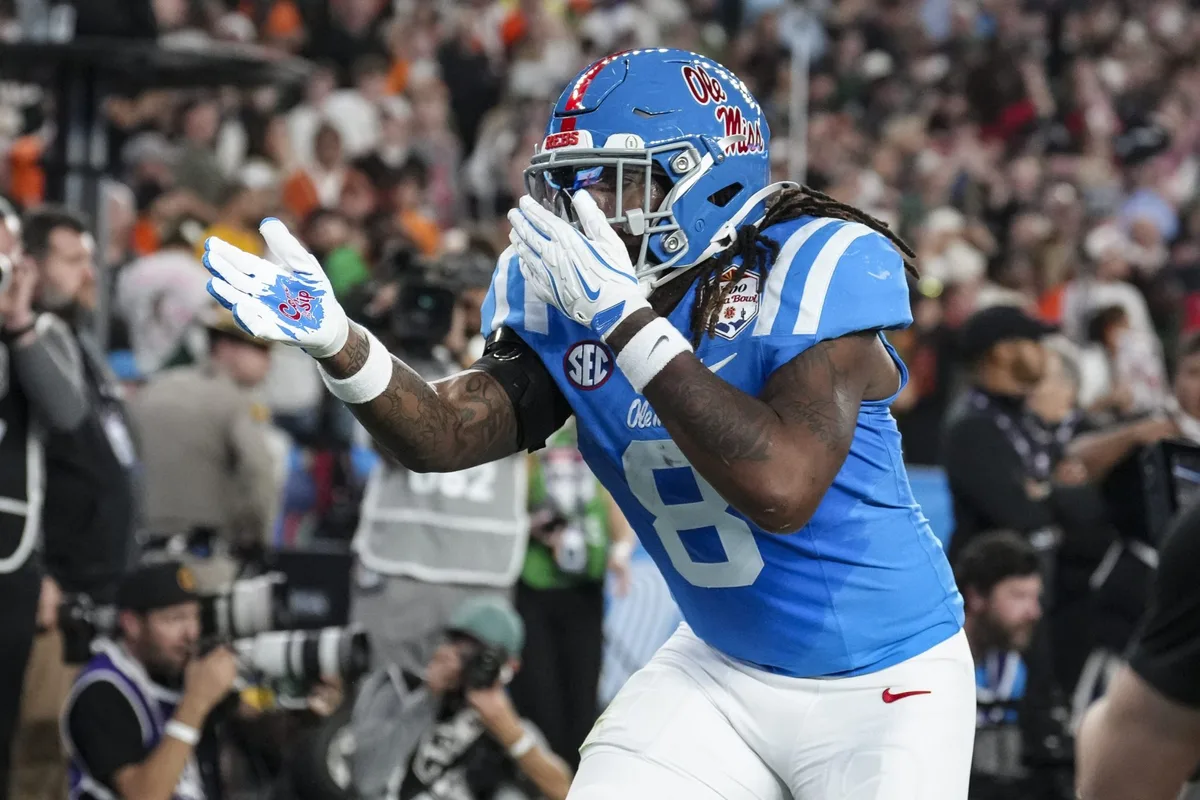
Dae’Quan Wright, the former Cleveland Browns tight end, may soon make history.
The former NFL player’s stint in pro football is coming to an end after being waived, but that may not be the last time he dons a football uniform, as he’s likely to return to college sports at LSU this year.
Wright, a former Ole Miss tight end who went undrafted in the 2026 NFL Draft, signed with the Philadelphia Eagles before joining the Cleveland Browns.
After receiving a temporary restraining order in a lawsuit challenging the NCAA’s eligibility rules, he entered the transfer portal and reached an agreement to return to college and reunite with his former coach Lane Kiffin.
The 22-year old’s aspiration to return to America’s favorite amateur sport signals just how big college football has become.
The move would have been difficult to imagine under the traditional conception of college sports.
Professional athletes have joked about it in the past, with even all-time NBA great LeBron James teasing at a potential college sports journey post-retirement—albeit as more of a joke than an actual plan.
But the legal and financial changes that have transformed college athletics in recent years have made the distinction between “amateur” and “professional” increasingly difficult to maintain.
The NCAA is now fighting to preserve that distinction even as college athletes receive unprecedented compensation—and Wright’s case has become a spark in exposing the difference.
Since Wright’s arrangement with LSU became public, the fight over his eligibility has escalated quickly.
The SEC, Big Ten, and other major conferences adopted rules this week banning athletes who signed professional contracts from returning to college rosters, a policy aimed squarely at players like Wright.
A Dallas judge has since blocked the SEC from enforcing that ban against a group of athletes that includes Wright, though the NCAA has won reversals of similar restraining orders in other cases in the same week.
The legal fight remains unresolved.
“Courts across the country granting relief to ineligible athletes who already had every opportunity to compete in college—sometimes without even having a hearing—are failing to appreciate the destabilizing effect their rulings are having on college sports,” the NCAA told Fortune in a statement.
5News aggregated this summary from the outlet’s public feed. The full article, with all the context, is on fortune.com — the content belongs to Fortune.