Warsh signals steady Fed outlook despite inflation jump
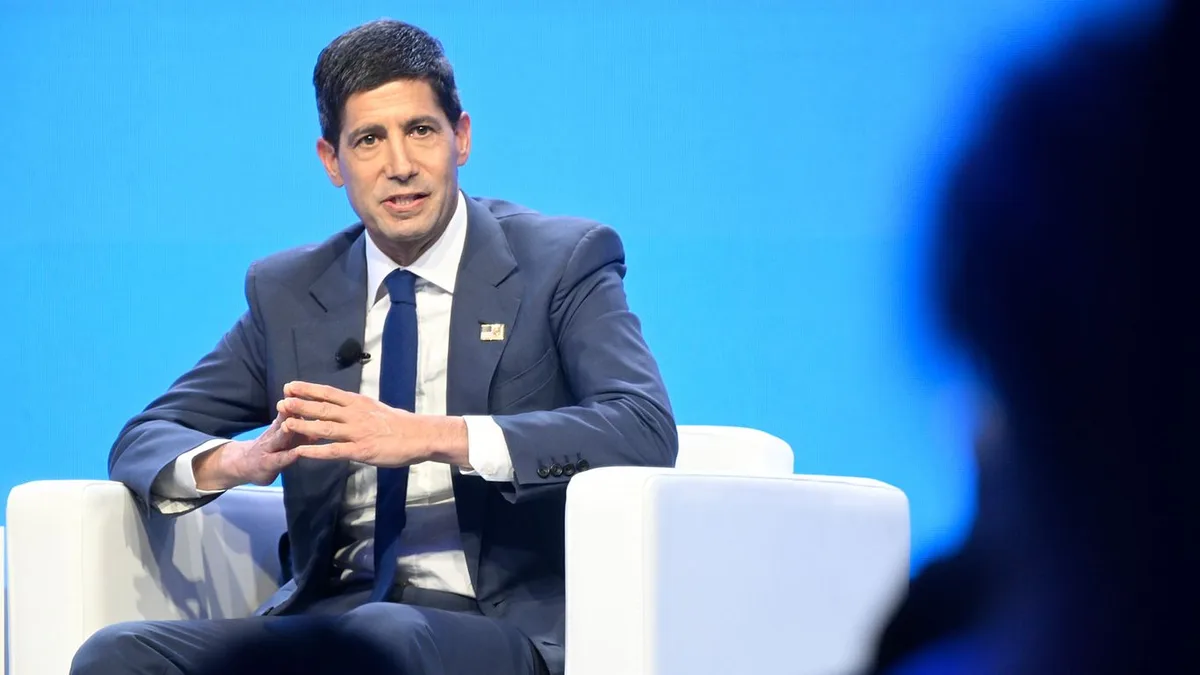
Federal Reserve chairman Kevin Warsh said Friday that the economy has largely performed as expected since September's rate hike, hinting that little has changed in the central bank's outlook.
Why it matters: The Fed is weighing another interest rate increase later this month as inflation heats up and the economy remains strong.
What they're saying: "Over the month or so that's transpired since then, the world has broadly conformed to our expectations," Warsh said at the IMF and World Bank annual meetings in Bangkok, referring to the Fed's September meeting.
Warsh, interviewed by IMF managing director Kristalina Georgieva, offered no explicit signal about October: "I don't prejudge meetings.
I don't believe in saying now what I might do at the meetings that we have in the balance of this year." His remarks come just before the Fed's standard pre-meeting blackout period ahead of the Oct.
27-28 policy meeting.
"It's hard to be in a discussion with central bankers and not compare notes and hear the same thing about the surge in prices," he said, alluding to conversations with international counterparts in Bangkok.
State of play: The Fed raised rates last month for the first time since 2023 to contain inflation fueled by the Iran war.
Minutes showed most officials expected another hike this year, though the timing remained unclear.
Vice chair Philip Jefferson, New York Fed president John Williams and governor Christopher Waller have signaled that the Fed could hold off in October, with Waller noting that rate hikes need not come at consecutive meetings.
Friction point: Fresh data this week showed inflation accelerated in September, with signs of price pressures extending beyond energy into services.
Odds of an October hike jumped to 50% from 22% after Wednesday's hotter-than-expected inflation report, before retreating to 28% Thursday afternoon, per CME FedWatch.
Between the lines: Warsh acknowledged that AI is boosting spending before its longer-term productivity benefits materialize, while investment beyond AI is also strengthening the economy.
Warsh said AI was contributing to a "massive investment surge" in the U.S., calling the investment boom "probably the most important thing that's happening in the global economy on the upside." Warsh said AI could ultimately make economies more productive and generate greater wealth.
5News aggregated this summary from the outlet’s public feed. The full article, with all the context, is on www.axios.com — the content belongs to Axios.