How Obamacare changed healthcare
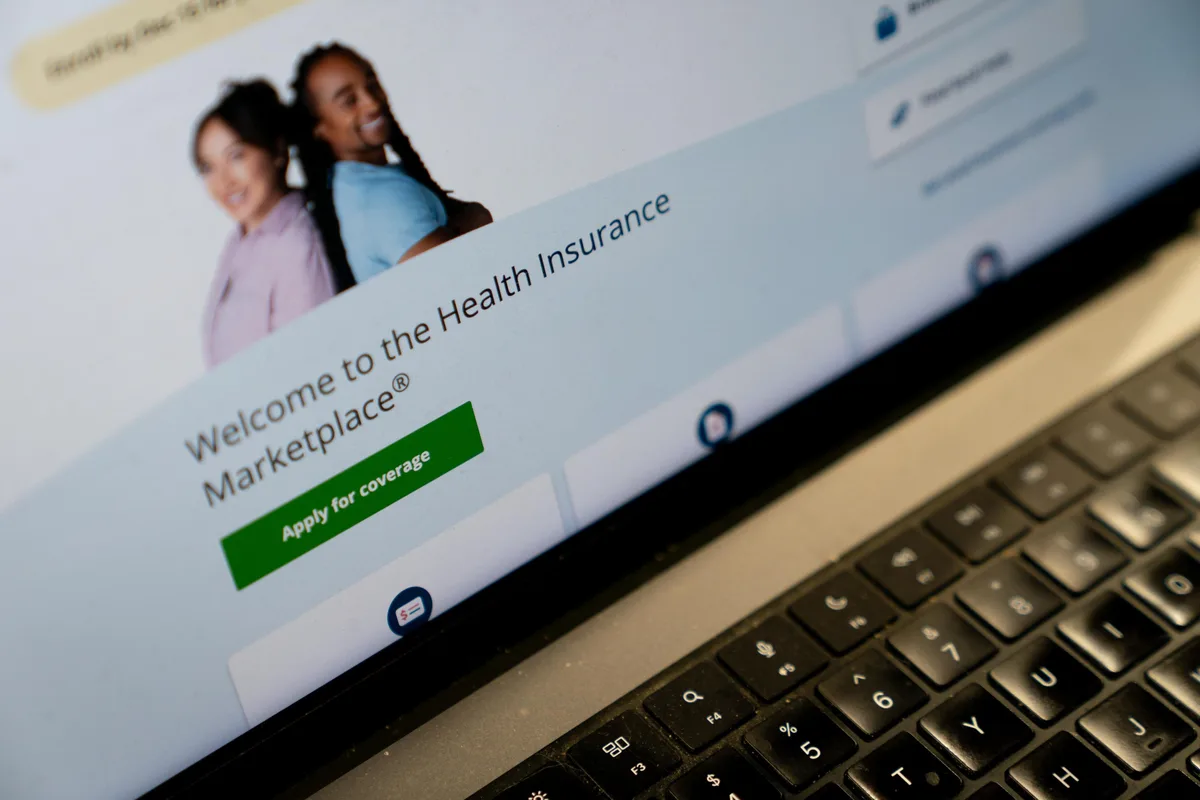
“The big question is: What is going to be put forward as an alternative and how palatable will that be to consumers, lawmakers, the healthcare industry?” KFF Health News senior correspondent Julie Appleby tells Vox’s Today, Explained. | Stefani Reynolds/Bloomberg via Getty Images Health insurance enrollment through the Affordable Care Act is plummeting.
Nearly 3 million fewer Americans now have insurance through the program, popularly known as Obamacare, compared to last year, according to federal data released in June.
After congressional Republicans allowed enhanced subsidies for the program to expire in January, many Americans saw their health insurance premiums spike by an average of about 30 percent .
As a result, many Americans have been forced to drop their coverage entirely.
With affordability among the top concerns on voters’ minds heading into the midterms, healthcare costs have become a central issue for candidates.
“A lot of policy experts say, look, when you raise the price of something, demand goes down.
And that’s what’s happening here,” KFF Health News senior correspondent Julie Appleby told Today, Explained .
“It’s the prices — people are dropping out.” Appleby has been reporting on healthcare policy for decades, and she joined Today, Explained co-host Noel King to break down the latest changes to the Affordable Care Act, why enrollment is plummeting, and how the ACA crisis is teeing up healthcare as a central issue in the upcoming midterms.
Below is an excerpt of their conversation, edited for length and clarity.
There’s much more in the full podcast, so listen to Today, Explained wherever you get podcasts, including Apple Podcasts , Pandora , and Spotify .
Sixteen years ago, President Obama signed the Affordable Care Act into law.
Julie, what was the situation at the time that made it feel so necessary? What did the Affordable Care Act aim to do? There was a lot going on.
We had a lot of people who were uninsured.
We had premiums going up.
5News aggregated this summary from the outlet’s public feed. The full article, with all the context, is on www.vox.com — the content belongs to Vox.