Saturday, October 10, 2026 SourcesAbout🌓
🇺🇸 US ▾
BREAKING
› Dominion still has pending lawsuits against election deniers such as Rudy Giuliani and Sidney Powell› Russia is 'going backwards' in equipment and deploying post WWII-era tanks, according to Western officials› Podcast: One country musician is calling for other artists to oppose assault rifles› Bidets save you money and reduce waste — we tested the best options out there› 50+ products to make your life easier and our planet cleaner› Mother's Day is around the corner. Here are 50+ thoughtful gifts she'll love› A head-to-toe guide of how men should dress this spring, and where they should shop› 42 of the most useful travel products you can buy on Amazon› The 7 best high-yield savings accounts of April 2023› Taxes are due tomorrow. Here's how to file for an extension› Dominion still has pending lawsuits against election deniers such as Rudy Giuliani and Sidney Powell› Russia is 'going backwards' in equipment and deploying post WWII-era tanks, according to Western officials› Podcast: One country musician is calling for other artists to oppose assault rifles› Bidets save you money and reduce waste — we tested the best options out there› 50+ products to make your life easier and our planet cleaner› Mother's Day is around the corner. Here are 50+ thoughtful gifts she'll love› A head-to-toe guide of how men should dress this spring, and where they should shop› 42 of the most useful travel products you can buy on Amazon› The 7 best high-yield savings accounts of April 2023› Taxes are due tomorrow. Here's how to file for an extension
U.S. News

The ‘war on terror’ weakened the first amendment. Now we desperately need it | Jameel Jaffer
The Guardian US ·
The ‘war on terror’ weakened the first amendment. Now we desperately need it | Jameel Jaffer

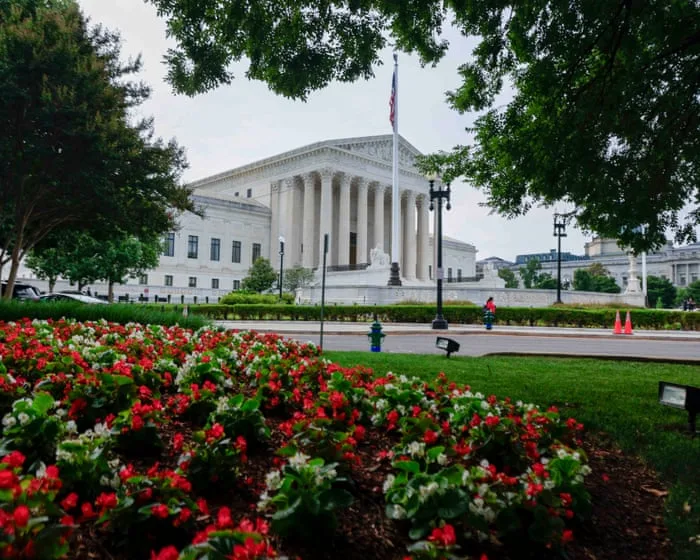
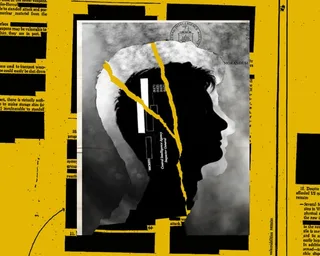
Over the past quarter-century, the US supreme court has repeatedly failed to protect first amendment rights.

We are suffering the consequences Congress ratified the first amendment in 1791 but the supreme court didn’t breathe life into it until after the first world war, when prosecutions of antiwar protesters led the justices Oliver Wendell Holmes and Louis Brandeis – and then, fortunately, other justices as well – to realize that US democracy would be undermined, not strengthened, by allowing the government to suppress disfavored political opinions.

Repression during the cold war led the court to better protect the freedom of association, and government efforts to cover up official ineptitude and criminality during the Vietnam war spurred the court to better protect the freedom of the press.

It took time, but in each of these instances the court responded to wartime repression by developing new legal doctrine that more robustly protected first amendment freedoms.

Continue reading...

Read the full article on The Guardian US ›

5News aggregated this summary from the outlet’s public feed. The full article, with all the context, is on www.theguardian.com — the content belongs to The Guardian US.
More from The Guardian US

See all ›

More in U.S. News

See all ›