Nighttime Light Exposure Is Linked to Heart Changes
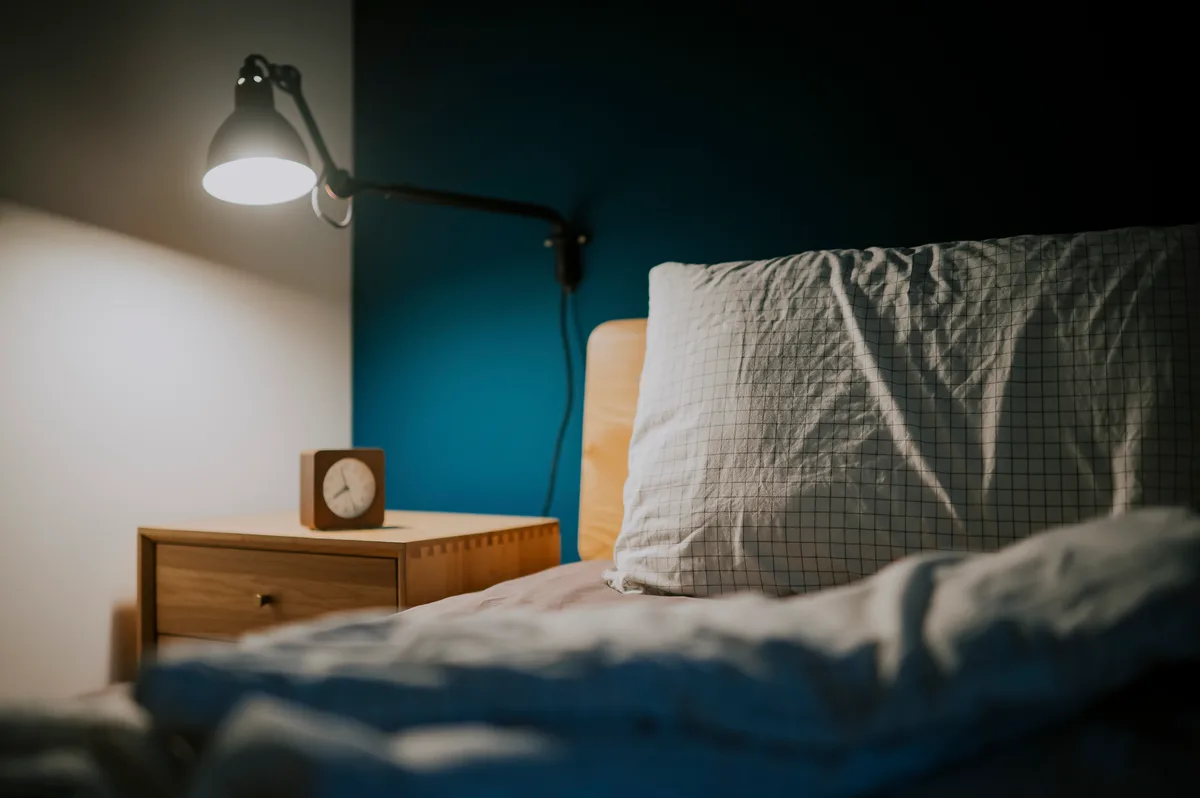
—Edwin Tan—Getty Images For most of human history, night has been dark.
Very, very dark—no hall light on, no streetlights streaming through the windows, no TV casting ambient light in the next room.
Now, however, it’s rare to find yourself in total darkness.
Recent research has found that might be a problem.
Light exposure at night has been linked to higher rates of diabetes, obesity, and hypertension.
Last year, researchers connected it to higher rates of heart failure and other cardiovascular problems over 10 years.
Publishing in the European Heart Journal on September 9, another research team now reports that compared to people sleeping in darkness, people exposed to light at night tend to have structural changes in their hearts.
The changes indicate that the organ is working harder than usual, the researchers say, providing further support for the idea that nighttime light exposure is connected to worse cardiovascular outcomes.
How does light at night affect health? This study drew on data from fitness monitors that were worn for a week by a subset of participants in the UK Biobank, which collects health and lifestyle information on half a million people.
The monitors contain a light sensor, which allows for an objective measurement of light exposure, says Dr.
Lu Qi, a professor of epidemiology at Tulane University and an author of the new study.
“That's very unique, because most previous studies have used self-reported light exposure,” he says.
The other unique feature of the study involved cardiac MRIs that were taken of peoples’ hearts after they had worn the fitness monitors but before they developed any diagnosable heart problems.
After sorting the participants into those with minimal light exposure at night, and those who routinely slept with at least 3 lux of light streaming over them (the equivalent of roughly three candles held three feet away), the researchers examined these scans for structural and functional changes, like the thickness of the heart’s walls and the movement of the valves that keep blood pumping.
5News aggregated this summary from the outlet’s public feed. The full article, with all the context, is on time.com — the content belongs to TIME.