How Kevin Warsh’s rate hike exposed a 2-speed U.S. economy, with AI and housing at the poles
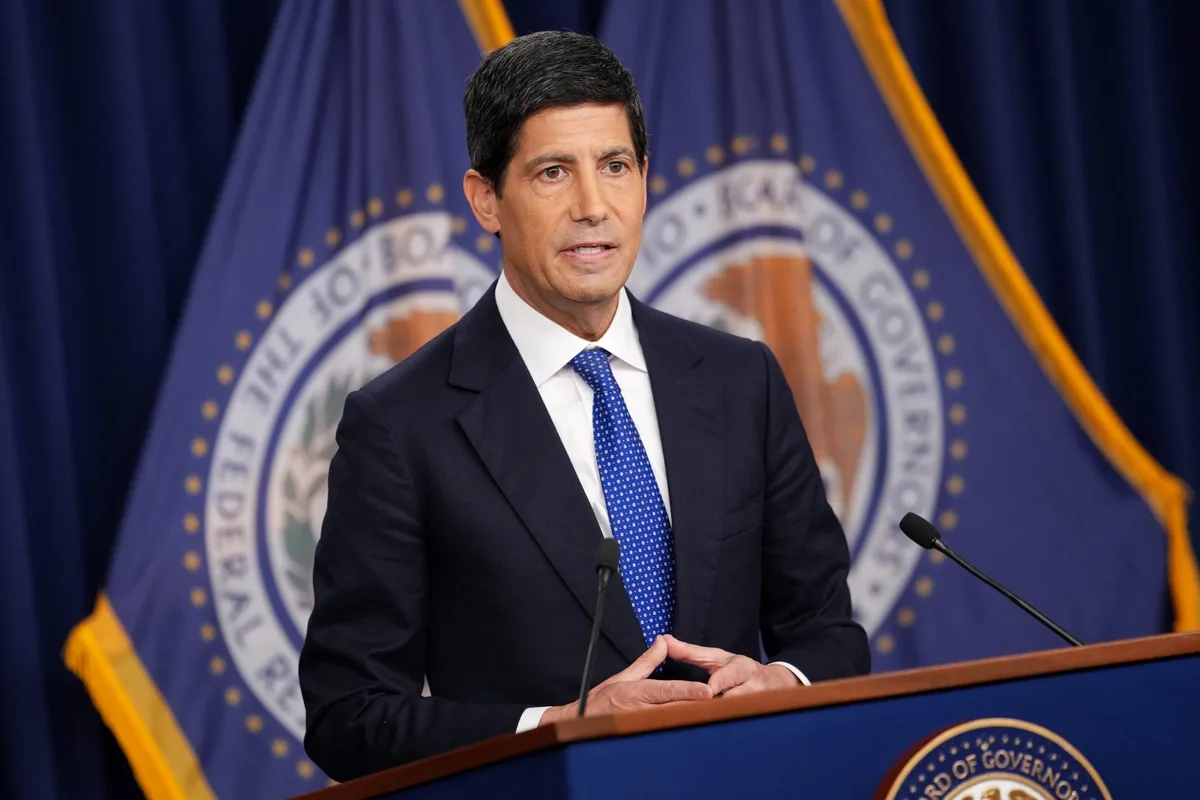
From mortgages to auto loans to credit cards, borrowing is set to get even pricier.
But the Federal Reserve’s decision on Sept.
16, 2026, to hike its baseline interest rate also highlighted an increasingly confounding dilemma: It can raise the price of money across the economy, but it can’t determine which sectors are most affected.
That means the rate increase may further slow the weaker parts of the economy, such as housing , while barely affecting the strongest, namely the relentless investment in artificial intelligence.
In its statement summarizing its unanimous vote , the Fed’s policymaking committee said it was raising its benchmark rate by a quarter percentage point so that it now stands at a new target range of 3.75% to 4%.
It described inflation as still “elevated” and noted that other economic indicators remain strong, from productivity to investment, to domestic spending.
As a scholar of public finance , I believe the Fed probably had little choice but to raise rates given its commitment to maintain inflation-fighting credibility.
Markets had already expected the hike, and if the Fed had failed to deliver, it might have pushed longer-term interest rates even higher amid concerns it was becoming less wedded to that target.
But the Fed’s action also underscores that the U.S. increasingly looks like an economy moving at two very different speeds.
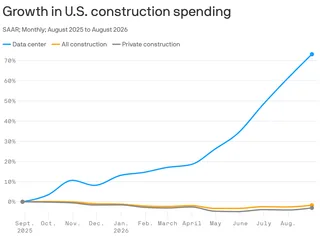
Investment in AI – whether through data centers, computing capacity or related infrastructure – has been booming, while it’s crowding out other kinds of investment.
Meanwhile, the housing market is getting crushed by high mortgage rates and diminishing affordability, while consumers are carrying ever more expensive credit card and auto debt .
Many small and traditional businesses are also in a bind as they face substantially higher financing costs than they did several years ago.
Those costs reflect the rising yields on longer-term U.S. government debt, which have been going up for months on a mix of factors : Longer-term inflation concerns due to soaring U.S. government debt, geopolitical risks driving up energy costs, and ongoing financing demand for AI.
On Sept.
5News aggregated this summary from the outlet’s public feed. The full article, with all the context, is on fortune.com — the content belongs to Fortune.