Can debt collectors garnish your unemployment benefits?
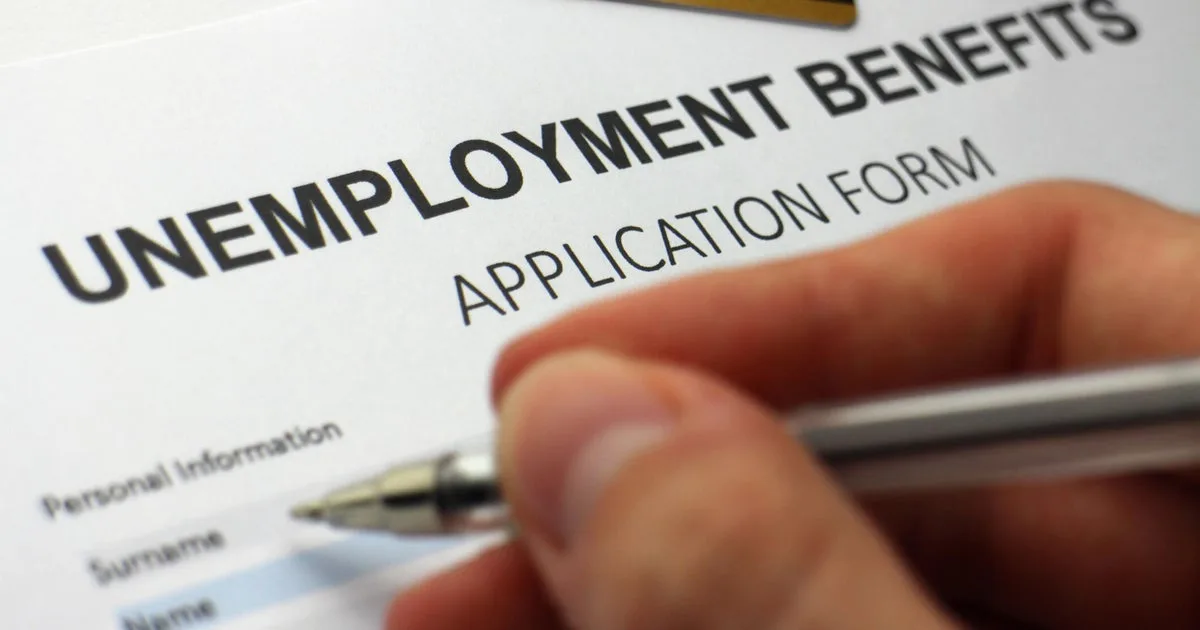
The loss of a paycheck can turn routine debt payments into an immediate financial problem. And, that concern is particularly relevant to borrowers right now, as the U.S. labor market shows signs of weakening. Employers cut 23,000 jobs last month , while the unemployment rate held at 4.1%. For those who suddenly find themselves without a job, the unemployment benefits they're entitled to can quickly become an essential source of income while they look for their next opportunity.
Keeping up with existing debt can become difficult, though, for those relying on unemployment benefits after a layoff. Unemployment benefits rarely offer as much income as a regular paycheck would, and, in turn, a credit card payment , personal loan or medical bill that was manageable with a steady paycheck may be much harder to cover due to the sudden income drop. Should those accounts become seriously delinquent, they could eventually be sent to collections or result in a lawsuit.
But if a debt collector takes you to court and wins after you lose your job, can it result in garnishment of your unemployment benefits when you're relying on them for necessities? Here's how things could play out.
In many cases, ordinary private debt collectors can't directly garnish your unemployment benefits, but the exact protections depend heavily on state law and the circumstances involved.
Generally, a private debt collector seeking to garnish income or seize money must first sue you and obtain a court judgment. Federal and state laws then determine what income and assets are exempt from collection. These exemptions can protect certain wages, benefits and money held in bank accounts from creditors.
Unemployment compensation is primarily administered under state law, so protections can differ considerably depending on where you live. Some states broadly protect unemployment benefits from creditors, while others may have different exemptions or procedures borrowers need to follow to assert those protections.
The money may be treated differently once it's in your bank account. Even if unemployment benefits themselves are protected under your state's laws, disputes can become more complicated after the payments are deposited into an account containing money from other sources . That's because the federal rule requiring banks to automatically protect two months of certain directly deposited federal benefits applies to benefits such as Social Security and veterans benefits — not ordinary state unemployment compensation. Depending on state law, you may need to claim an exemption or show where the protected funds came from instead.
Government debts can follow different rules. The protections that apply when a private credit card company or collection agency is trying to collect don't necessarily apply when you owe certain government-related debts . For example, federal law provides for states to recover certain unemployment benefit overpayments by deducting money from future unemployment benefits, subject to applicable procedures.
Child support is another major exception.
5News aggregated this summary from the outlet’s public feed. The full article, with all the context, is on www.cbsnews.com — the content belongs to CBS News.