How the Right Could Actually End Birthright Citizenship
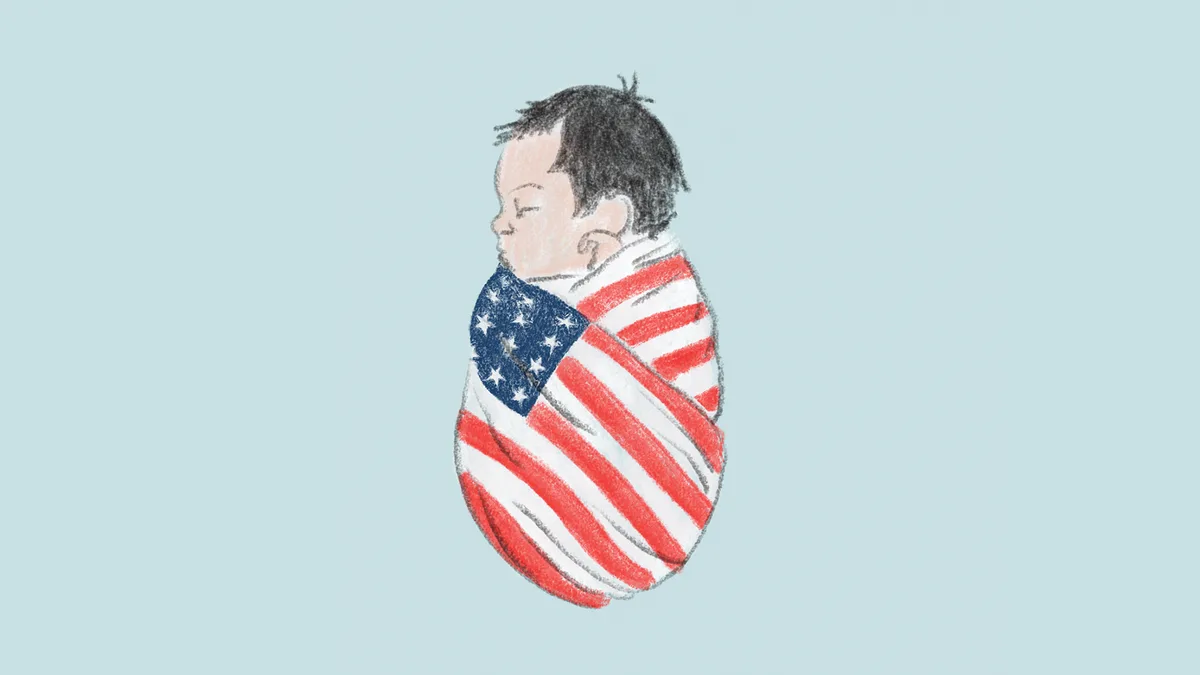
Early last year, a woman named Liza and her husband were busy preparing for the birth of their child.
On top of the normal stresses of pregnancy, they faced another, less typical concern: that their baby would be stateless.
The couple had left Russia for the United States.
Liza is legally in the U.S. on a temporary status, and her husband is seeking asylum.
They could in theory have applied for Russian citizenship for the baby at the consulate, though Liza told me that would have been risky, in light of her husband’s asylum application.
Before January 20, 2025, this would not have been a concern: Although Liza and her husband are Russian citizens, their baby, born on American soil, would have automatically received U.S. citizenship under the Fourteenth Amendment of the Constitution.
But an executive order signed by Donald Trump on the day of his second inauguration had called that guarantee into question.
After February 19, according to the order, only children with at least one biological parent who was either a U.S. citizen or a green-card holder could be legally considered American.
That would have left Liza’s baby without U.S. citizenship—or citizenship anywhere at all.
Liza, who asked that I withhold her last name out of concern for her family’s safety, worried that her child would be entirely without legal protection if she and her husband were deported.
“I was really, really anxious,” she said.
“I was even blaming myself, like, Why didn’t I have the baby sooner? ” On January 21, Liza and four other expectant mothers joined a lawsuit against the order—one of several challenges to Trump’s decree. (The plaintiffs sued using pseudonyms or only their first names, to protect their identities.) Within days, federal courts blocked the policy from going into effect. [ Quinta Jurecic: Trump’s absurd citizenship arguments went nowhere ] At the end of June, a year and a half after Trump issued the order, the Supreme Court ruled in Trump v.
Barbara that the policy violated the Fourteenth Amendment .
Civil-liberties groups and immigration advocates cheered the ruling.
5News aggregated this summary from the outlet’s public feed. The full article, with all the context, is on www.theatlantic.com — the content belongs to The Atlantic.