Fulfilling earlier US-China agreements is a work in progress as Trump and Xi meet again
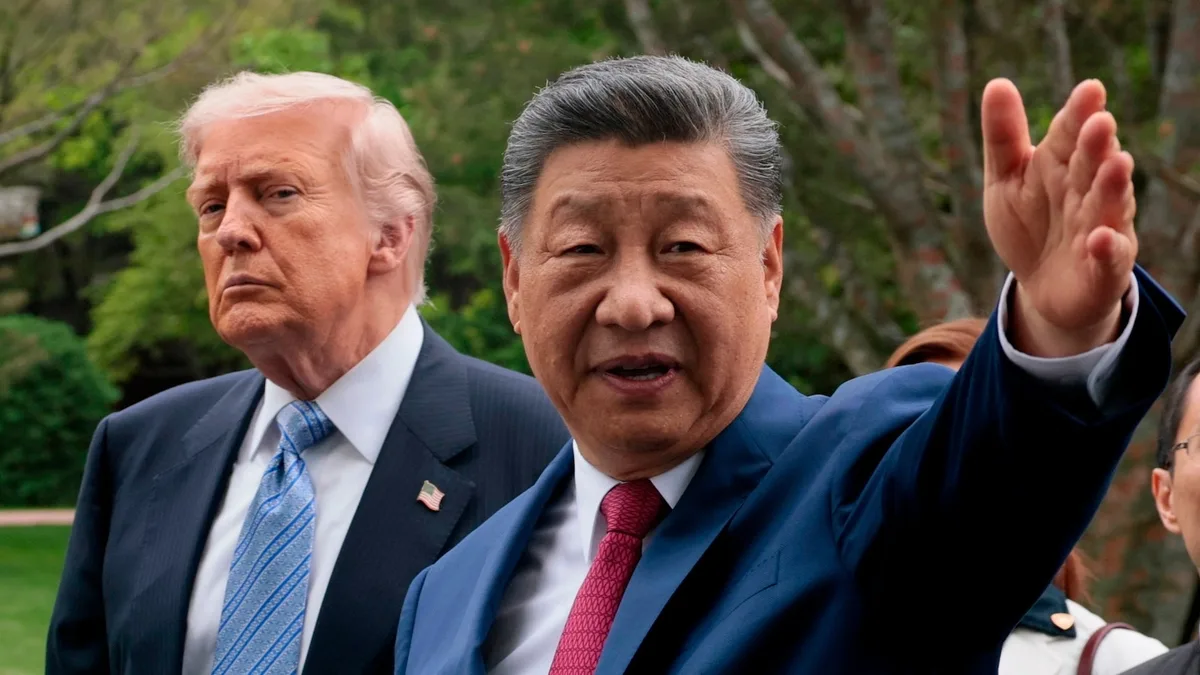
The U.S. and China have made uneven progress on trade commitments since their leaders met in May
BEIJING -- The U.S. and China have made uneven progress in fulfilling the trade commitments announced after their two leaders met in Beijing in May.
As U.S. President Donald Trump and Chinese leader Xi Jinping sit down in Washington this week, the question is whether their second face-to-face meeting this year can jolt their governments into moving forward on issues ranging from exports of beef and Boeing aircraft to artificial intelligence.
Modest progress is likely, but analysts don't expect any major breakthroughs from Xi's visit, which begins Wednesday.
“Instead, the main deliverable really is that the trip is happening, and the symbolism and the optics of that,” said Sara Schuman, the former senior U.S. negotiator for China trade and an adjunct fellow with the Washington-based Center for a New American Security.
The two countries agreed in May on a framework of “constructive strategic stability,” under which they would seek to prevent disagreements from escalating. One hope is to find areas of cooperation, even if fundamental differences remain.
Much of the speculation about this week's meeting has been on the possible launch of a Board of Trade, together with reciprocal tariff reductions on $30 billion of goods in each direction. Both steps were agreed to in May.
A Chinese Commerce Ministry spokesperson said earlier this month that the two sides hope to implement the tariff reductions “at an early date.” Analysts expect an announcement, though some think it will fall short of $30 billion.
About 10 product categories are under discussion, but there are disagreements over the scope of the initiative, experts at the World Economic Forum wrote last week.
The tariff cuts would be limited to nonsensitive items. Analysts said that could include toys, holiday decorations and other low-end factory products from China. For American farmers, Chinese tariffs could be lowered on agricultural exports to China.
“I think for the president, he wants to be able to demonstrate, just before the midterms, that this approach is working and that it benefits voters,” Schuman said, referring to U.S. congressional elections in November.
The White House said in May that China had agreed to buy at least $17 billion annually in American agricultural products, on top of an earlier pledge to buy 25 million metric tons of soybeans a year.
That would bring China's total yearly farm purchases from the U.S. to about $30 billion, according to Luke Lindberg, the U.S. undersecretary of agriculture for trade.
It's unclear if that level will be reached. The U.S. Department of Agriculture forecast last month that China would import $21.5 billion of American farm goods in the 12-month period starting Oct. 1.
5News aggregated this summary from the outlet’s public feed. The full article, with all the context, is on abcnews.go.com — the content belongs to ABC News Technology.